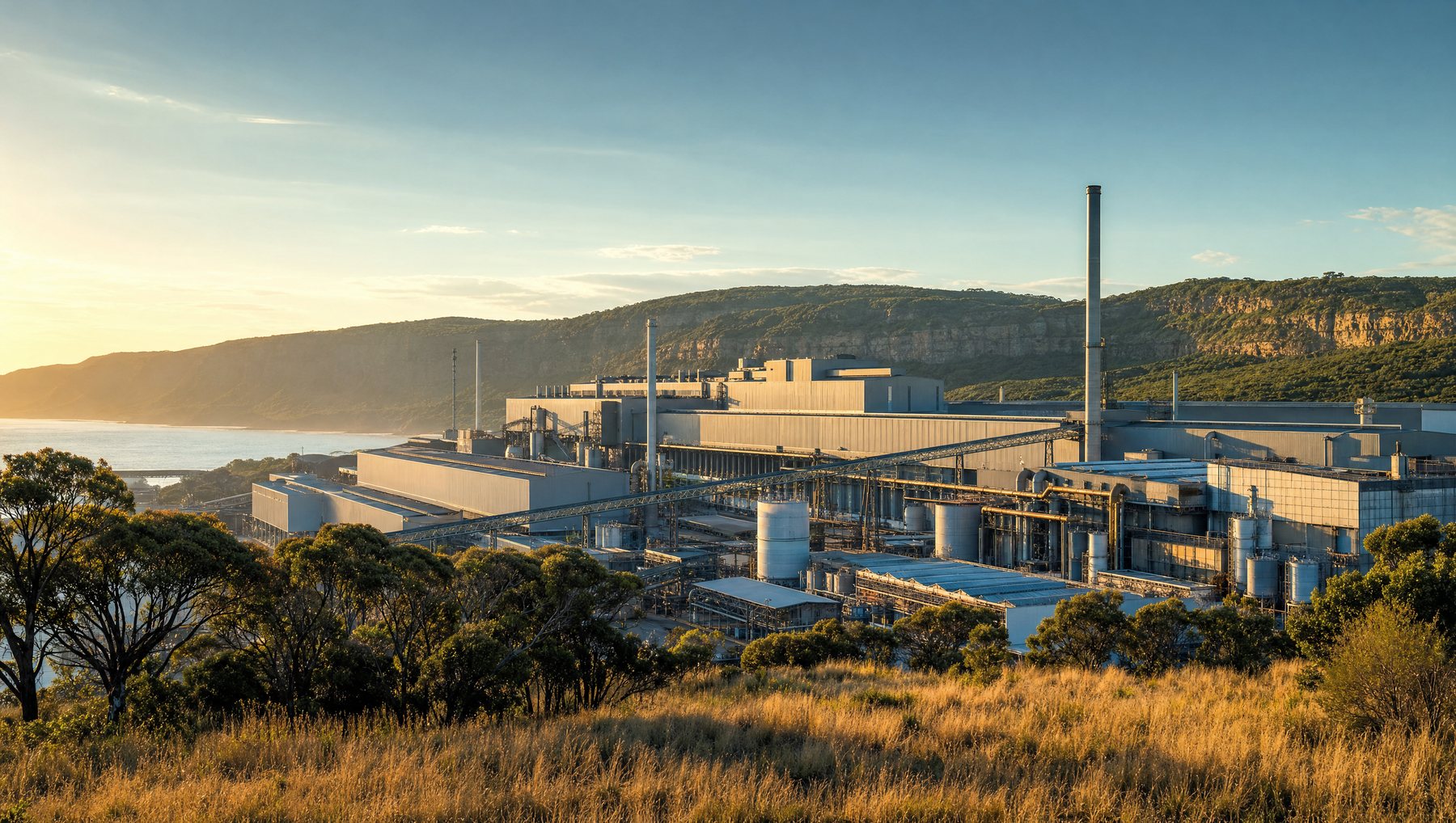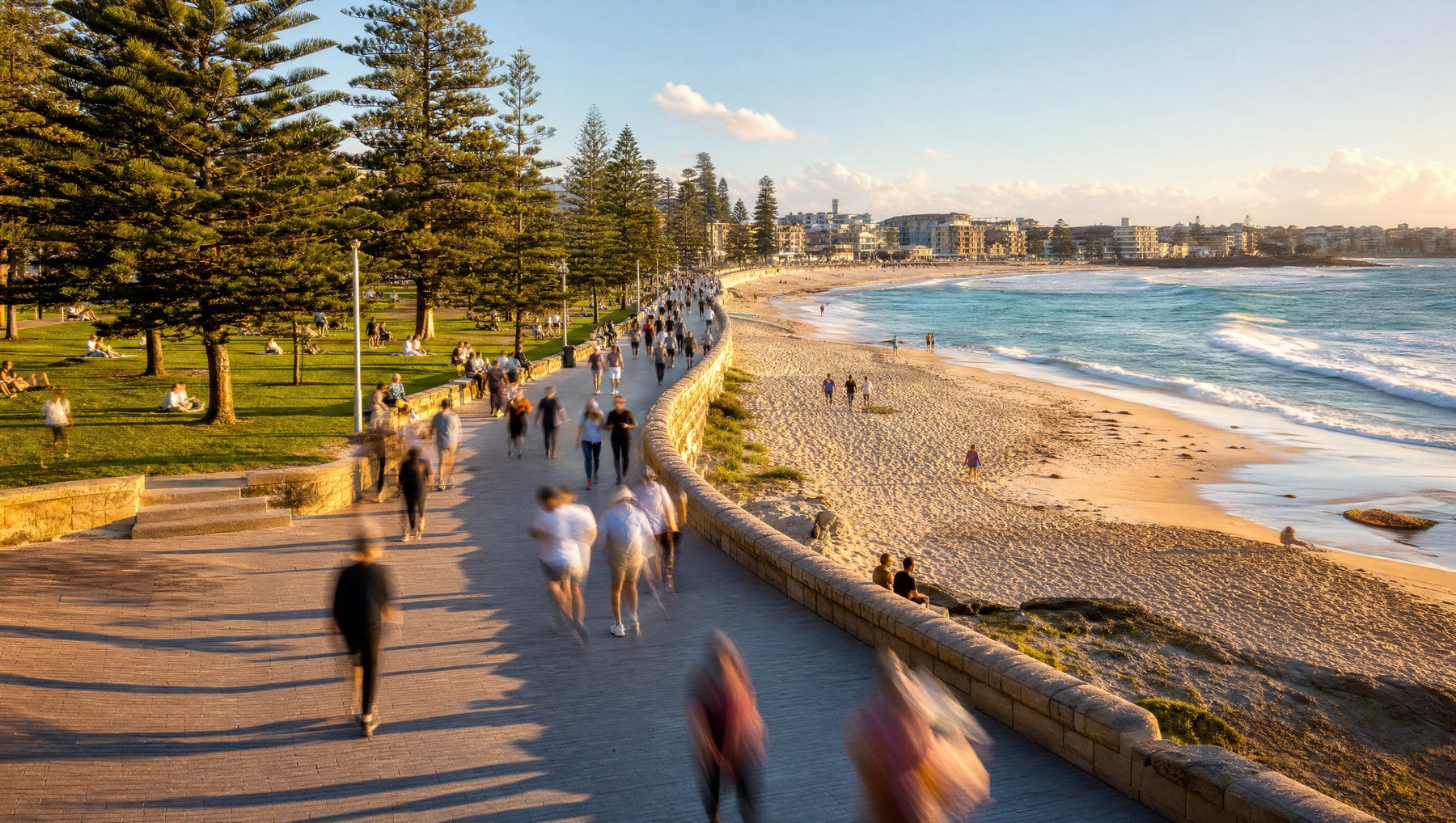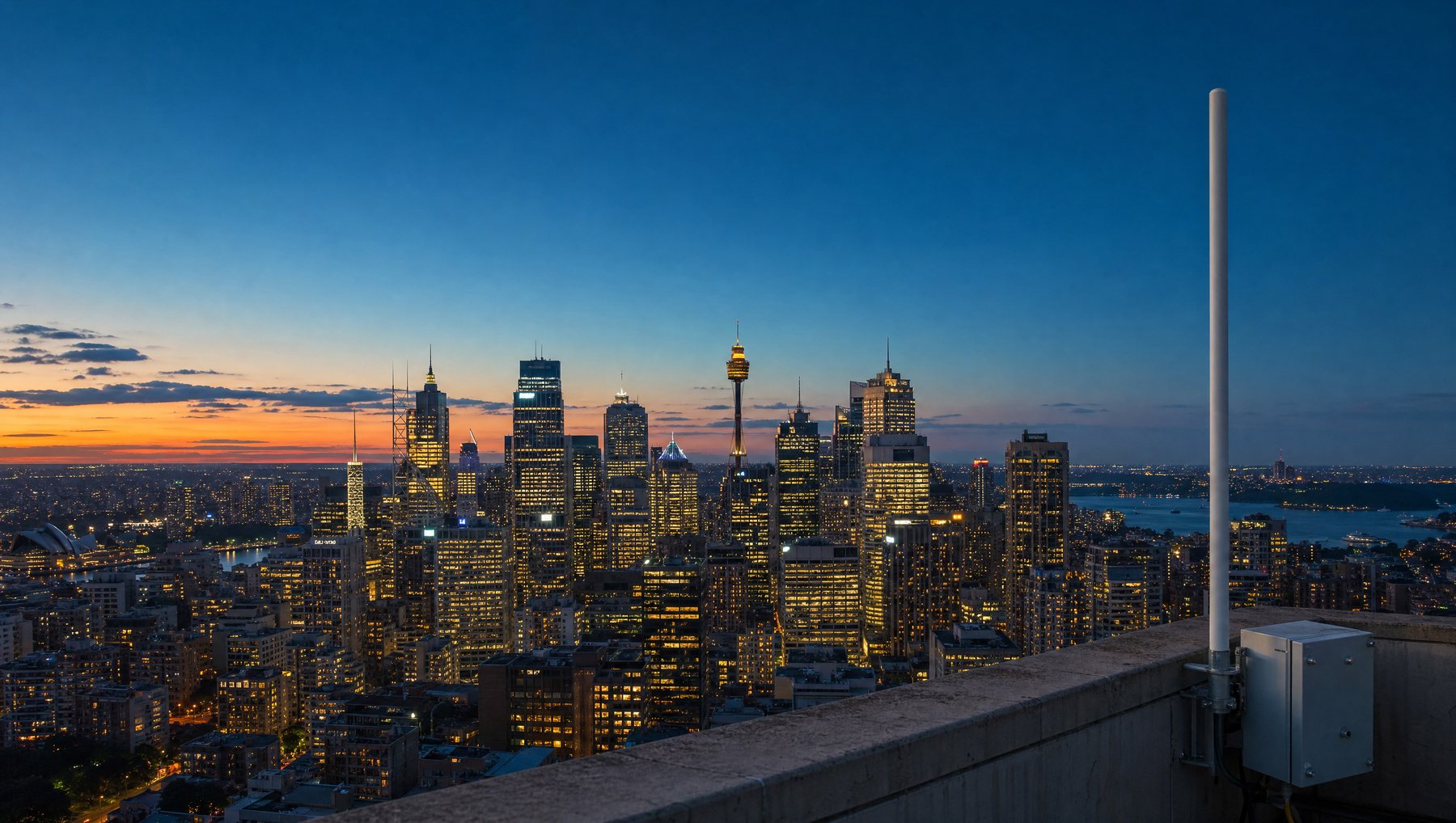
Wollongong is where the model started. The approach that Meshed later repeated in Sydney, Brisbane and elsewhere was worked out here first, and the sequence is worth following because the second step is the unusual one.
The first gateway
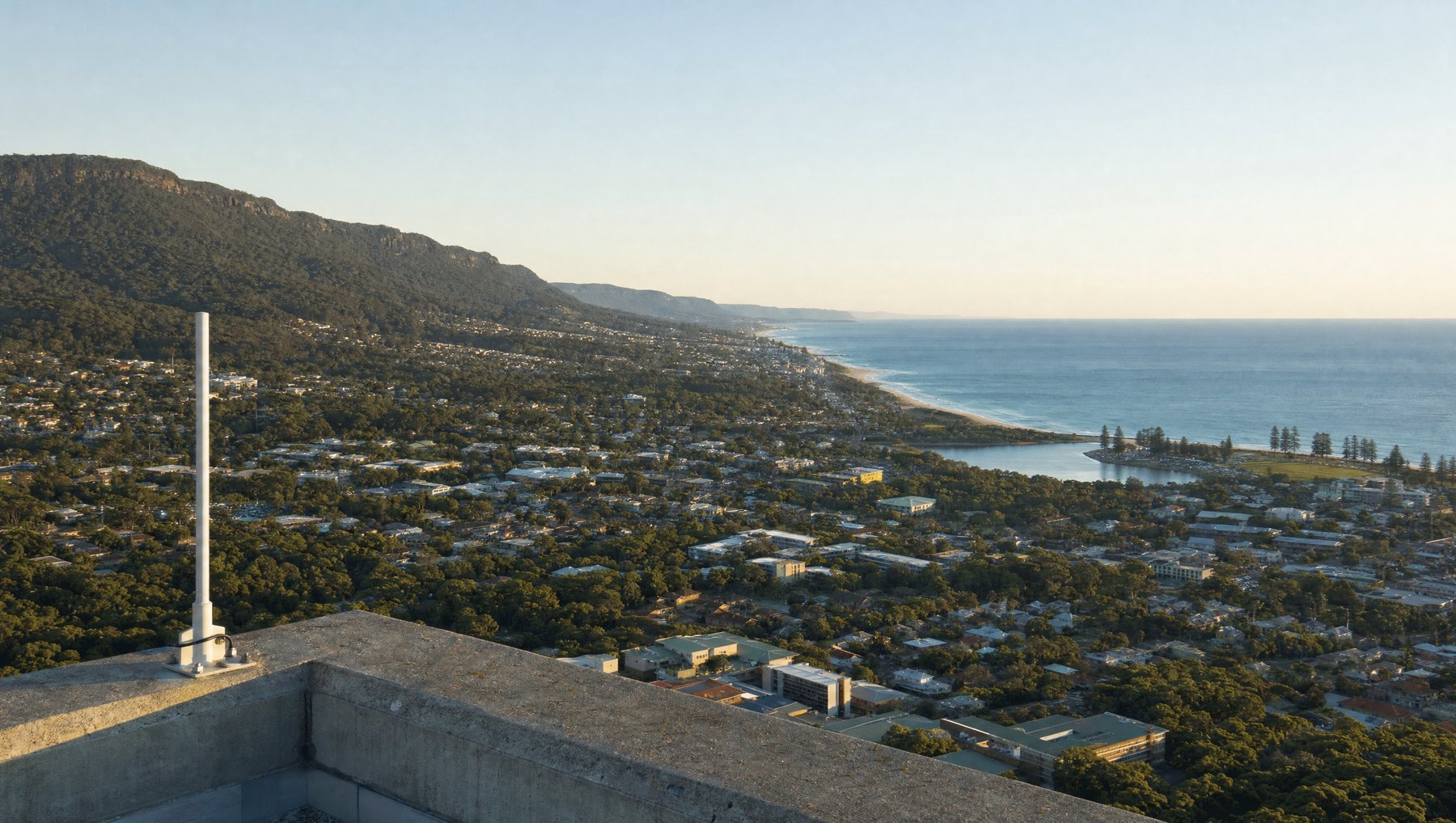
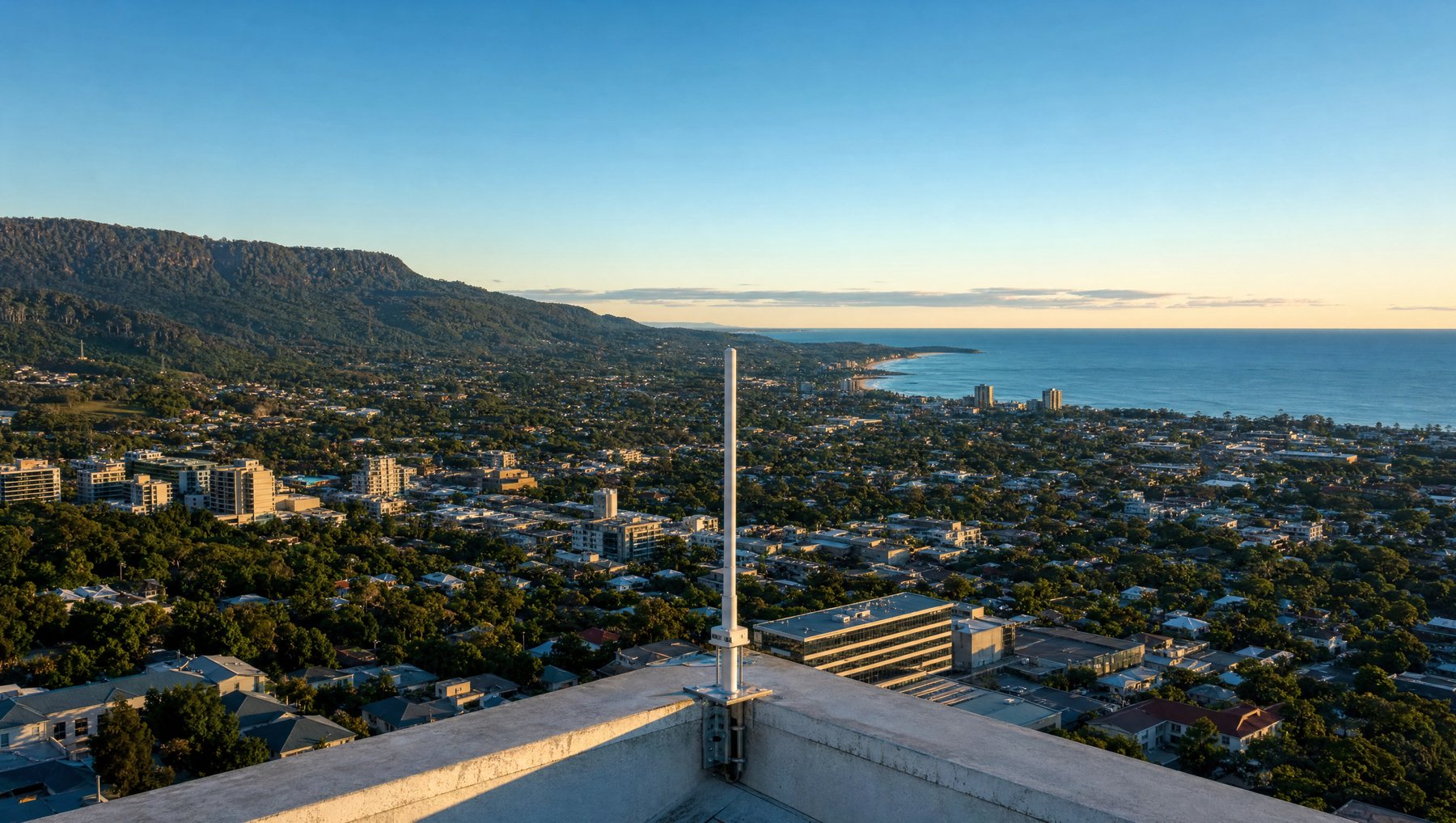
Meshed launched the network with foundation partners the SMART Infrastructure Facility and the Sustainable Buildings Research Centre, with the first gateway installed atop the SBRC building at the university's Innovation Campus.
According to Andrew Maggio, Meshed's founder and technical director, the turnaround from initial partner discussions to gateway installation was brief, beginning in late February 2016 and concluding by mid March.
The coverage from that single installation was substantial. The network operates in the 915 to 928MHz ISM band and can supply line-of-sight connectivity to devices up to 15km away, with one gateway supporting thousands of connected nodes. Maggio noted at the time that further installations would depend on specific use cases and locations rather than being needed for coverage.
Why a university underwrote a city
Other networks of this kind around the world grow organically, relying on businesses and the public to install their own gateways. Wollongong went the other way.
In May 2017 the University of Wollongong underwrote a city-wide build outright, with Meshed deploying the gateways in consultation with government agencies. That removed the coverage lottery that community-built networks tend to produce, where connectivity depends on who happened to volunteer.
Caruana-McManus was clear at the time that this was never simply about extending a connectivity footprint or competing with other network technologies. What mattered was that the highest levels of city management had bought into the idea of a public access innovation platform and were playing an active role in its adoption.
The model behind it
Choosing university foundation partners and regional centres was a deliberate business decision rather than an accident of who said yes first.
Regional cities have a concentration of civic will, a university with research capacity, and a scale at which a single network can plausibly cover the whole place. Metropolitan deployments have none of those advantages in the same combination. Wollongong proved the model, and Sydney, Brisbane and Ipswich followed.
More on smart cities.
This work was reported by IoT Hub, Australia's Internet of Things trade publication.
“Meshed launches public LoRaWAN network in Wollongong”, IoT Hub, 26 April 2016.
“Wollongong to get city-wide LoRaWAN network”, IoT Hub, 25 May 2017.