
Industrial Automation

Industrial IoT, AI & Digital Twins for Heavy Industry and Process Manufacturing

Transforming industrial manufacturing with real-time telemetry, predictive maintenance and connected operational intelligence.

Map your highest-risk assets in one conversation.

Battery-powered wireless retrofit
MeshedX private LoRaWAN with SLA
SCADA, ERP, AVEVA PI, digital twin integration

Australian-owned industrial IoT, deployed across heavy industry and process manufacturing since 2015.

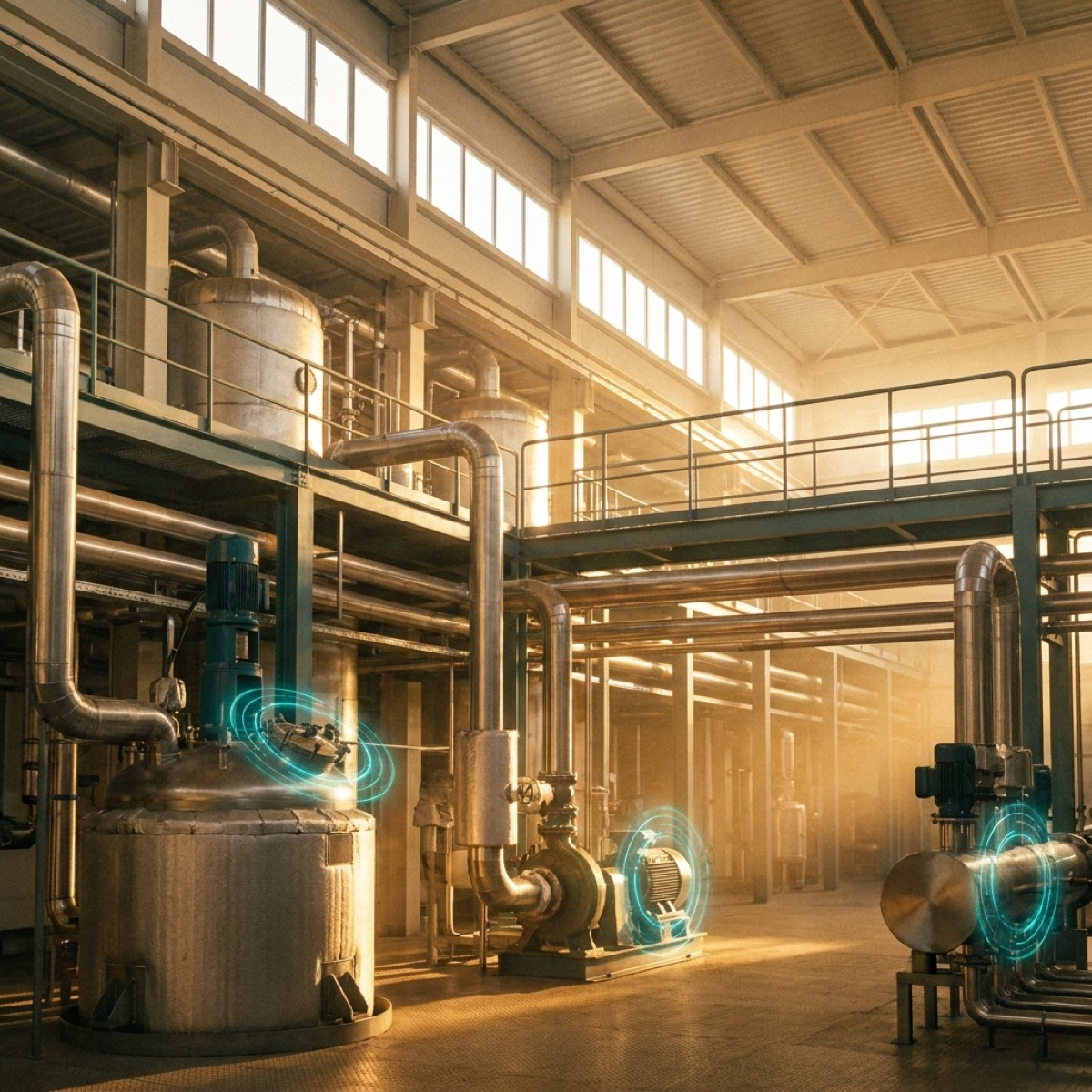
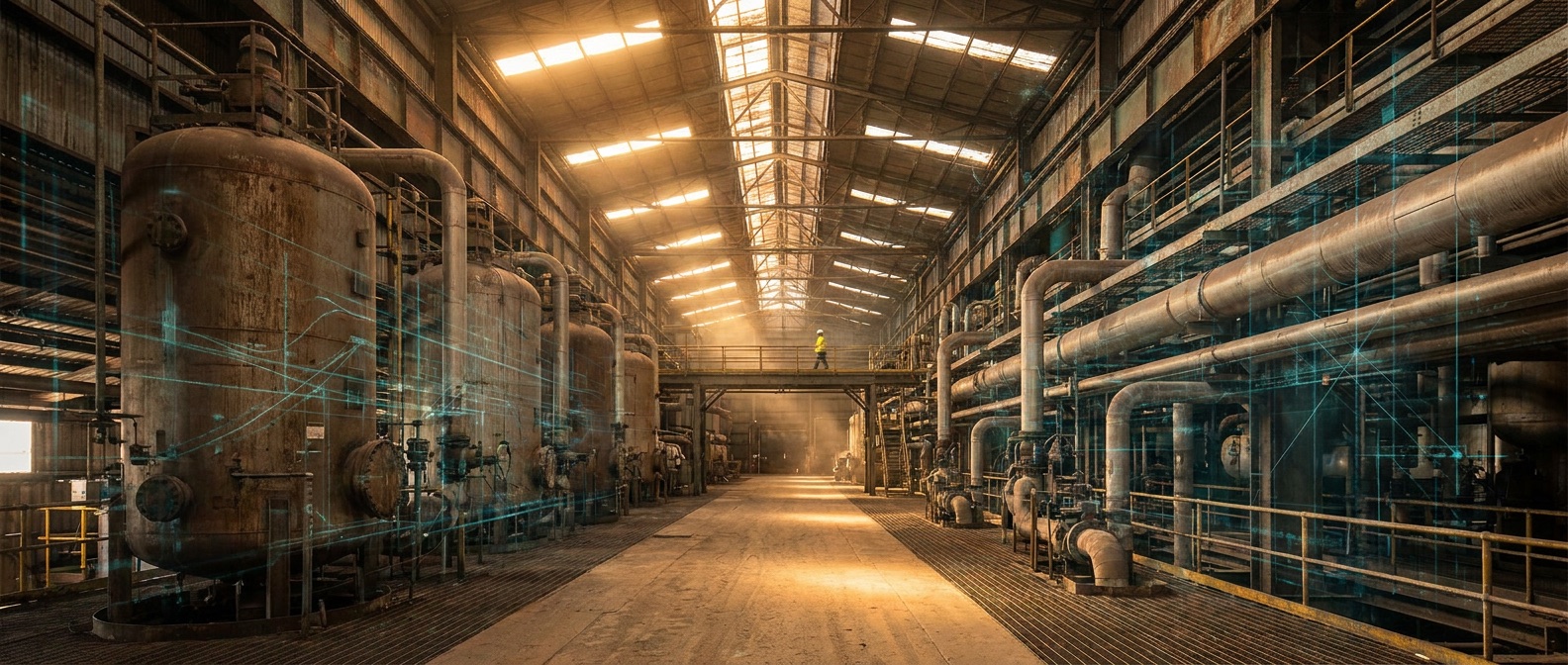
Interior of a modern process manufacturing plant with insulated tanks, stainless steel pipe runs and motor-driven pumps under warm skylight, restrained teal vibration-monitoring rings on rotating equipment
The challenge

Complex plants, running without continuous machine visibility

Heavy industry and process manufacturing facilities operate some of the world's most complex and mission-critical infrastructure. Unplanned downtime across pumps, motors, conveyors, hydraulic systems, robotics or production lines can halt operations for hours or days, costing millions in lost production, maintenance and supply chain disruption.

Many industrial operations still rely on reactive maintenance, manual inspections, fragmented telemetry systems, isolated SCADA environments and delayed operational reporting. These approaches make it difficult to identify early warning signs of mechanical failure or operational inefficiency before catastrophic breakdowns occur.

Traditional wired monitoring systems can be expensive and difficult to scale across large industrial plants, particularly in hard-to-reach environments, sub-floor locations and operational production areas.

Catastrophic equipment failure stops the line for hours or days.

Unplanned production downtime, missed throughput and reduced reliability.

Higher maintenance and energy costs, eroding margin every quarter.

The cost of inaction

  • ×Catastrophic equipment failure
  • ×Production downtime
  • ×Reduced throughput
  • ×Higher maintenance costs
  • ×Energy inefficiencies
  • ×Asset degradation
  • ×Safety risks
  • ×Loss of operational visibility
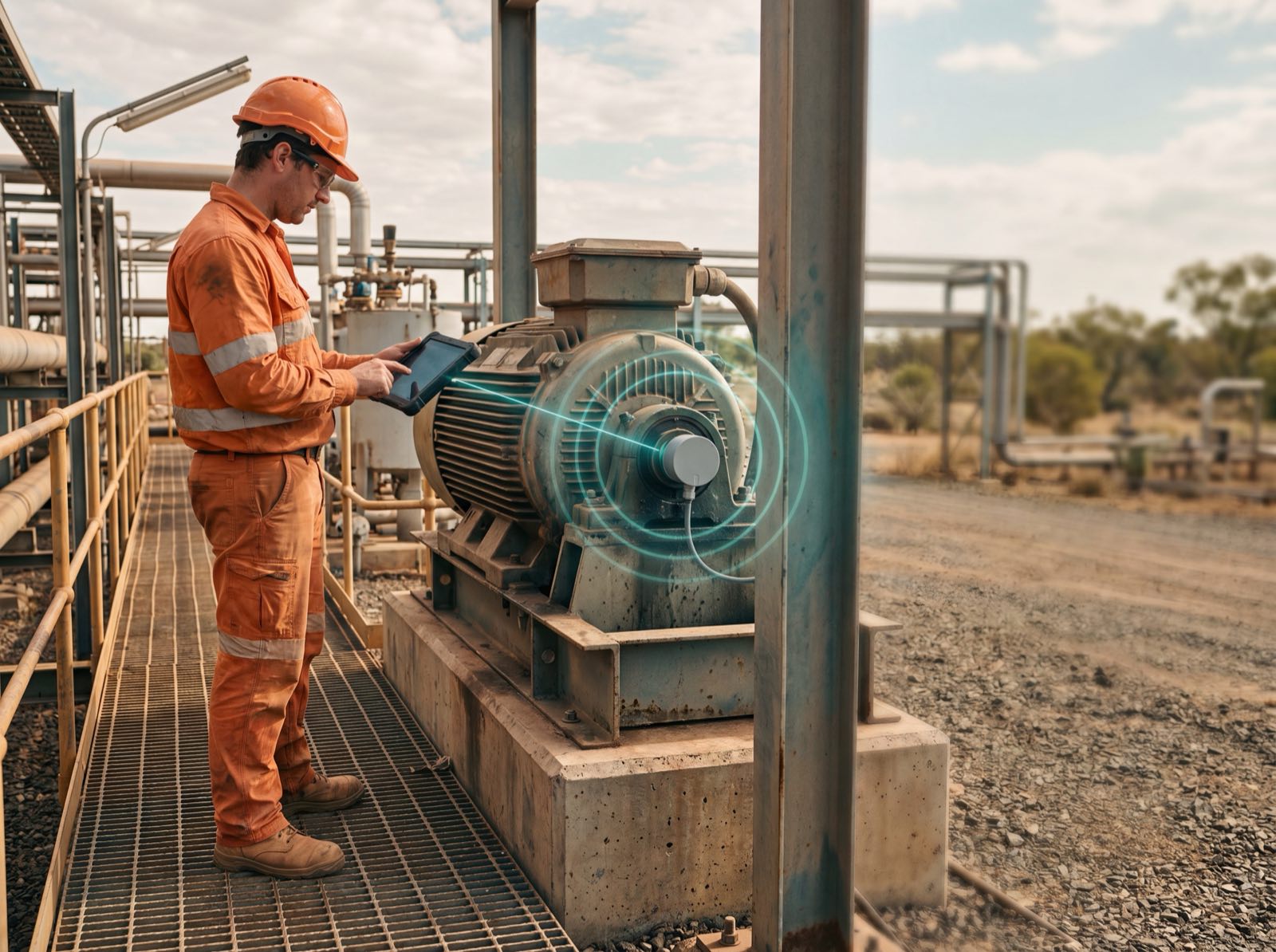
Operator holding a tablet beside a process-plant motor skid, generic sensor node mounted on the bearing housing, restrained teal data ring around the sensor
What is Smart Manufacturing

From reactive operations to real-time industrial intelligence

Smart Manufacturing is the digital transformation of industrial operations through the integration of Industrial IoT, AI, digital twins, cloud platforms and advanced analytics. It connects machines, assets, utilities and operational systems into a unified real-time operational intelligence environment.

Using Industrial IoT telemetry and connected sensing, manufacturers can continuously monitor machine vibration, temperature, pressure, energy usage, lubrication, environmental conditions and asset location. The data is integrated into enterprise systems, SCADA platforms, digital twins and predictive analytics engines.

In heavy industry and process manufacturing environments, Smart Manufacturing enables a shift from reactive operations to data-driven industrial intelligence powered by real-time telemetry and AI.

Condition-based maintenancePredictive maintenanceOperational optimisationAI analyticsLifecycle managementESG reportingIntelligent automation
What we do

Industrial IoT, AI-enabled telemetry and digital asset intelligence for heavy industry

Industrial IoT

Real-time visibility across mission-critical assets

Meshed delivers Industrial IoT, AI-enabled telemetry and digital asset intelligence solutions for heavy industry, process manufacturing and industrial infrastructure environments. We digitise mission-critical assets using scalable LoRaWAN sensing, cloud-connected telemetry and predictive analytics platforms.

Vibration & condition monitoring

24/7 telemetry on motors, pumps, conveyors and rotating equipment.

AI

Predictive maintenance systems

Forecast equipment failure before it stops production.

Connected asset intelligence

One operational picture across maintenance, operations and engineering.

Digital twin

Digital twin integration

SCADA, ERP, AVEVA PI and operational systems unified into a real-time model.

Our solutions provide secure, real-time visibility across industrial operations, enabling maintenance and operations teams to transition from reactive maintenance to predictive and condition-based maintenance strategies powered by AI and machine learning. Our managed LoRaWAN infrastructure and MeshedX telemetry platform support large-scale industrial sensing deployments across factories, manufacturing plants, logistics facilities and heavy industrial operations.

How it works

From a sensor on the machine to a decision on the dashboard

Six steps from a field sensor to operational intelligence, built to bolt onto the SCADA, ERP and asset management platforms you already run.

1

Industrial asset digitisation

Machines, utilities and operational infrastructure are instrumented using Industrial IoT sensors to create continuous streams of operational telemetry. Typical assets include motors, pumps, conveyors, hydraulic systems, robotics, compressors, energy systems and mobile equipment.

2

LoRaWAN network deployment

Meshed deploys secure private or managed LoRaWAN networks across industrial facilities using strategically positioned gateways connected to the MeshedX LoRaWAN Network Server. Long-range coverage, deep indoor penetration, low power operation and rapid deployment, with no SIM cards or expensive data plans.

3

Real-time telemetry and monitoring

Industrial sensors continuously monitor vibration, temperature, pressure, energy, gas, water, lubrication and machine operating conditions. Telemetry is securely transmitted into cloud platforms and operational systems for real-time analysis.

4

Operational dashboards and visualisation

Telemetry is visualised through operational dashboards delivering trend analysis, anomaly detection, threshold alerts, predictive insights and maintenance intelligence. Vibration dashboards provide granular machine health visibility across multiple sites and operational assets.

5

AI and predictive maintenance

AI and machine learning models analyse operational telemetry to identify early-stage mechanical faults, forecast equipment failure, automate maintenance alerts, optimise maintenance schedules and reduce unplanned downtime, shifting from scheduled to predictive and condition-based maintenance.

6

Enterprise and digital twin integration

Operational telemetry integrates into SCADA platforms, ERP systems, digital twins, GIS systems, AVEVA PI and enterprise asset management platforms, creating a connected operational intelligence environment across maintenance, operations, engineering and executive teams.

The platform

See machine health the moment it changes

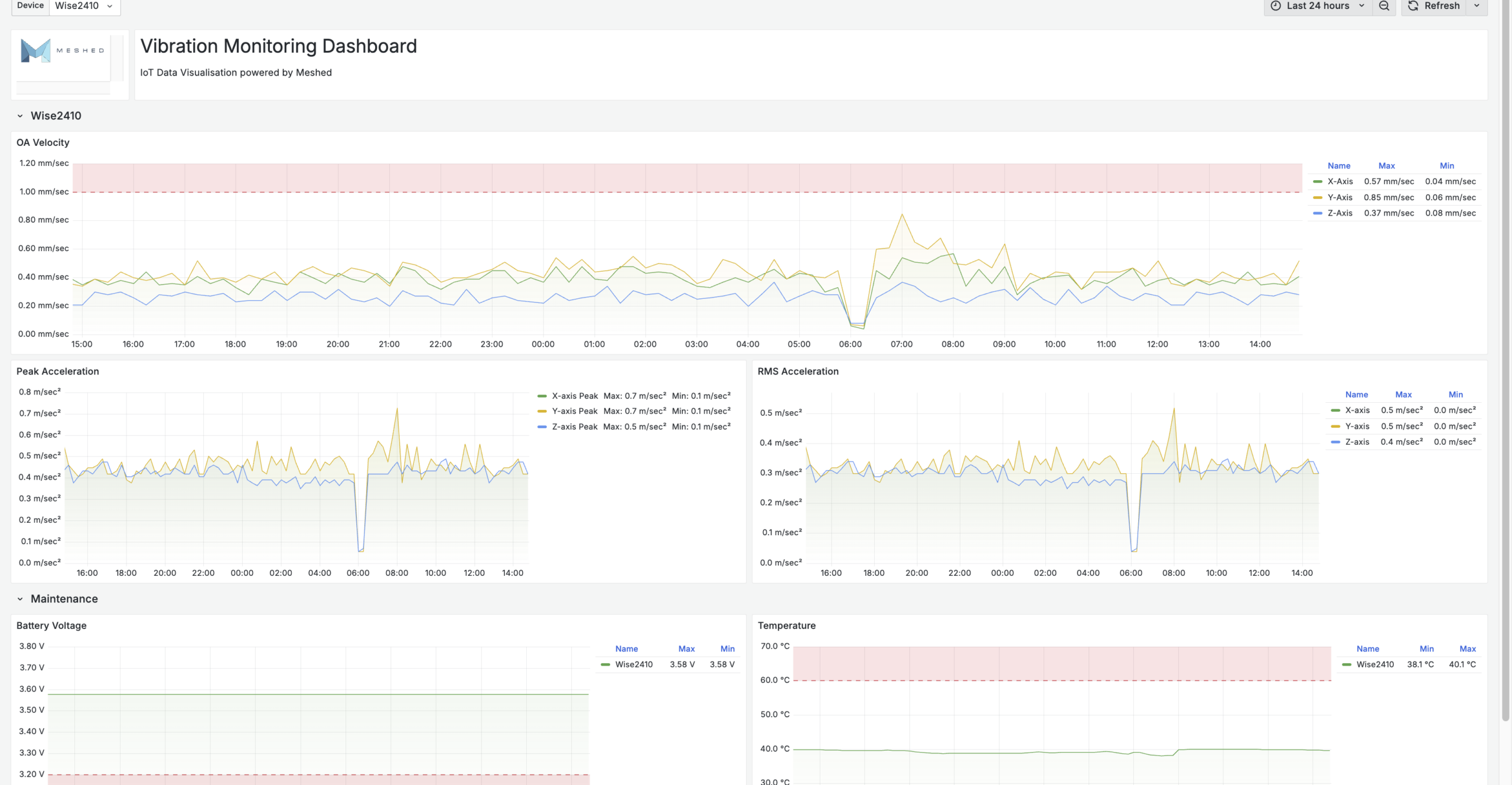
Vibration, temperature and threshold telemetry stream into a single dashboard so a bearing turning bad is a notification, not a teardown.

Live Meshed dashboard showing vibration velocity, peak and RMS acceleration, battery voltage and temperature for rotating equipment, with red threshold bands and dense traces
Real-time vibration, temperature and threshold-alert telemetry across rotating equipment, captured from the case-study deployment.

Proven at global scale across heavy industry

2,500
vibration sensors deployed across global steel manufacturing operations
50+
process interruptions avoided in one factory installation using 300 sensors
3
regions: Australia, Asia-Pacific and the United States

For industrial manufacturers, operations leaders and maintenance teams who need to reduce downtime and improve asset reliability, Meshed is the Industrial IoT and connected asset intelligence partner that delivers scalable real-time telemetry, predictive maintenance and operational visibility across complex industrial environments. Unlike traditional wired monitoring systems, siloed SCADA environments or manual inspection programs, we provide rapidly deployable, low-power wireless sensing infrastructure integrated with AI analytics, digital twins and enterprise operational systems.

Where we deliver

The use cases that move the needle on industrial reliability

Some of the most effective asset monitoring use cases in heavy industry and process manufacturing include:

Mission-critical vibration monitoring

24/7 monitoring of motors, pumps, conveyors and rotating equipment to identify early-stage mechanical failure before catastrophic breakdowns occur.

Wireless retrofit. No production shutdown to install. Telemetry into your existing analytics, CMMS or AVEVA PI environment.

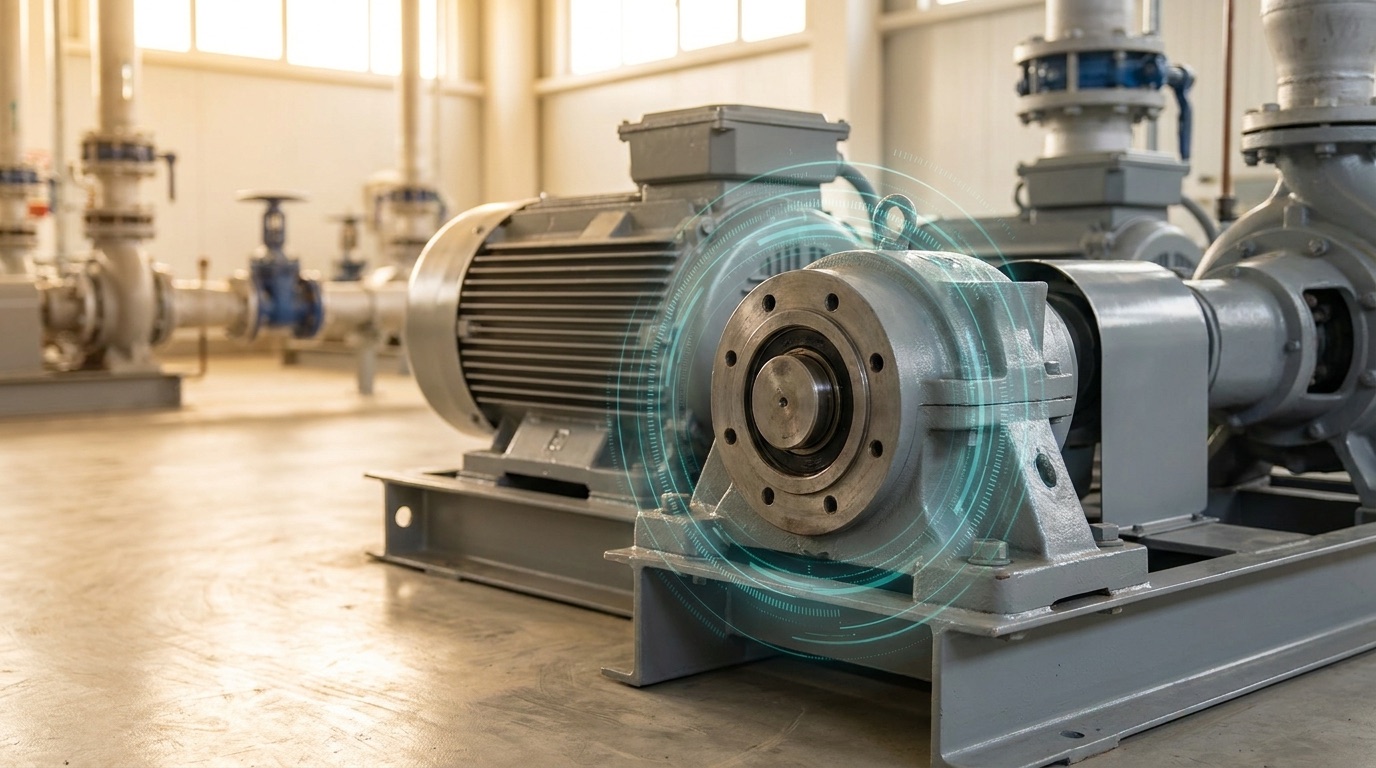
Industrial electric motor and pump skid on a clean process-plant floor, soft teal data ring around the bearing housing

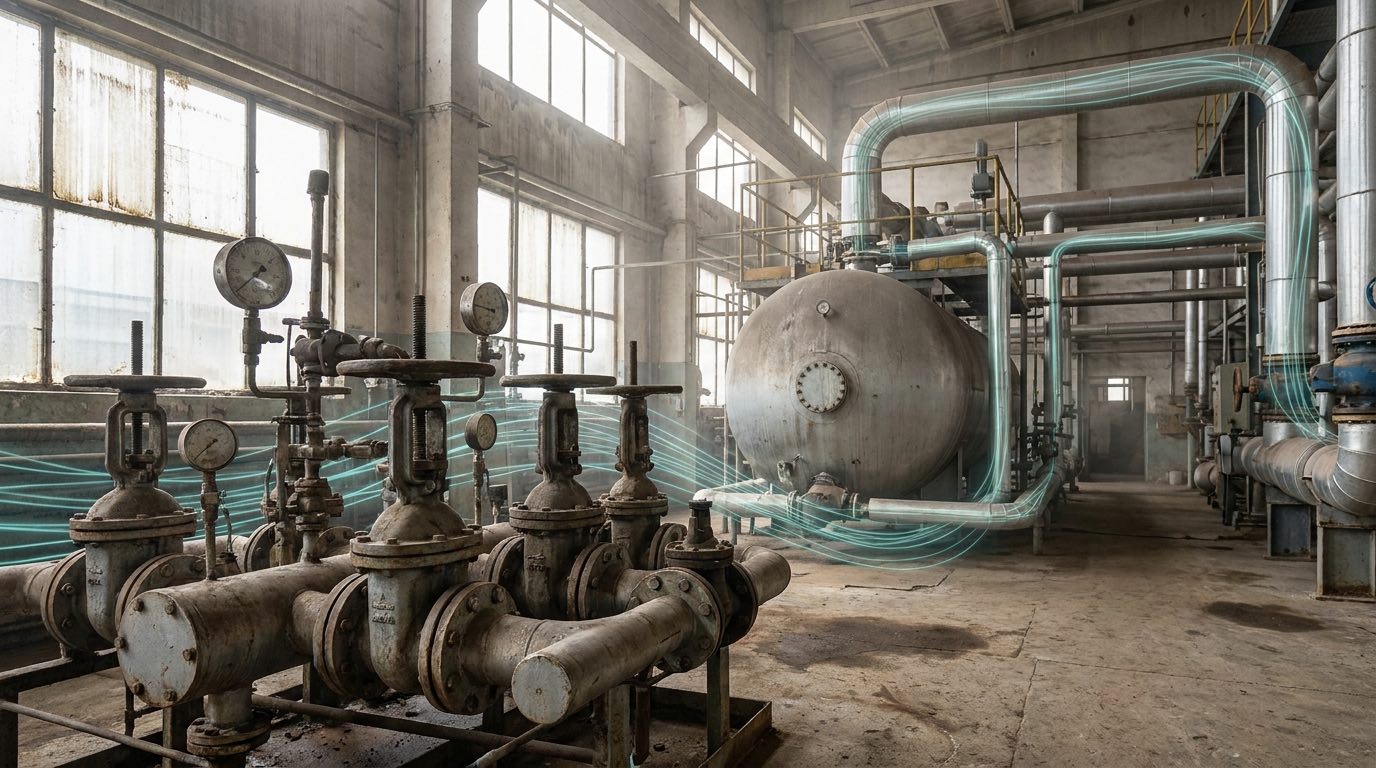
Process plant temperature and pressure monitoring

Continuous telemetry for pressure vessels, pipelines and industrial process systems to improve operational reliability and safety.

Battery-powered sensors in sub-floor and difficult-to-access locations, with threshold-driven alerts surfaced to the operations team in real time.

Industrial pressure vessel and pipework cluster with valves and gauges in a process plant, restrained teal data threads tracing the pipe flow

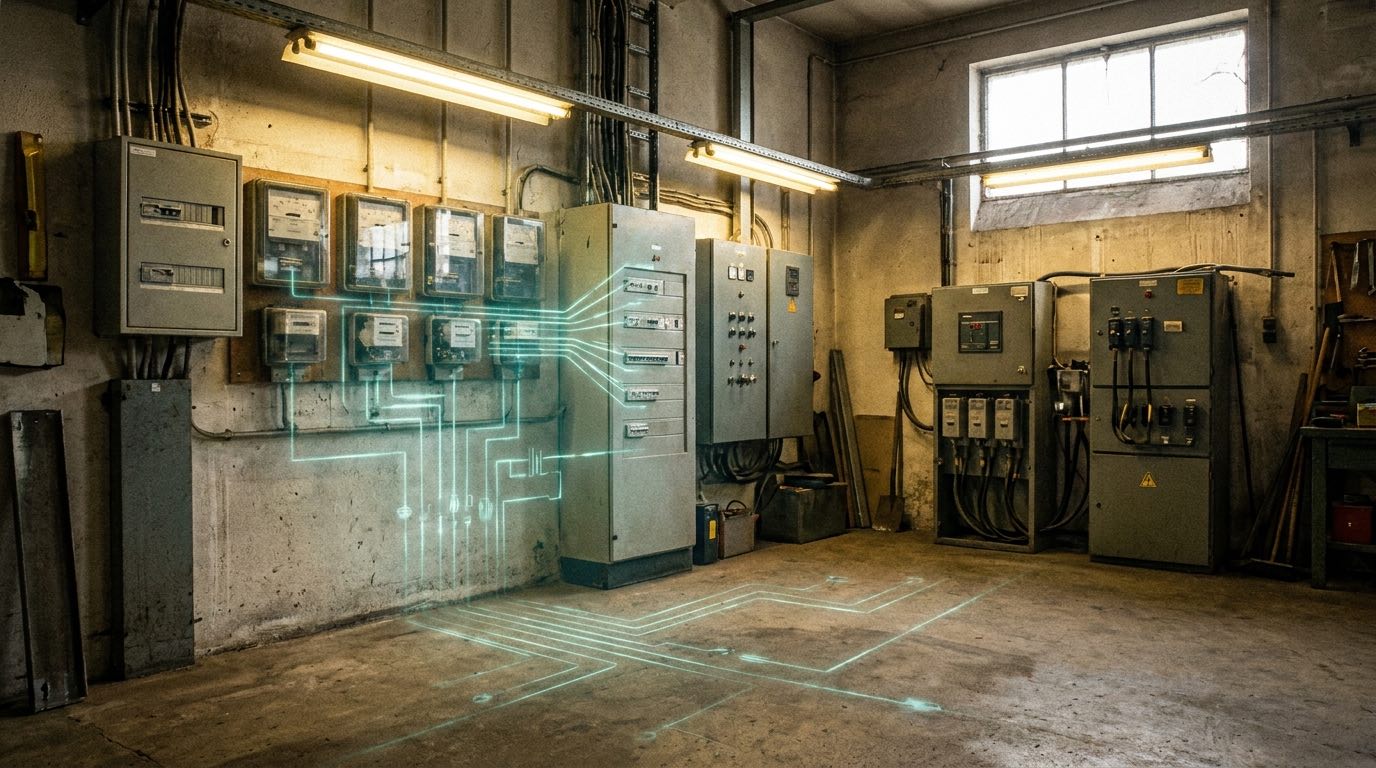
Industrial energy, gas and water metering

Real-time utility monitoring across manufacturing plants to optimise resource consumption, reduce waste and improve ESG reporting.

Single source of truth for energy and resource intensity across machines, lines and entire facilities.

Industrial utility room with electrical distribution panels, meters and switchgear cabinets in a factory environment

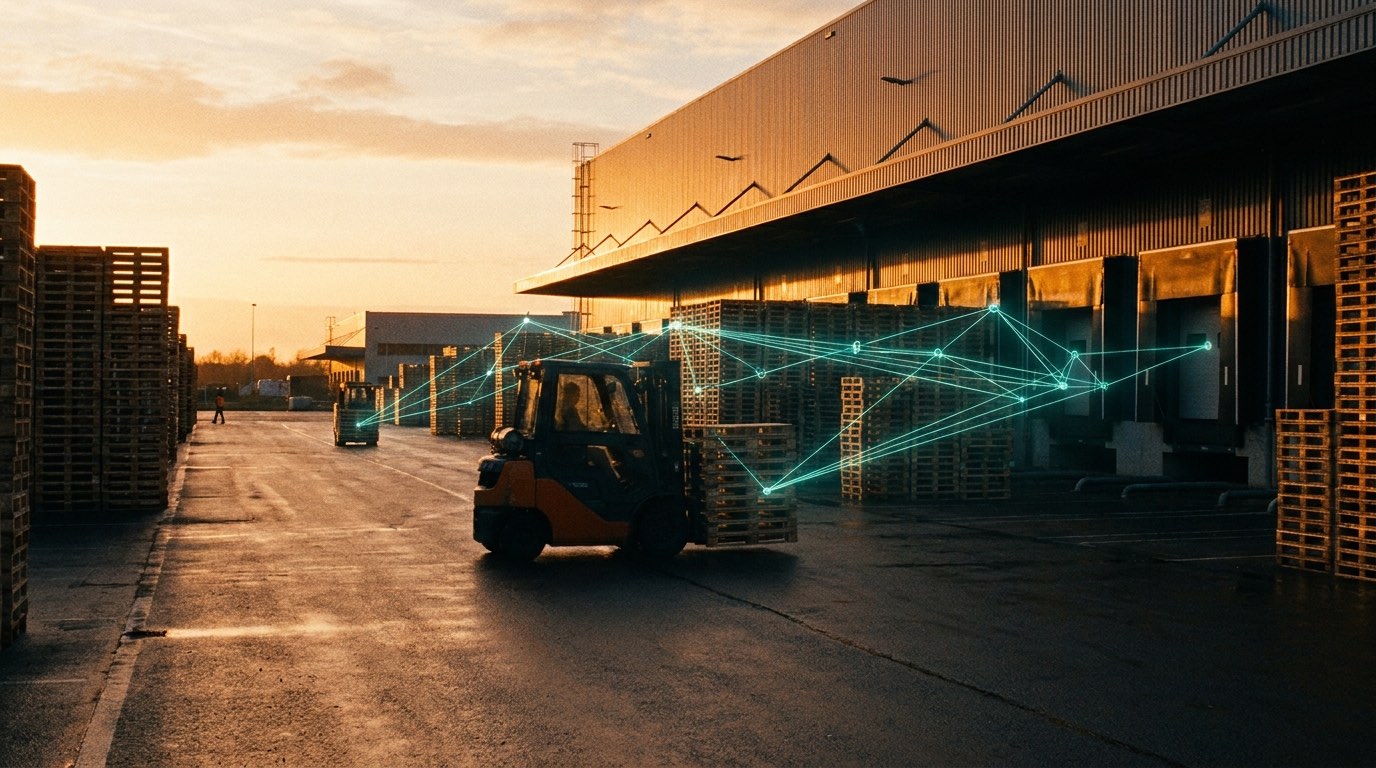
Asset tracking and operational visibility

GPS and telemetry tracking for mobile assets, forklifts, pallets and industrial equipment to improve maintenance scheduling and operational awareness.

Utilisation, location and after-hours movement across the whole plant and yard.

Industrial logistics yard at golden hour with a forklift and stacked pallets, restrained teal data overlay tracing soft movement paths

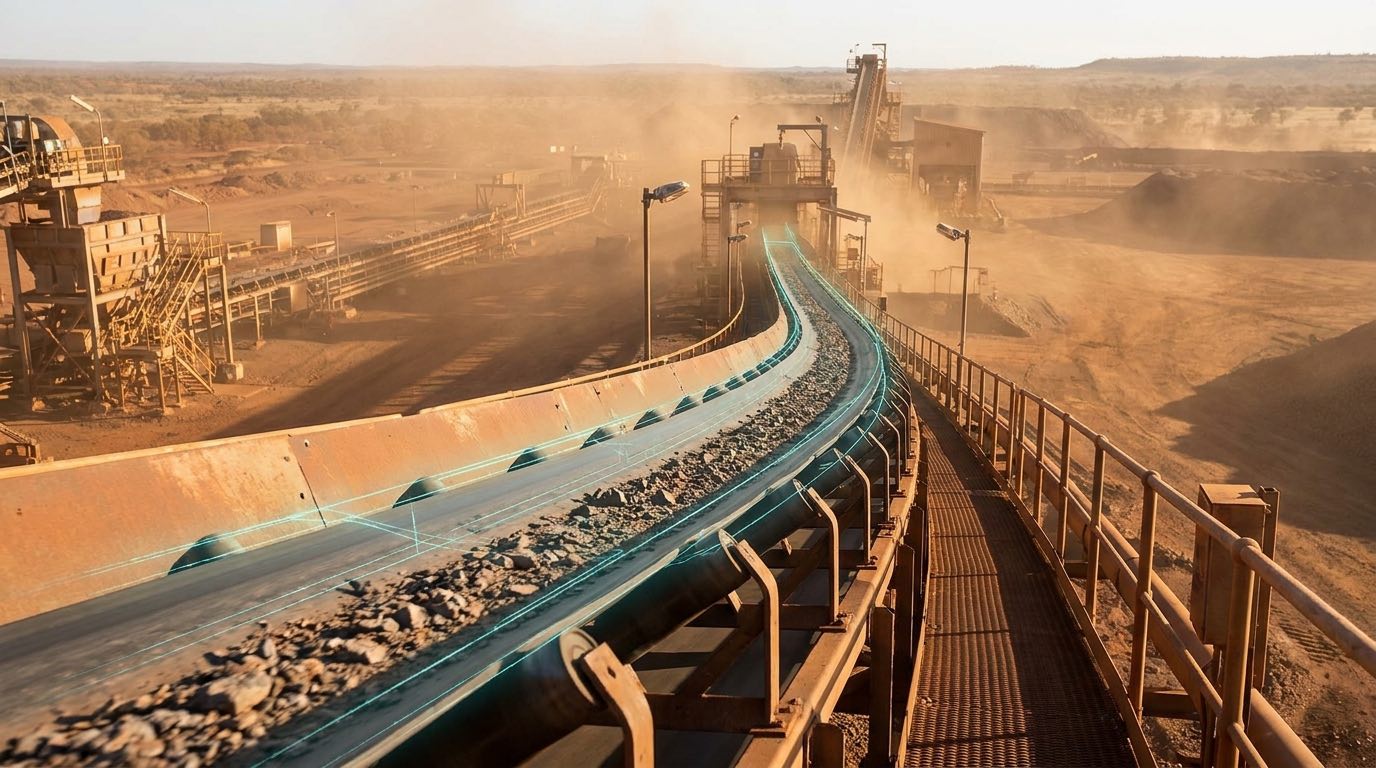
Conveyor and hydraulic system monitoring

Monitoring hydraulic systems, lubrication and conveyor infrastructure in mining, steel, ports and bulk material handling operations.

Catch lubrication failure and conveyor wear early, before downtime cascades through the production line.

Industrial conveyor belt curving through a bulk-material handling facility with soft teal data threads tracing the belt path

Factory environmental monitoring

Industrial environmental telemetry for air quality, dust, noise, temperature and operational compliance across heavy industry facilities.

Evidence-grade telemetry for environmental compliance reporting and worker safety obligations.

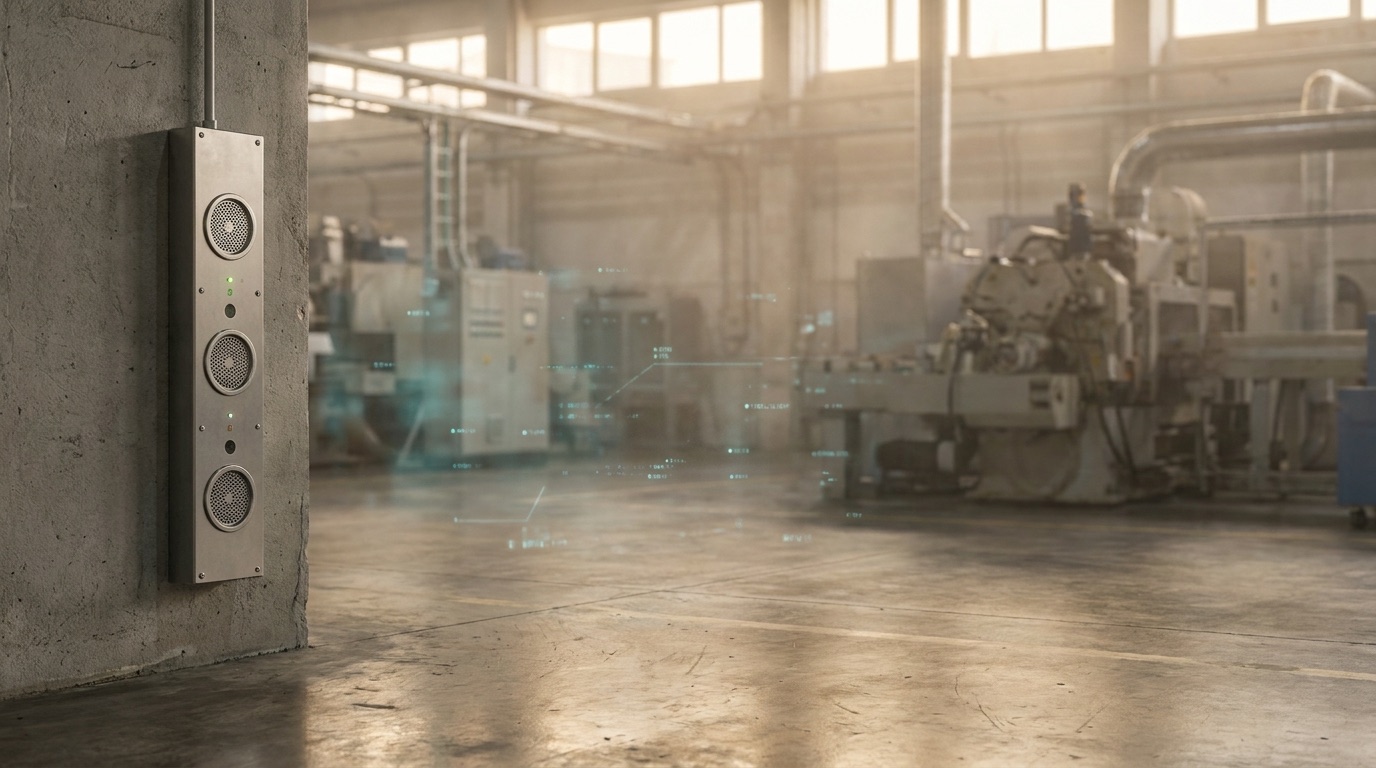
Slim wall-mounted environmental monitoring station inside a factory production area with restrained teal air-quality data overlay
Wide environmental view of a heavy-industry process plant interior, pipework and pressure vessels receding into perspective with a restrained teal telemetry overlay woven through the architecture
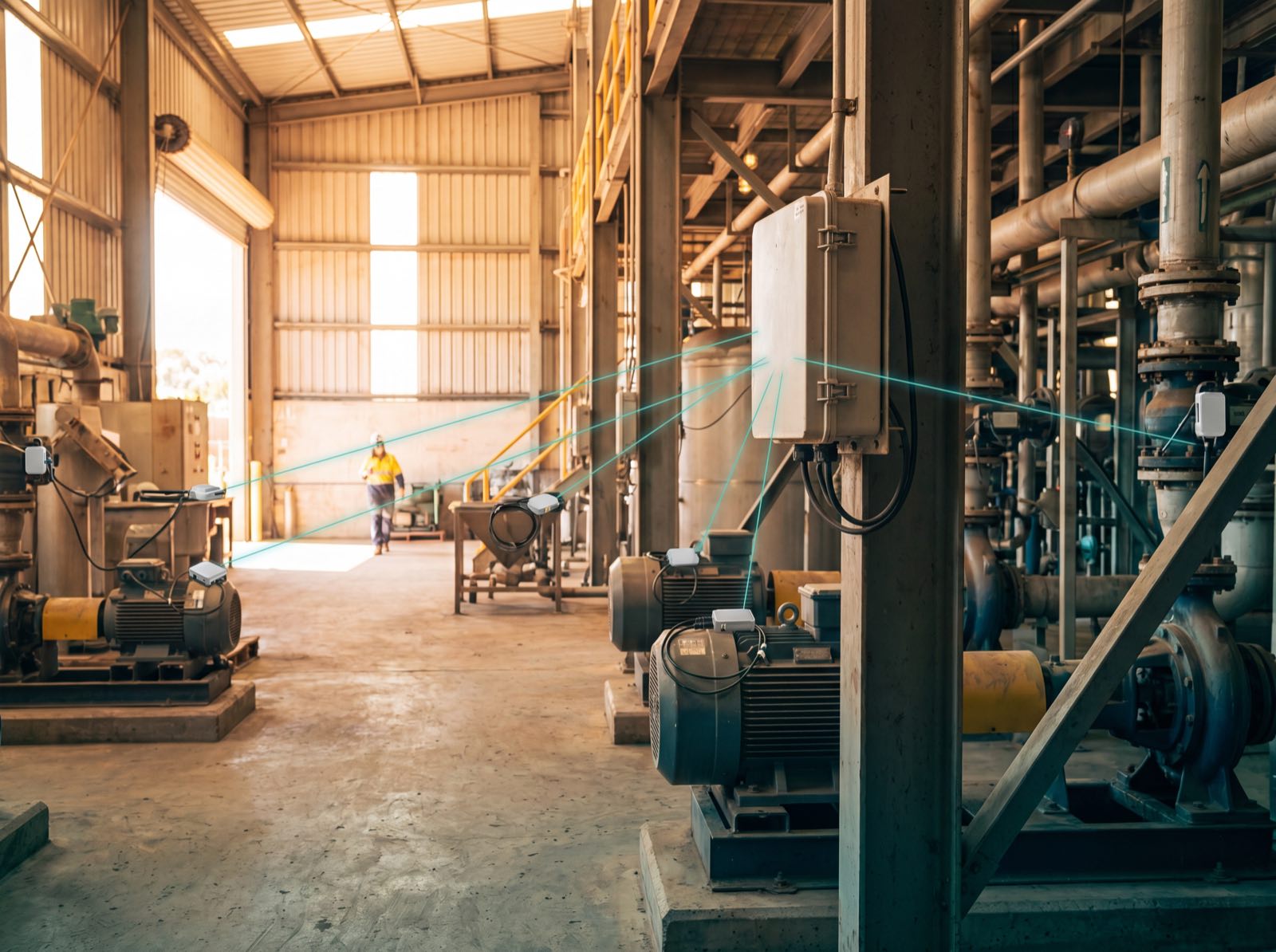
Case study Process-plant motor housing in warm Australian daylight with a generic sensor node on the bearing and a LoRaWAN gateway in the mid-ground, restrained teal data overlay

Global Manufacturing Company, advanced vibration monitoring

Australia, Asia-Pacific and the United States. 2,000+ vibration sensors integrated with predictive maintenance analytics.

Challenge

A global manufacturing company needed continuous visibility of critical rotating assets across geographically distributed operations, with reduced reliance on manual inspections and costly downtime.

Solution

Meshed deployed advanced LoRaWAN-enabled vibration monitoring combining wireless sensors, localised edge computing and real-time telemetry. The solution integrated into predictive maintenance analytics across the multi-region asset base.

Over 200 sensors are currently deployed in one facility alone to support predictive maintenance and operational efficiency.

Results
  • Significant reductions in unplanned downtime and maintenance man-hours
  • Improved machine reliability and increased operational visibility
  • Reduced maintenance costs and enhanced ESG reporting capabilities
  • Scalable architecture supporting rapid expansion across additional sites
The difference

Built for the plant floor, not a fixed control room

Traditional industrial monitoring

  • Manual inspections
  • Reactive maintenance
  • Wired monitoring systems
  • Proprietary isolated systems
  • Limited operational visibility
  • High installation complexity
  • Multiple disconnected networks
  • Periodic reporting

Meshed Smart Manufacturing

  • 24/7 remote telemetry
  • Predictive and condition-based maintenance
  • Rapid wireless deployment
  • Open interoperable architecture
  • Enterprise operational intelligence
  • Retrofit-friendly sensing
  • Unified LoRaWAN infrastructure
  • Real-time operational analytics
Designed around
LoRaWAN open standards

Public LoRaWAN specification, no proprietary lock-in.

Industrial interoperability

SCADA, ERP, AVEVA PI, BMS and digital twin APIs.

Cloud scalability

AWS-hosted infrastructure scaling from a pilot to plant-wide.

AI-driven analytics

Predictive maintenance and anomaly detection on live telemetry.

Digital twin integration

Operational telemetry fed into the live spatial model of the plant.

Managed network infrastructure

MeshedX LoRaWAN Network Server, hosted and operated by Meshed.

SLA-backed operational support

Carrier-grade uptime guarantees for industrial environments.

The specs

Built on industrial-grade infrastructure

Network technology

LoRaWAN LPWAN.

Coverage

Factory-wide long-range wireless coverage.

Sensor types

Vibration, pressure, temperature, energy, gas, water, GPS.

Deployment

Battery-powered wireless retrofit.

Connectivity

Ethernet, cellular, satellite backhaul.

AI capability

Predictive maintenance and anomaly detection.

Integration paths

SCADA, ERP, AVEVA PI, digital twins, GIS.

Architecture

Open standards and API-driven.

Industrial support

SLA-backed managed network services.

Questions

The questions industrial buyers ask first

Still sizing a vibration pilot or a plant-wide rollout?

Speak to a Meshed expert
Why is Industrial IoT important for manufacturing?

Industrial IoT provides real-time operational visibility across machines, utilities and production infrastructure. Manufacturers use telemetry and analytics to reduce downtime, improve reliability, optimise maintenance schedules and support predictive maintenance strategies using AI and operational intelligence.

Why is LoRaWAN well suited to manufacturing environments?

LoRaWAN provides long-range wireless coverage with deep indoor penetration across factories and industrial facilities. It enables rapid deployment of battery-powered sensors without extensive cabling, making it ideal for large industrial sites and difficult-to-access machine locations.

What assets can be monitored in Smart Manufacturing?

Smart Manufacturing solutions can monitor motors, conveyors, pumps, compressors, hydraulic systems, robotics, pressure systems, utilities, environmental conditions and mobile industrial assets using connected IoT telemetry and AI analytics.

How does predictive maintenance reduce downtime?

Predictive maintenance uses real-time telemetry and AI models to identify abnormal machine behaviour before failure occurs. This enables maintenance teams to intervene early, reducing catastrophic breakdowns, extending equipment life and minimising production disruption.

Can Industrial IoT integrate with existing SCADA systems?

Yes. Industrial IoT platforms can integrate with SCADA, ERP, digital twins, AVEVA PI systems and enterprise asset management platforms using open standards and API-driven architectures.

Why are manufacturers adopting digital twins?

Digital twins combine telemetry, operational systems and asset intelligence into a real-time virtual operational model. Manufacturers use digital twins for asset visualisation, operational planning, predictive analytics and lifecycle optimisation.

What are the ESG benefits of Smart Manufacturing?

Smart Manufacturing improves visibility into energy, water, emissions and operational efficiency. Real-time monitoring helps organisations reduce waste, optimise resource consumption and improve environmental compliance reporting.

What is the benefit of wireless vibration monitoring?

Wireless vibration monitoring enables continuous machine health monitoring without complex installations or production shutdowns. It provides early warning detection for mechanical faults and supports scalable predictive maintenance programs across large industrial operations.

Identify the highest-value opportunities across your operations

To identify the highest-value Industrial IoT, predictive maintenance and operational intelligence opportunities across your manufacturing operations, talk to Meshed. Our interoperable, standards-based approach lets global manufacturers deploy across diverse geographies.