Australian cities in 2016 had very little continuous measurement of themselves. Information about how a city was performing arrived in disparate ways, from different departments, on different timescales, usually well after the period it described.
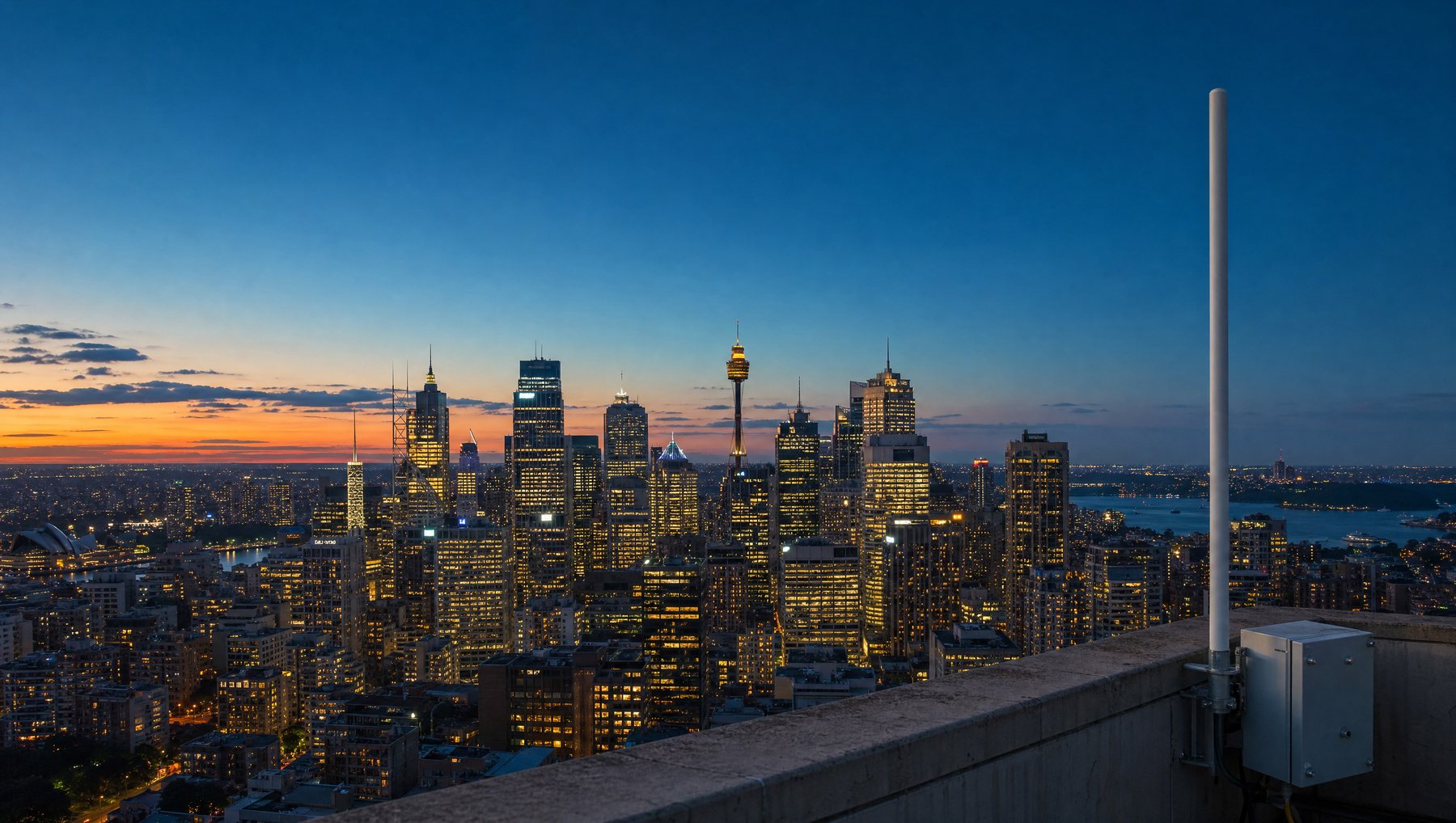
The Sydney network was an attempt to change the economics of that. If connecting a sensor costs nothing and requires no contract, the number of things worth measuring goes up sharply.
What was built, and with whom
Meshed unveiled the network in partnership with The Things Network, the IoT Alliance and the University of Technology Sydney.
The university partnership was deliberate rather than incidental. As Catherine Caruana-McManus described it at the time, a university brings four things to a project like this, being a research layer, a student learning layer, an existing relationship with the city, and access to younger generations who will build on it.
The idea of a city's vital signs
The framing used at launch was a fitness tracker for the city.
The reasoning was that measuring a city's health matters precisely because the information otherwise arrives in fragments. A continuous, public, comparable set of readings gives people a real sense of the state of the city's amenity, rather than an impression assembled from separate reports.
Because the technology was easy to deploy, individual pockets of the city could begin monitoring themselves without waiting for a centralised programme to reach them. That was the point of making access free.
What happened next
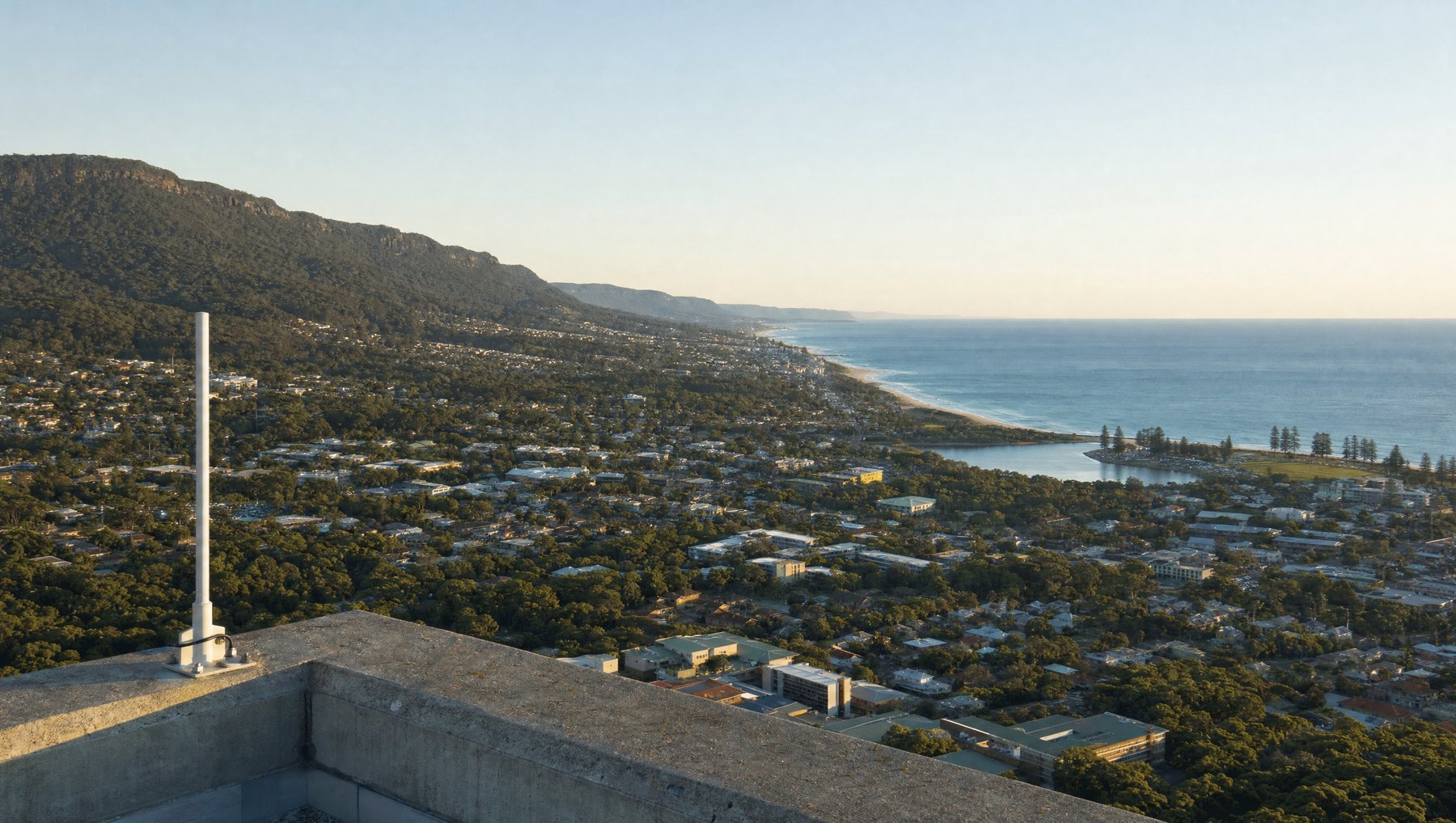
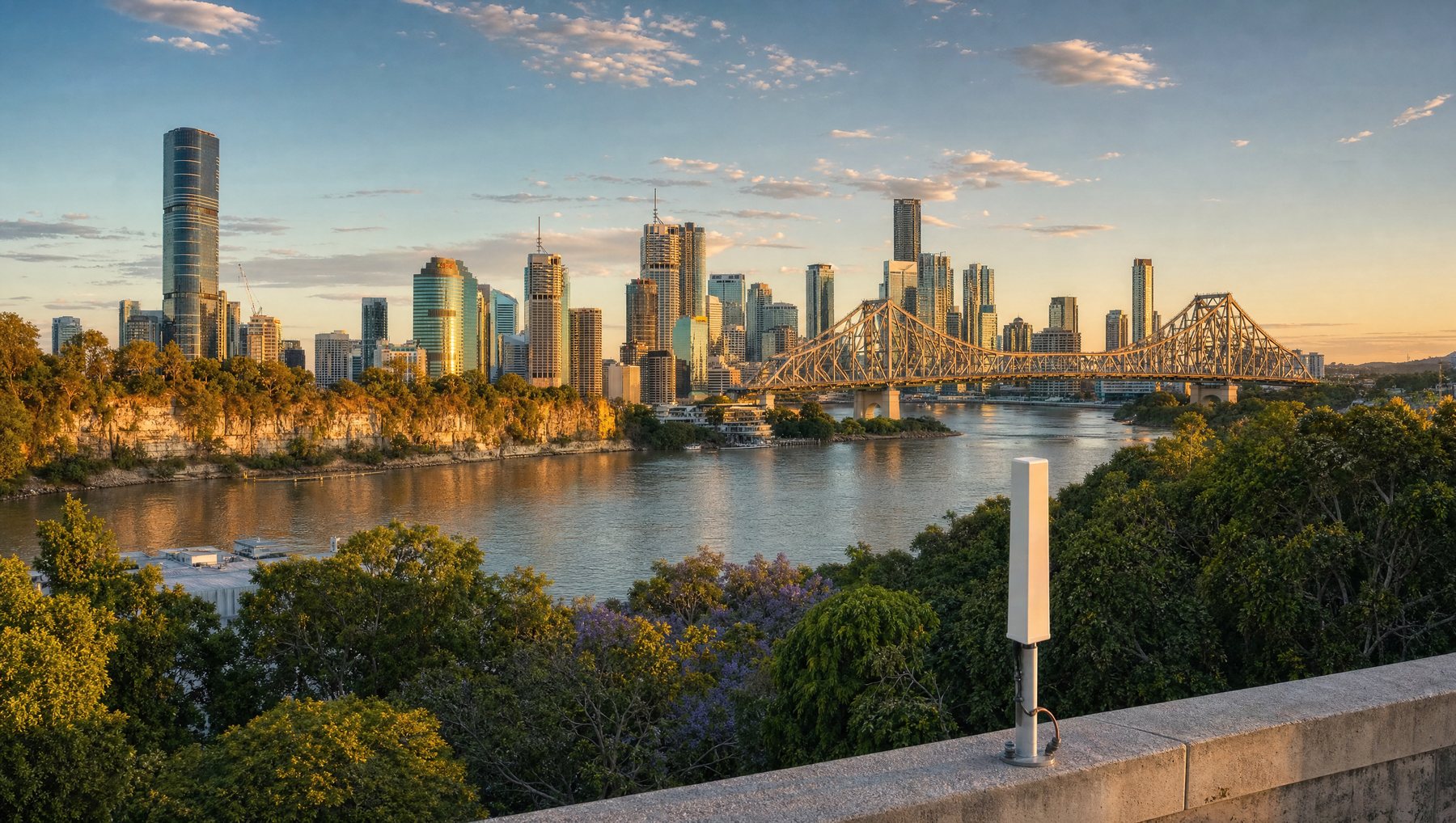
The Sydney launch followed a similar network in Wollongong earlier the same year, and Brisbane followed a few months later. Within about eighteen months Meshed had installed and was operating networks in Sydney, Melbourne, Brisbane, the Gold Coast, the Sunshine Coast, Ipswich, Wollongong and Cairns.
More on smart cities.
This launch was reported by IoT Hub, Australia's Internet of Things trade publication.
“Using LoRa to build a 'Fitbit for Sydney'”, IoT Hub, 20 July 2016.