
Context
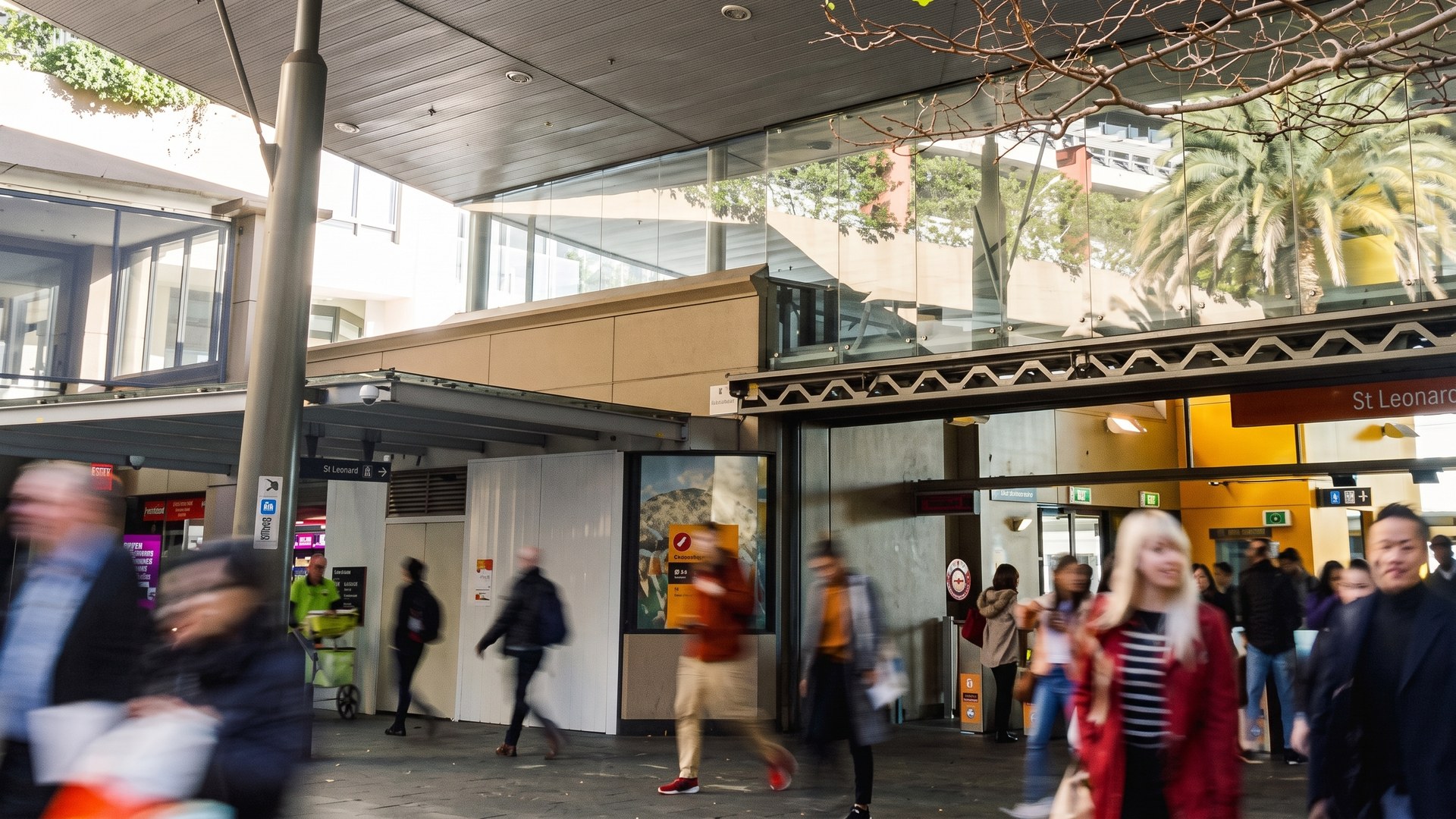
Located in the heart of an Australian capital city, this flagship waterfront precinct is one of the city's most active mixed-use destinations, operating continuously across day and night. Combining commercial offices, hospitality venues, tourism attractions, public open space and event infrastructure along an extensive river frontage, the precinct attracts highly variable pedestrian volumes throughout the week and across seasons.
The precinct is owned and overseen by a state government development authority, with day-to-day operations managed by a global property management firm. Together, these organisations are responsible for maintaining safety, amenity and operational performance while ensuring the precinct continues to function as a vibrant, economically productive and publicly accessible destination.
The People Counting Opportunity
For a public precinct of this scale, understanding pedestrian movement is critical to operational and strategic decision-making. Reliable footfall data supports retail and hospitality performance, informs cleaning and maintenance schedules, improves event planning, and helps manage peak visitation periods.
Although CCTV infrastructure was already present across the precinct, extending this network to deliver broad people counting coverage presented practical and financial challenges. Additional vision-based deployments required higher capital investment, new power connections and more complex installation across public infrastructure, making large-scale expansion difficult.
The nCounter Solution
To address this challenge, the property management firm deployed nCounter people counting devices across selected precinct locations. nCounter uses passive Wi-Fi sensing to detect pedestrian movement and securely transmit anonymised footfall data via LoRaWAN.
The devices connect through the city's public-access LoRaWAN network, built on The Things Network and managed by Meshed, enabling low-power, reliable and secure data transmission without the need for new communications infrastructure.
Key Monitoring Locations
Devices were strategically positioned across representative high-traffic areas, including the precinct's maritime-themed playground and water park, waterfront promenades and shared cycling paths, pedestrian bridge connections, civic square and ferry jetty, and selected hospitality activation zones.
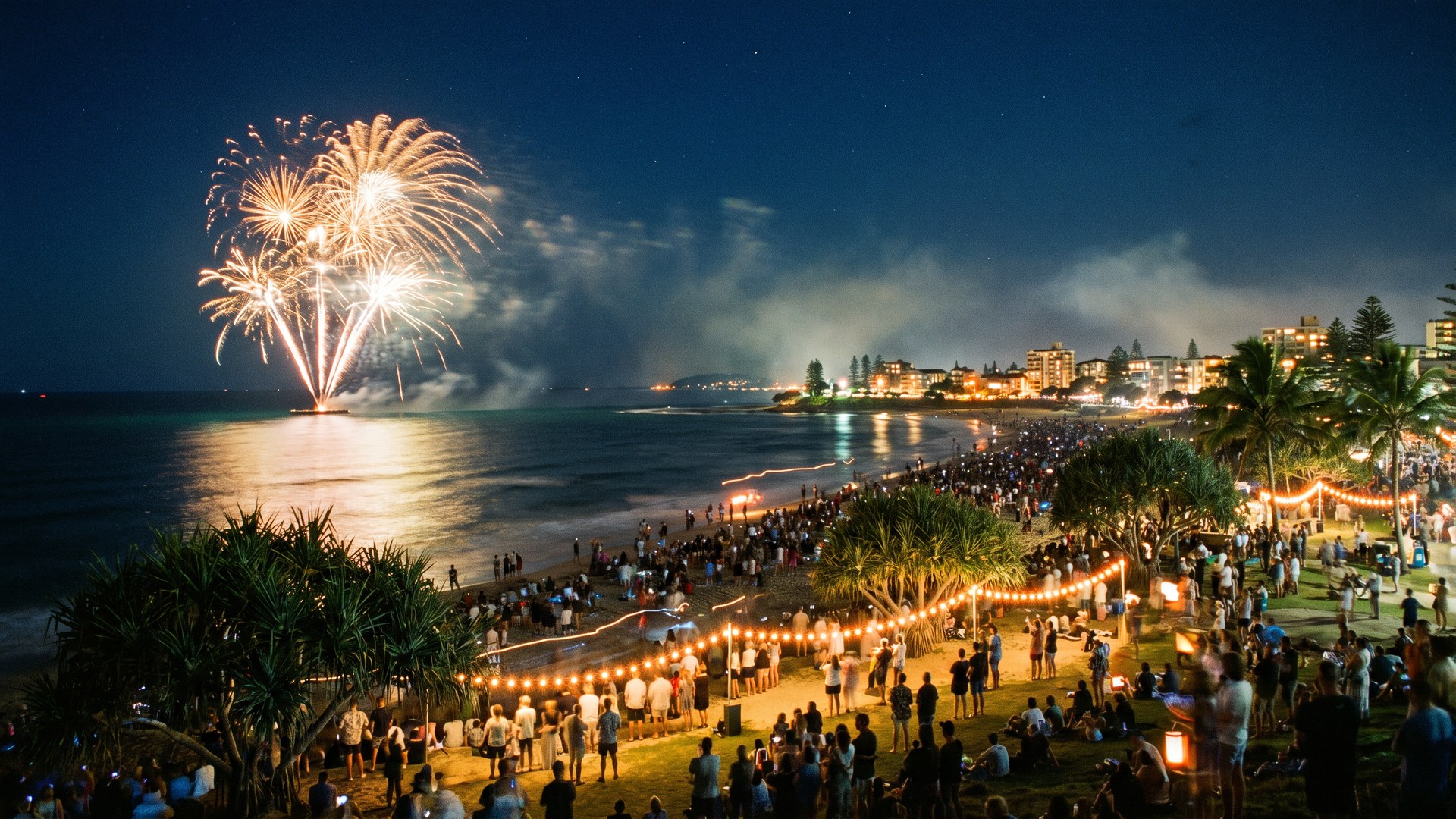
Portable units also support temporary deployment during festivals, seasonal activations and major live events.
Why It Matters
Continuous real-time pedestrian data has enabled both the precinct owner and management team to move from assumptions to evidence-based decision-making. Insights from nCounter support improved maintenance scheduling, more effective event planning, clearer understanding of peak visitation and dwell patterns, and stronger justification for future investment and sustainability initiatives.
Importantly, this has been achieved without introducing privacy or surveillance concerns, and at significantly lower cost and complexity than vision-based alternatives.
This deployment demonstrates how LoRaWAN-based people counting can help major public precincts deliver accurate, privacy-first and scalable pedestrian intelligence while integrating seamlessly into existing smart city infrastructure. The same approach underpins a riverside entertainment and retail precinct in another Australian capital.
A precinct that measures itself continuously stops arguing about what happened, and starts planning what comes next.