
Context
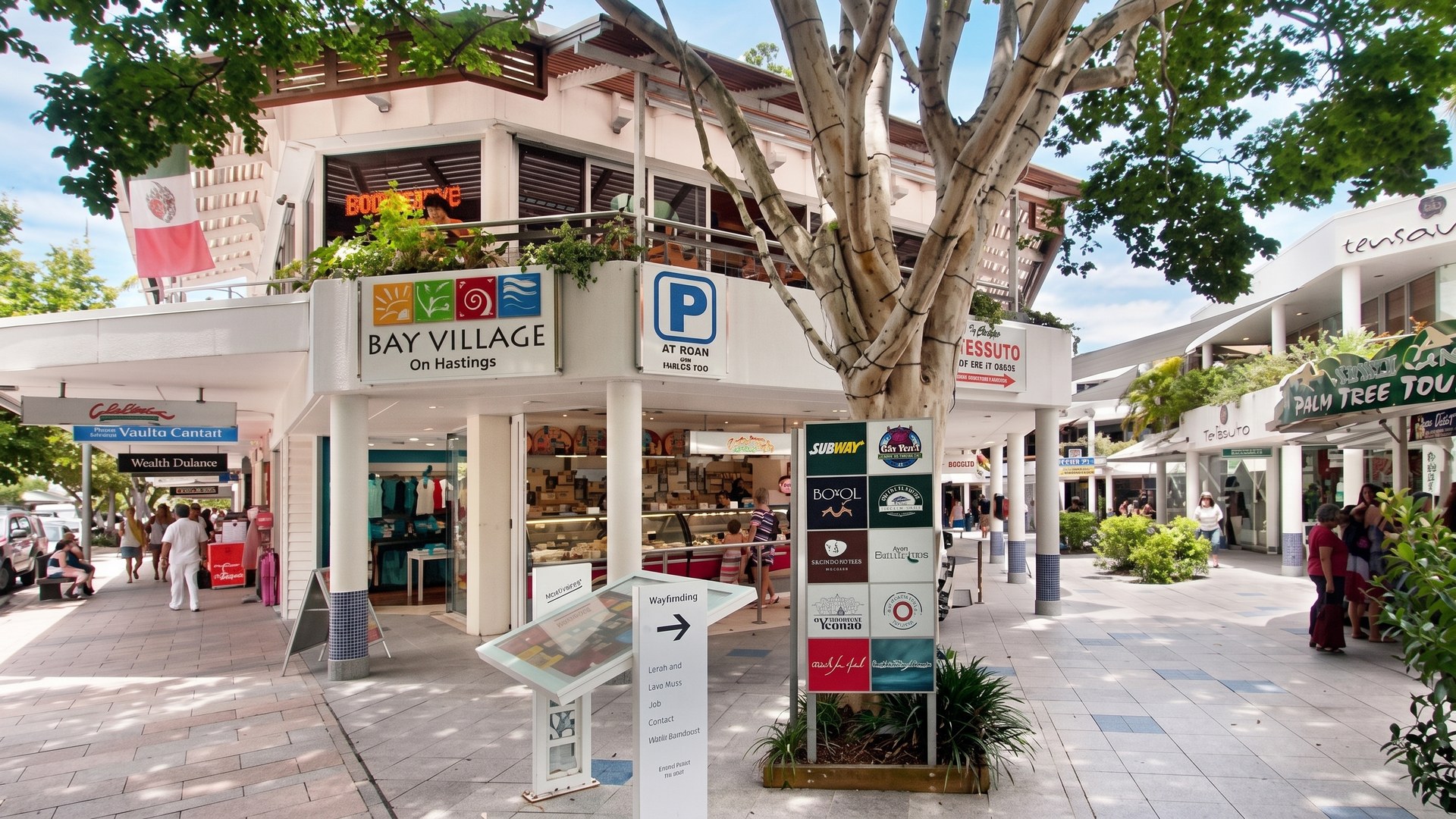
A major riverside entertainment and retail precinct located minutes from the CBD of a large Australian capital city attracts a diverse mix of locals, tourists, commuters and event-goers throughout the year. Designed as an eclectic destination with dozens of traders, food venues and live entertainment, the precinct operates across extended hours and supports adjacent ferry services, shared pedestrian and cycling paths, and nearby residential communities.
The Challenge
Managing a precinct of this scale required accurate, long-term insight into how people moved through and used the space, across peak events, seasonal variations and quieter non-trading periods.
Precinct operators and the state development authority needed reliable data to support operational planning, maintenance scheduling, event management and future investment decisions, without relying on manual counting, expensive infrastructure or privacy-sensitive technologies.
The Solution
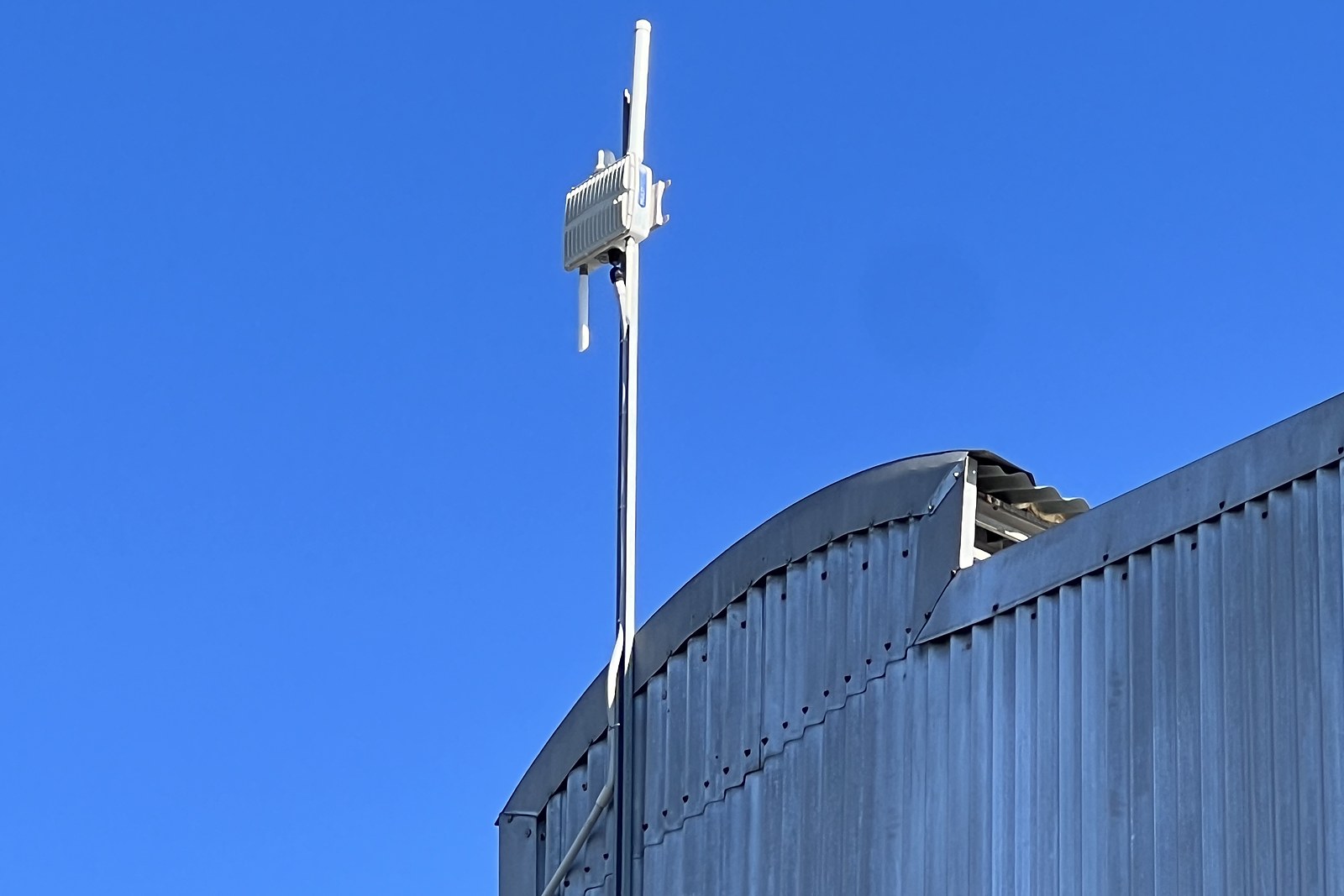
A privacy-first, LoRaWAN-based people counting solution was deployed across the precinct and surrounding riverfront areas. Low-cost sensors were installed on buildings and light poles using a mix of mains and solar power.
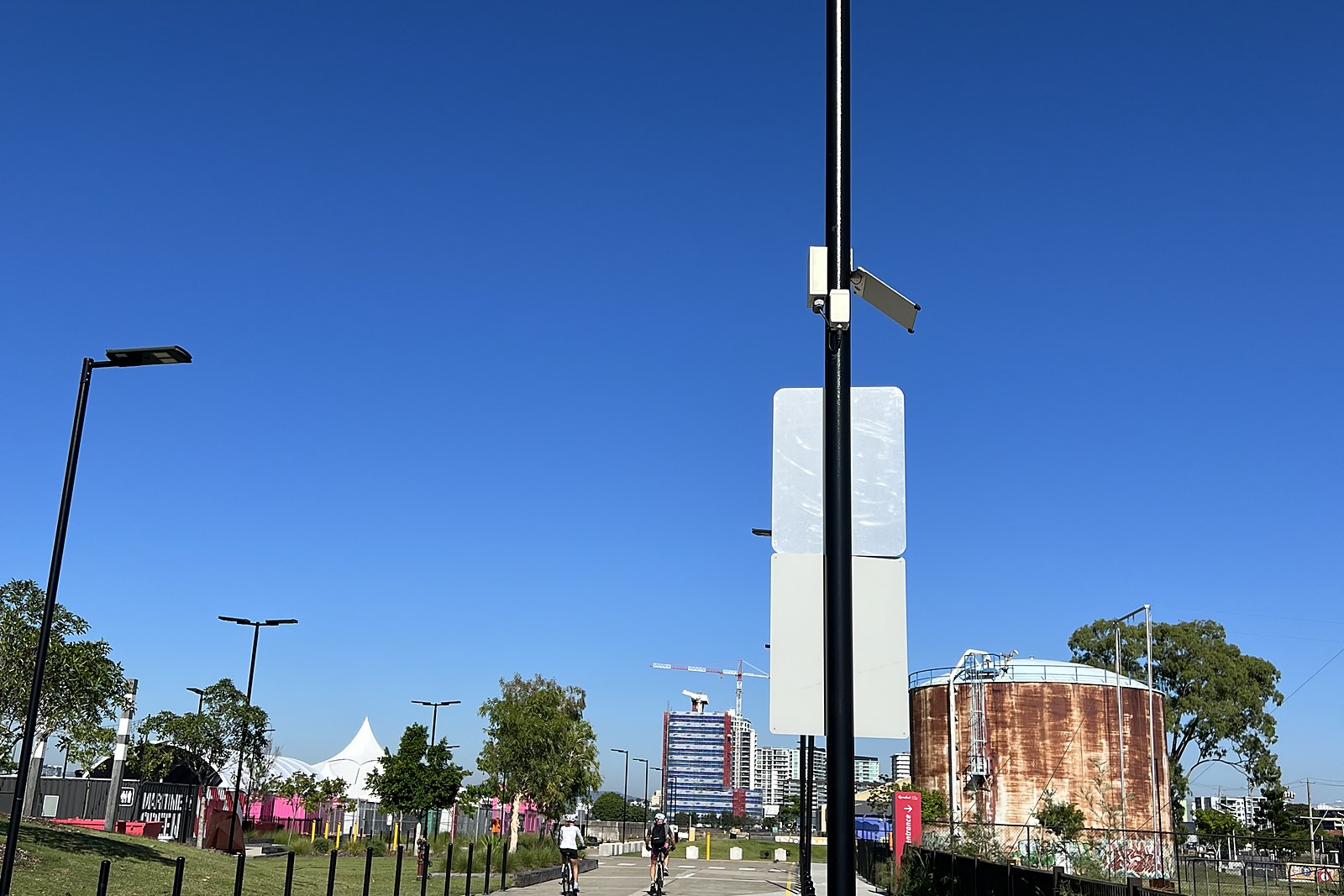
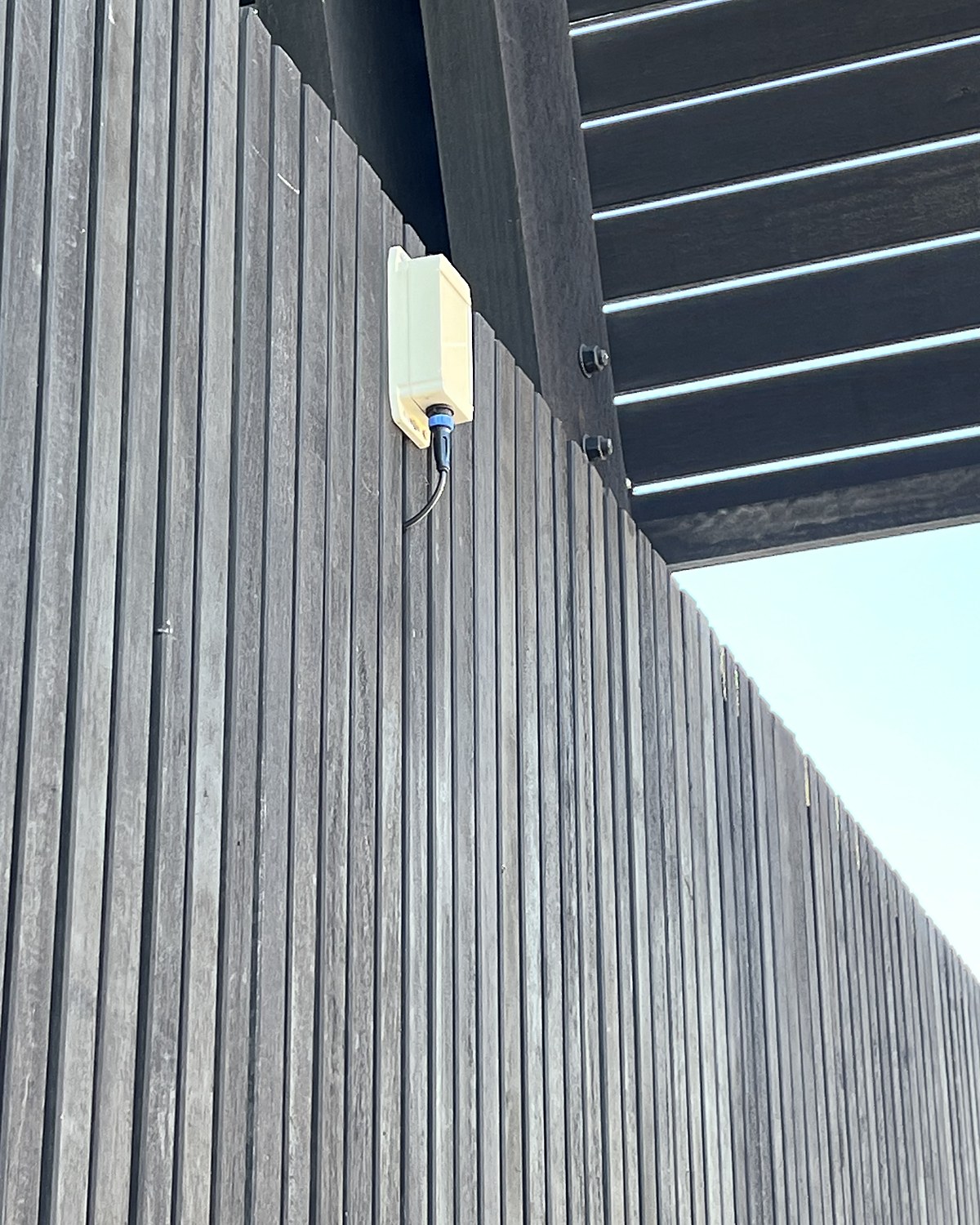
The solution delivered fully anonymised, aggregated footfall and dwell-time data to a secure, cloud-hosted Platform, operating continuously with minimal infrastructure and no impact on customer privacy.
The Outcome
Over multiple years of operation, the solution has provided 24/7 insight into visitor volumes, movement patterns and space utilisation. These insights have supported smarter event planning, improved maintenance efficiency and informed long-term precinct planning.
The data has helped guide decisions around future residential development, hospitality expansion, transport access upgrades and broader precinct revitalisation initiatives.
The result: evidence-based decision-making, reduced operational uncertainty and a scalable, privacy-safe approach to understanding how people use complex public spaces.
The same privacy-first approach runs at a capital city waterfront precinct on the other side of the country.
Five years of continuous data turns a precinct's own history into its planning evidence.