Context
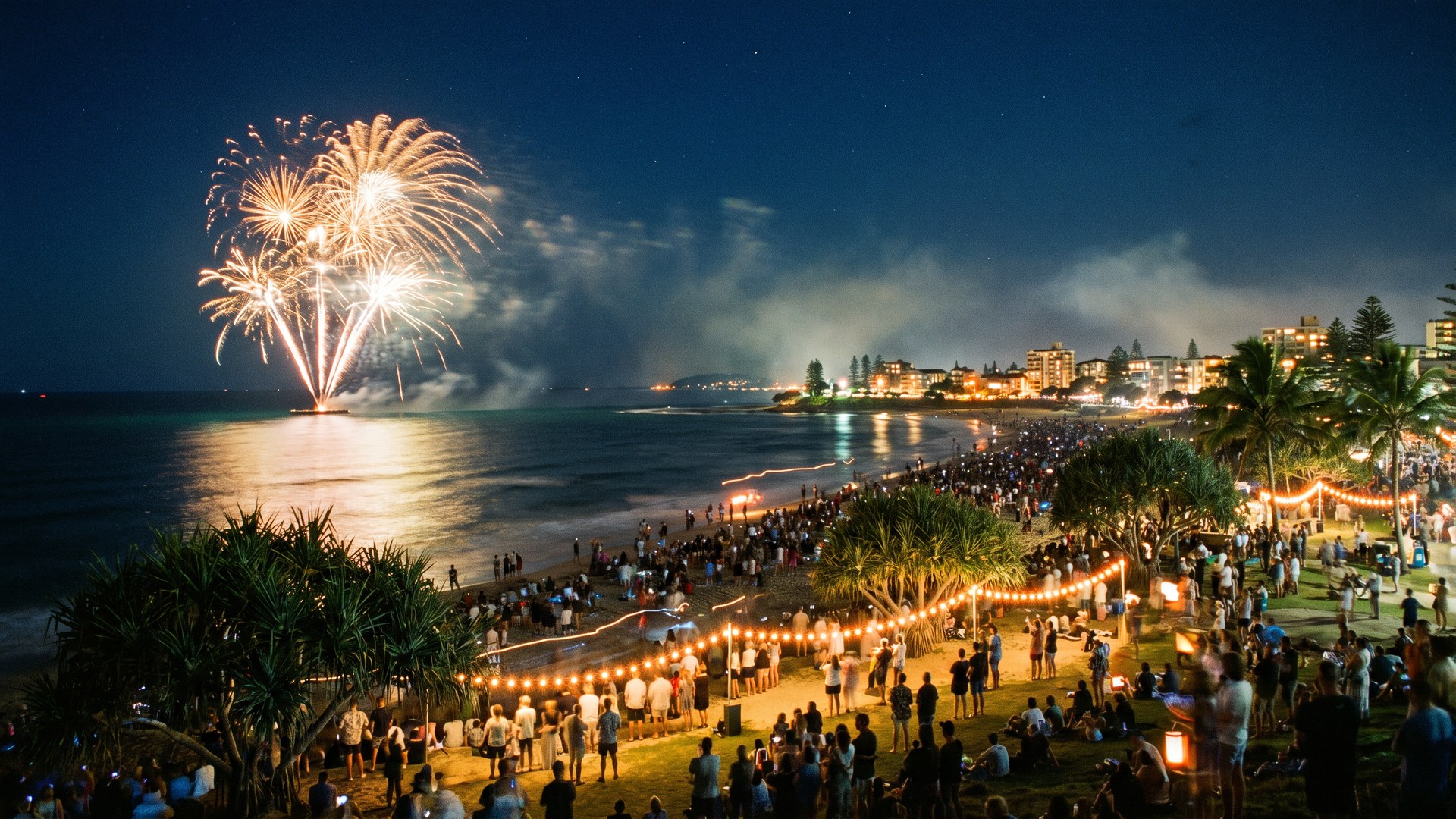
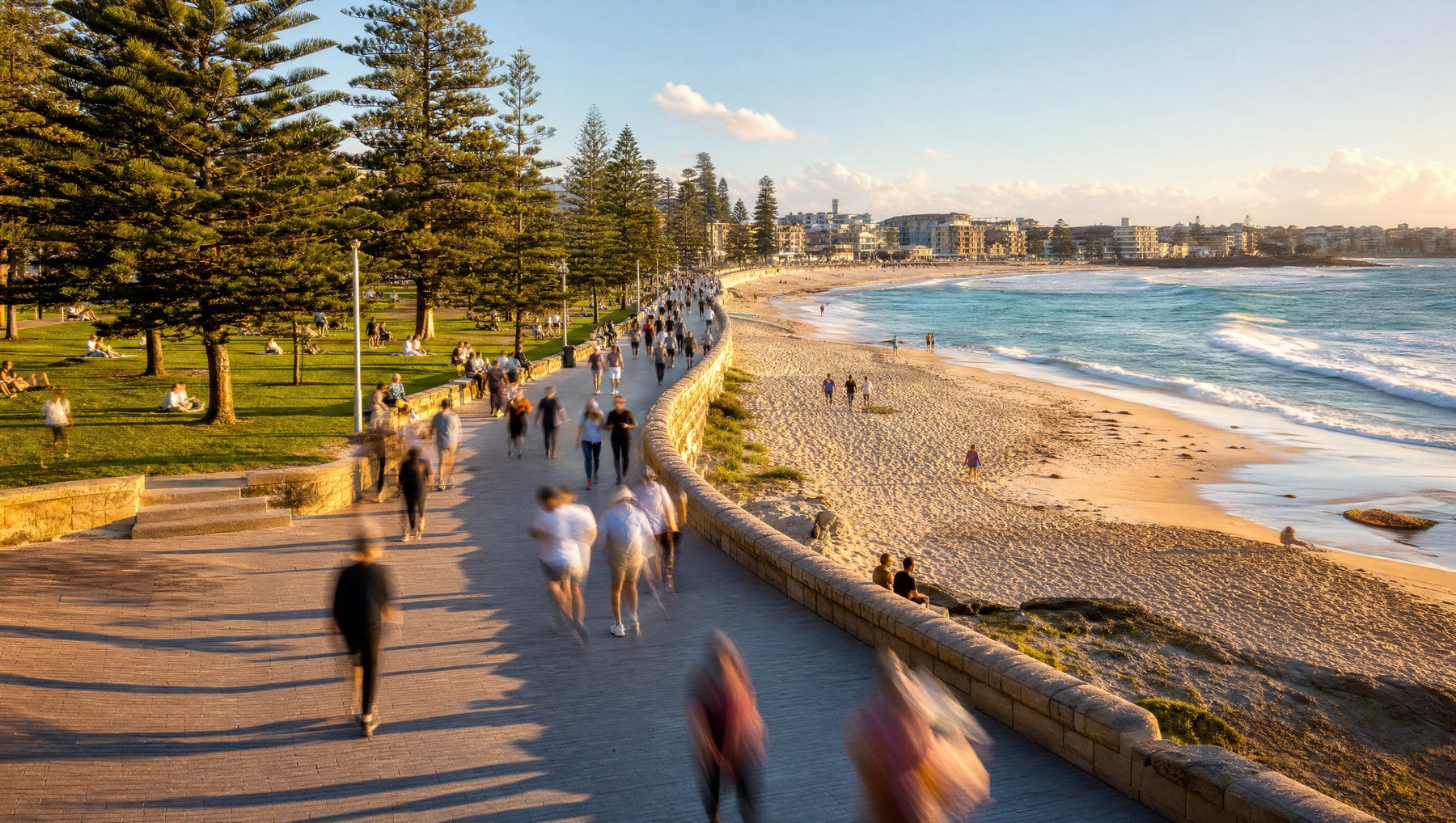
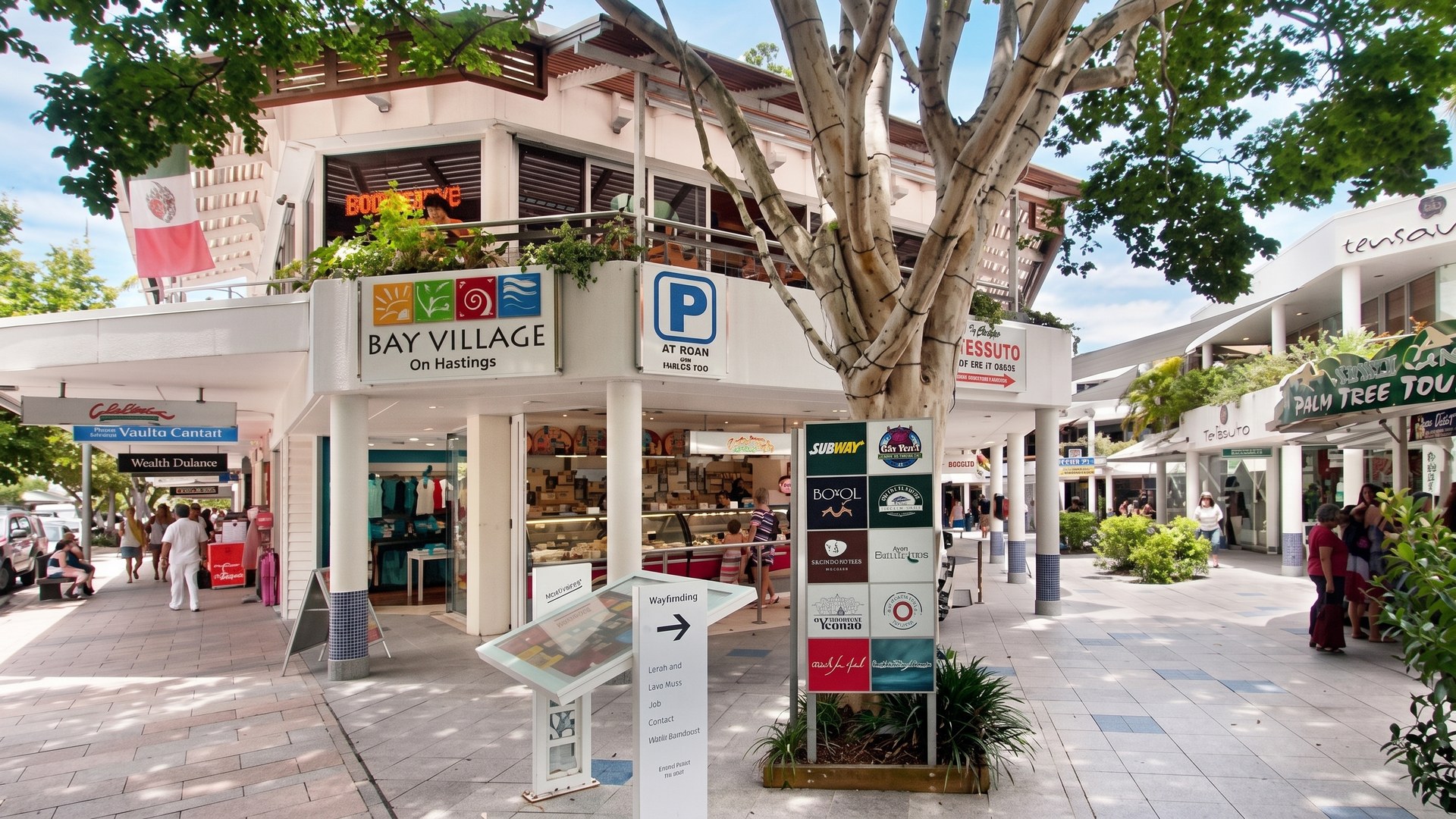
A premier Australian holiday destination renowned for its pristine beaches and year-round warm climate attracts high visitor volumes, particularly during Christmas, New Year and school holiday periods. Its vibrant strip shopping precincts are popular hubs for dining, retail and entertainment, serving both tourists and the local community.
The local council has been an early adopter of smart city initiatives for more than a decade, earning multiple innovation awards. As part of its ongoing digital transformation program, Council deployed digital street kiosks with large-format displays to promote local traders, events, attractions and visitor information across key tourism precincts.
The Challenge
Council needed to ensure kiosks were positioned for maximum visibility and engagement while also supporting broader precinct management. Key objectives included understanding real-time pedestrian volumes, helping traders align opening hours with peak footfall, measuring dwell times around seating and landscaped areas, optimising cleaning and amenity servicing, managing parking and traffic demand, and evaluating the impact of markets and community events.
The solution needed to be accurate, discreet, aesthetically aligned with kiosk design, powered directly from the kiosk, and operate without collecting personal data or using vision-based technology.
The Solution
Building on its existing deployment of more than 30 nCounter devices, Council integrated a privacy-preserving nCounter sensor directly into the digital kiosk design. Installed within a purpose-built IP67-rated enclosure, the device is powered by the kiosk and transmits anonymised footfall and dwell data via LoRaWAN to Council's Platform.
The Outcome
Data began reporting immediately, delivering 24/7 insight into pedestrian movement and dwell behaviour. The insights now inform future kiosk placement, trader operating hours, precinct activation, transport planning and service delivery.
Council also plans to share insights with local traders and the community, supporting evidence-based placemaking, economic vitality and an improved visitor experience.
That last point is the one worth dwelling on. Footfall data held by a council is an operational input. The same data shared with the traders on the street becomes an economic development tool. The same reasoning drove a major coastal events deployment on the same network.
The best place for a sensor is inside something the community already asked for.