
Meshed provides reliable LoRaWAN connectivity supporting environmental monitoring, fisheries research and oyster farming across New South Wales, with a focus on the estuaries that underpin one of the state's most valuable aquaculture industries. In 2023 and 2024 the NSW oyster industry produced approximately 70 million oysters, with a farm-gate value of approximately $78 million, and Meshed's connectivity helps protect the environmental intelligence surrounding these productive estuaries.
The Challenge for the NSW Oyster Industry
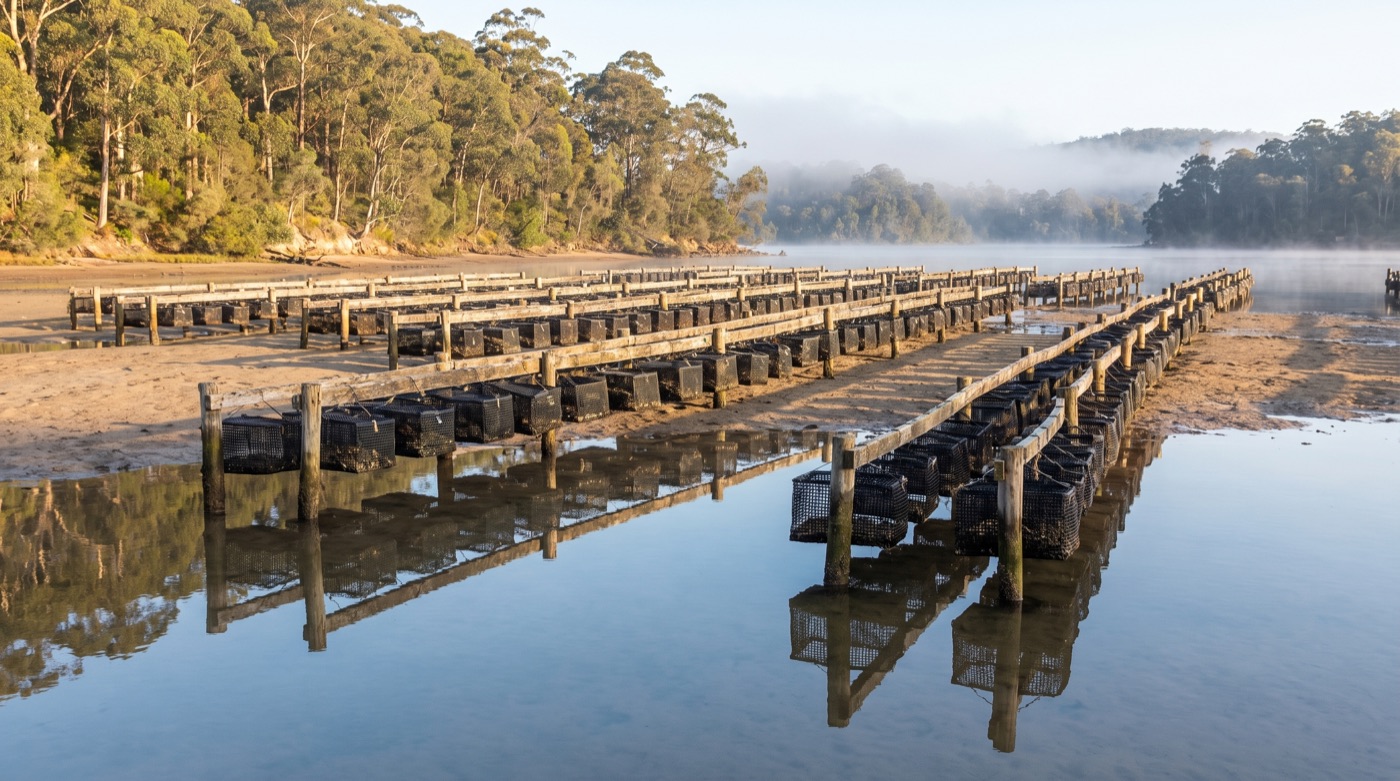
Oyster farmers operate in a dynamic environment where changes in rainfall, salinity, water temperature and extreme heat can directly affect oyster health, harvesting decisions and productivity. NSW Department of Primary Industries and Regional Development researchers initially worked with 10 oyster farmers on the Clyde River to investigate how digital technologies could provide timely information about changing river and climate conditions.
The project required reliable communications capable of connecting sensors positioned throughout challenging estuarine environments. As the value of the technology became apparent, the opportunity emerged to expand environmental monitoring into other important oyster-growing regions across the state.
A Reliable Network Across the Estuaries
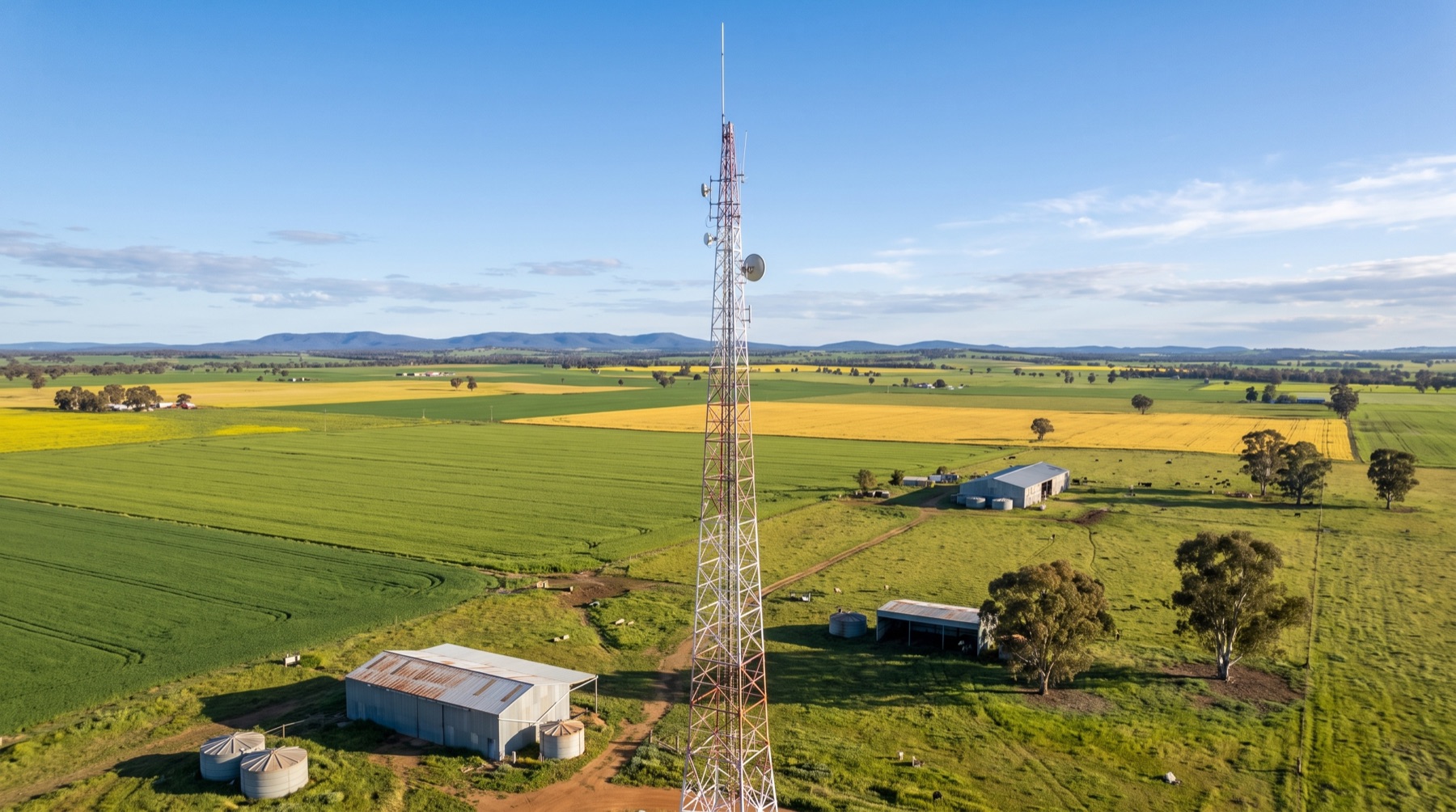
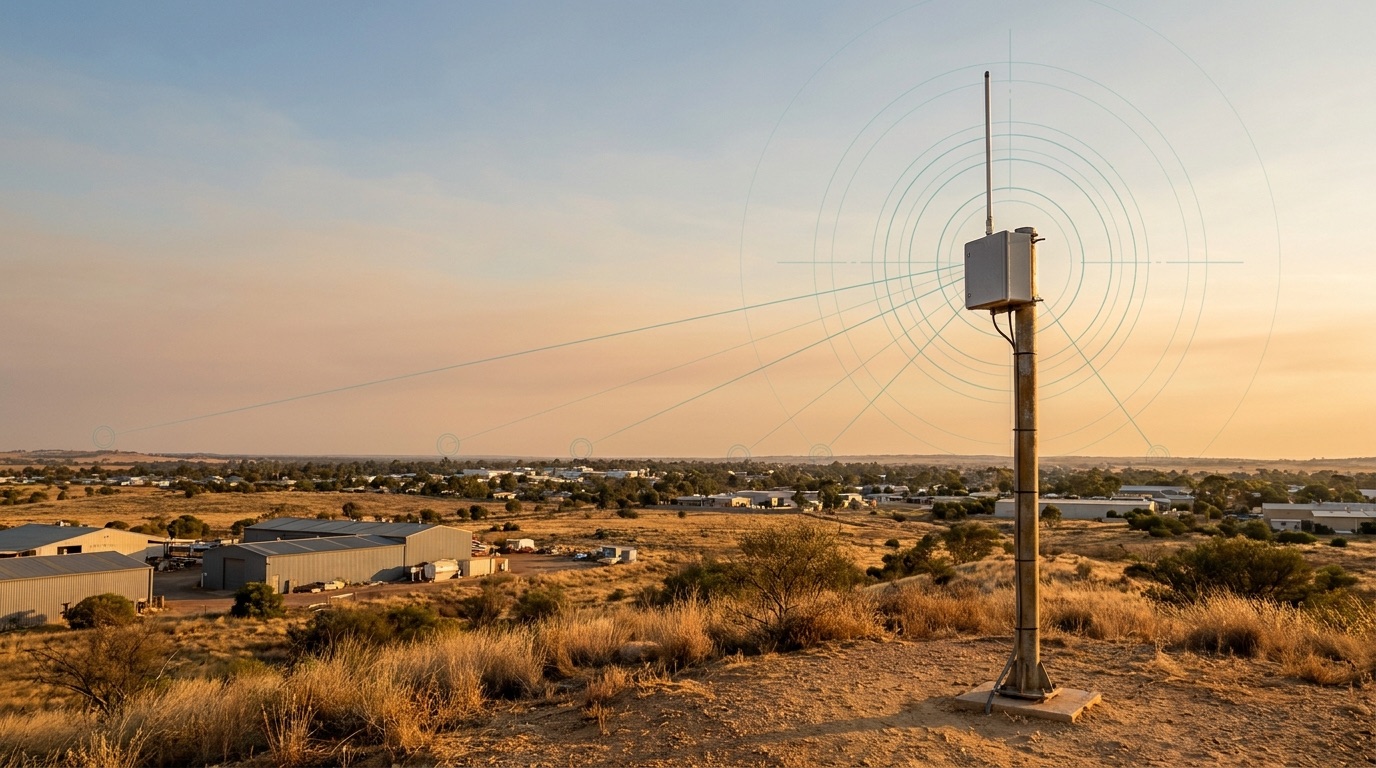
Meshed provides the LoRaWAN gateways and communications infrastructure that enable environmental data to be transmitted from remote sensors to the researchers and oyster farmers who rely on it. Meshed is responsible for a private LoRaWAN network with 99.9 per cent uptime availability, giving NSW DPIRD researchers and local growers the dependable connectivity required for ongoing environmental monitoring.
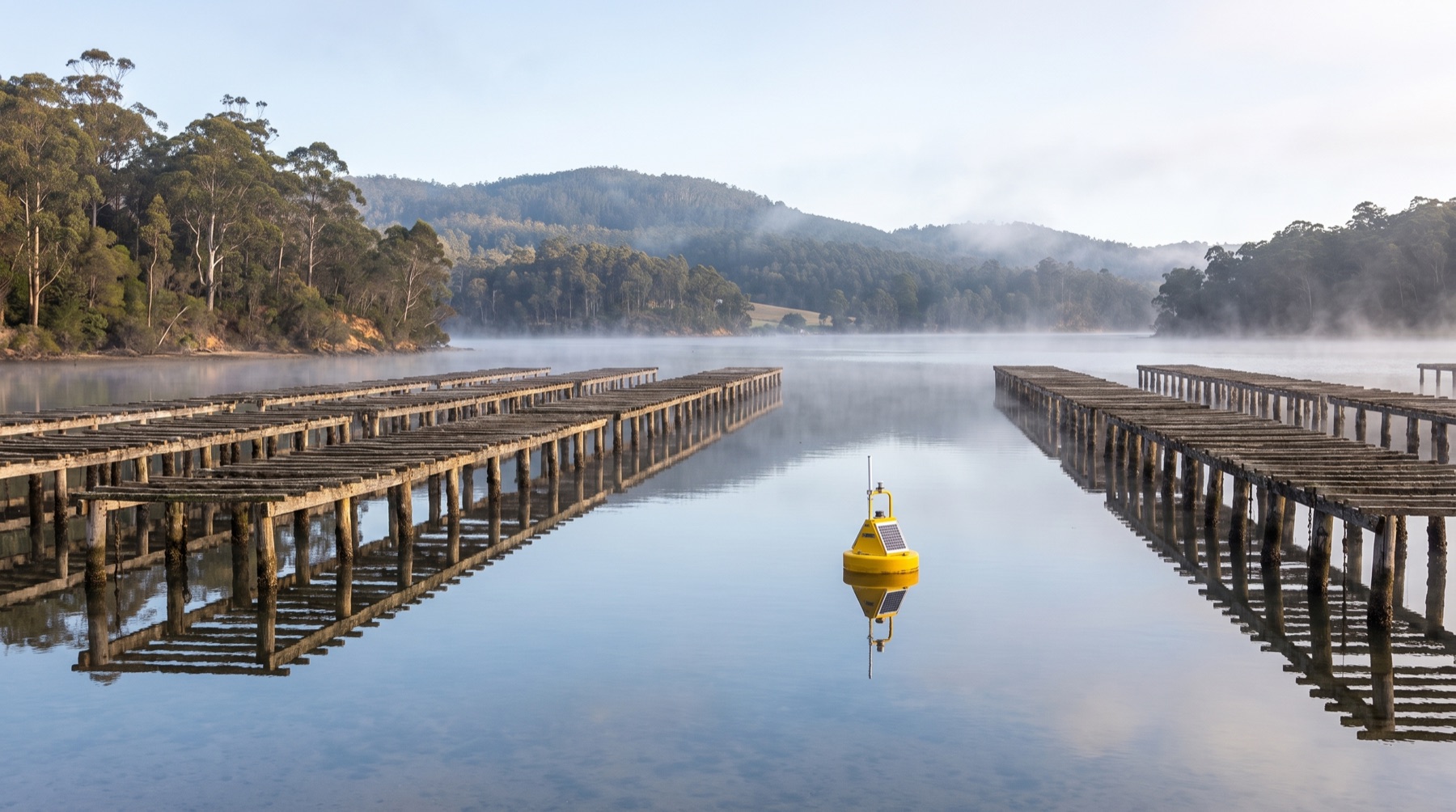
On the Clyde River, connected sensor buoys provide real-time measurements of salinity and temperature, while a local automatic weather station provides weather information more relevant to oyster-growing areas than observations from distant regional stations. The network also complements the wider LoRaWAN capability within Eurobodalla Shire, where environmental and water-quality data can be collected from distributed sensors through a common digital infrastructure.
From the Clyde River to New Estuaries
The success of the Clyde River research provided a foundation for broader adoption. The sensor design has since been replicated across NSW estuaries as part of oyster-monitoring activities, and the digital dashboard has been extended to additional estuaries and a new cohort of growers. Environmental monitoring data now includes temperature and salinity from Port Stephens, the Manning River and Wallis Lakes, extending connected environmental intelligence well beyond the original Clyde River pilot.
The Outcomes for Growers and Researchers
Reliable connectivity turns individual environmental sensors into an ongoing source of practical intelligence. Oyster farmers access timely information about salinity, temperature and weather, helping them understand how their farming environment is changing and make more informed operational decisions. For researchers, continuous environmental data provides a foundation for understanding the effects of extreme-weather events and developing new decision-support tools.
By delivering reliable gateway infrastructure and managed network connectivity, Meshed helps connect sensors in remote environments with the researchers, oyster farmers and communities that depend on their data. The result is scalable digital infrastructure that supports better environmental intelligence, more informed oyster farming and the continued expansion of water quality monitoring across NSW.
This work is part of the NSW DPIRD Climate Smart Pilots program.
NSW DPIRD Climate Smart Pilots, Fisheries Pilot, NSW Department of Primary Industries and Regional Development.
Sensors in the water, decisions on the shore. Across every estuary that needs them.