Most heavy industry already runs SCADA, control systems and a maintenance regime. The gap is rarely a lack of systems, it is the lack of continuous, real-time visibility into the condition of the assets those systems depend on. Smart asset management closes that gap, adding an always-on layer of sensing and analytics that feeds your existing platforms and shifts maintenance from reactive to predictive.
This article explains what smart asset management is, where traditional control and maintenance systems leave blind spots, and how a sensing layer complements SCADA, EAM and ERP rather than competing with them.
What Is Smart Asset Management
Smart asset management is a modern, data-driven approach to monitoring, maintaining and optimising physical assets throughout their lifecycle. By combining industrial sensors, AI-powered analytics, automation and real-time telemetry, organisations move from reactive maintenance to predictive and preventive strategies.
Using industrial-grade sensing, it provides continuous visibility into the health, performance and operational efficiency of critical infrastructure and equipment. Real-time alerts and automated workflows let engineering and maintenance teams identify issues early, reduce downtime, minimise operational risk and prevent costly failures before they occur.
Where Existing Control and Maintenance Systems Leave Blind Spots
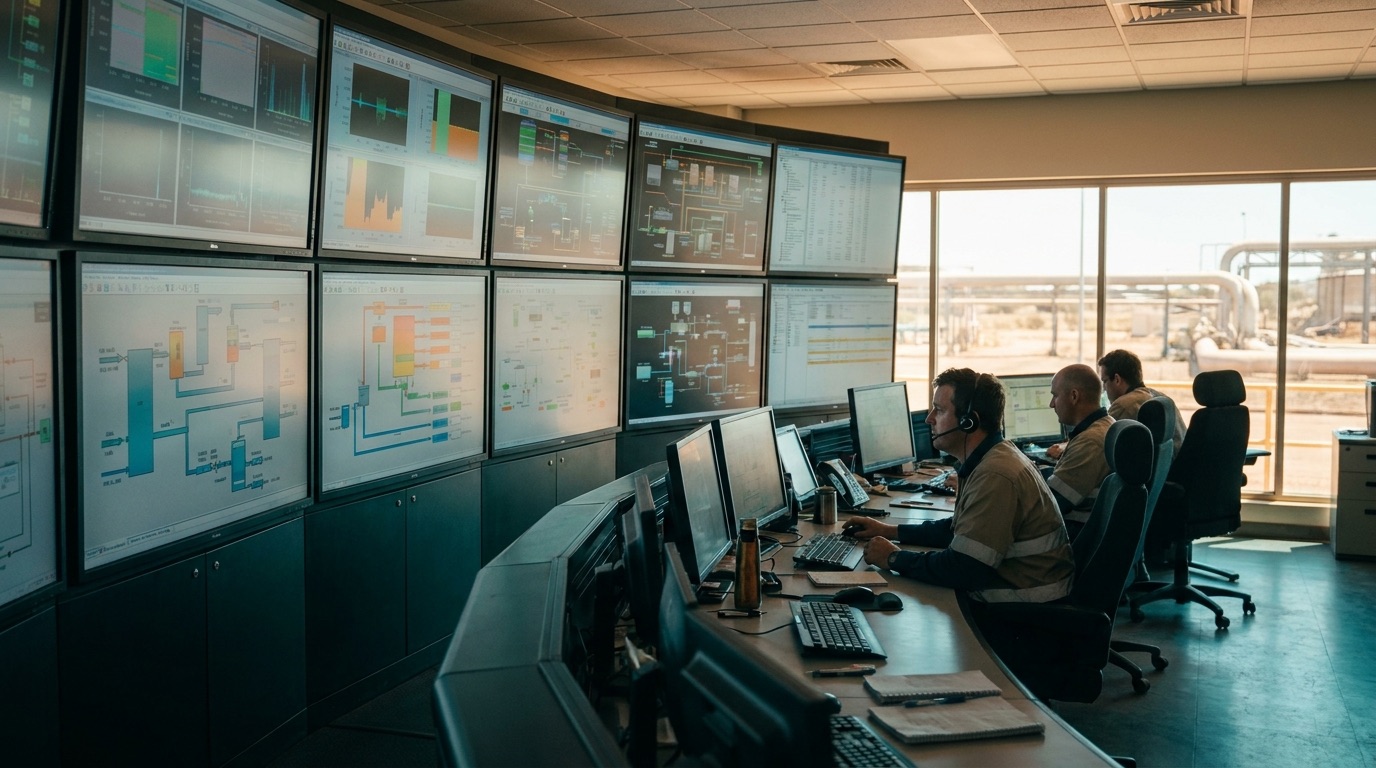
Control systems such as SCADA are built to keep a process running within set points in real time. Enterprise asset management and maintenance systems are built to plan, schedule and record work. Both are essential, and neither is going anywhere.
What neither was designed to do is continuously assess the physical condition of every pump, motor, conveyor, tank or structure in between scheduled inspections. That is where unplanned failures begin. A bearing wears, a pump cavitates, corrosion advances, and the first signal often arrives only when something trips, leaks or stops.
Time-based maintenance tries to cover that gap with fixed-interval servicing, which tends to over-maintain healthy assets while still missing faults that develop between intervals. The missing layer is condition, measured continuously and acted on early.
How Smart Asset Management Complements Your Systems
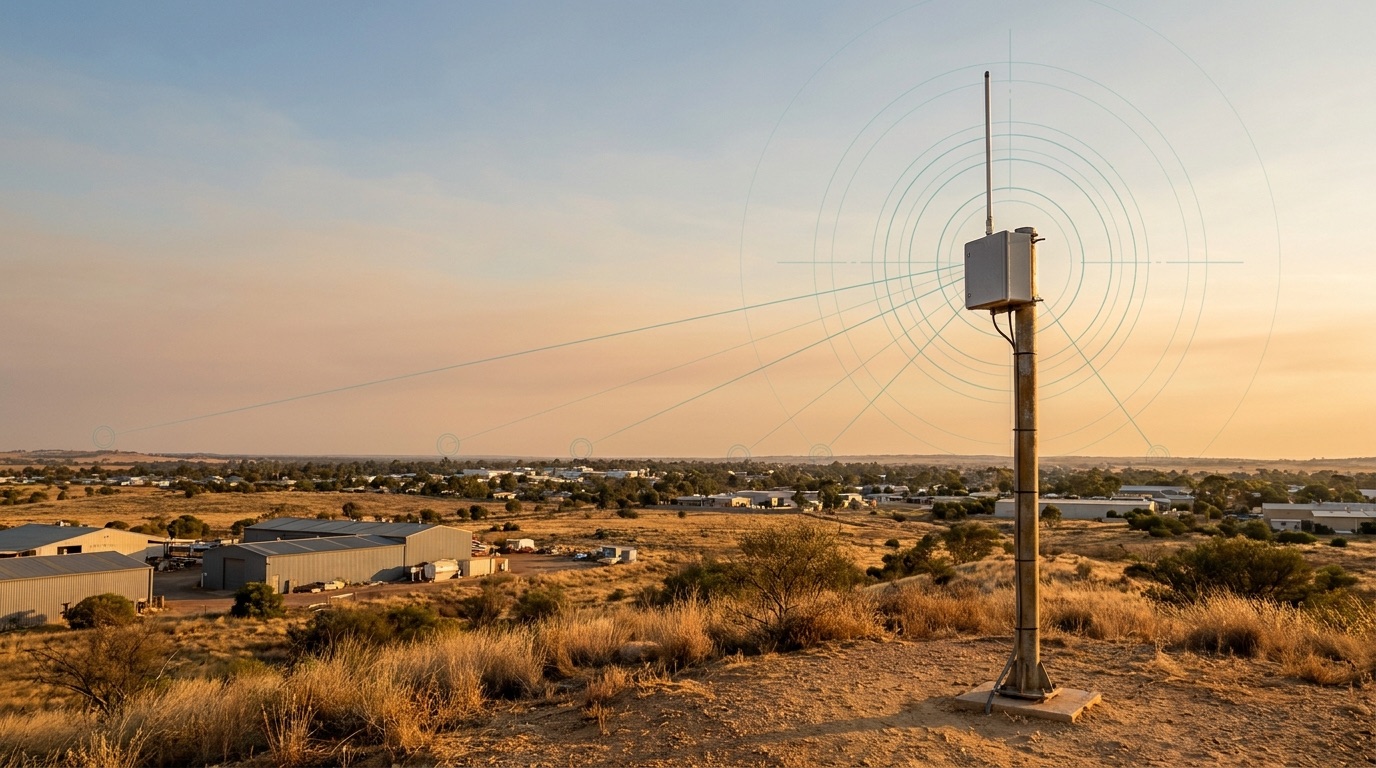
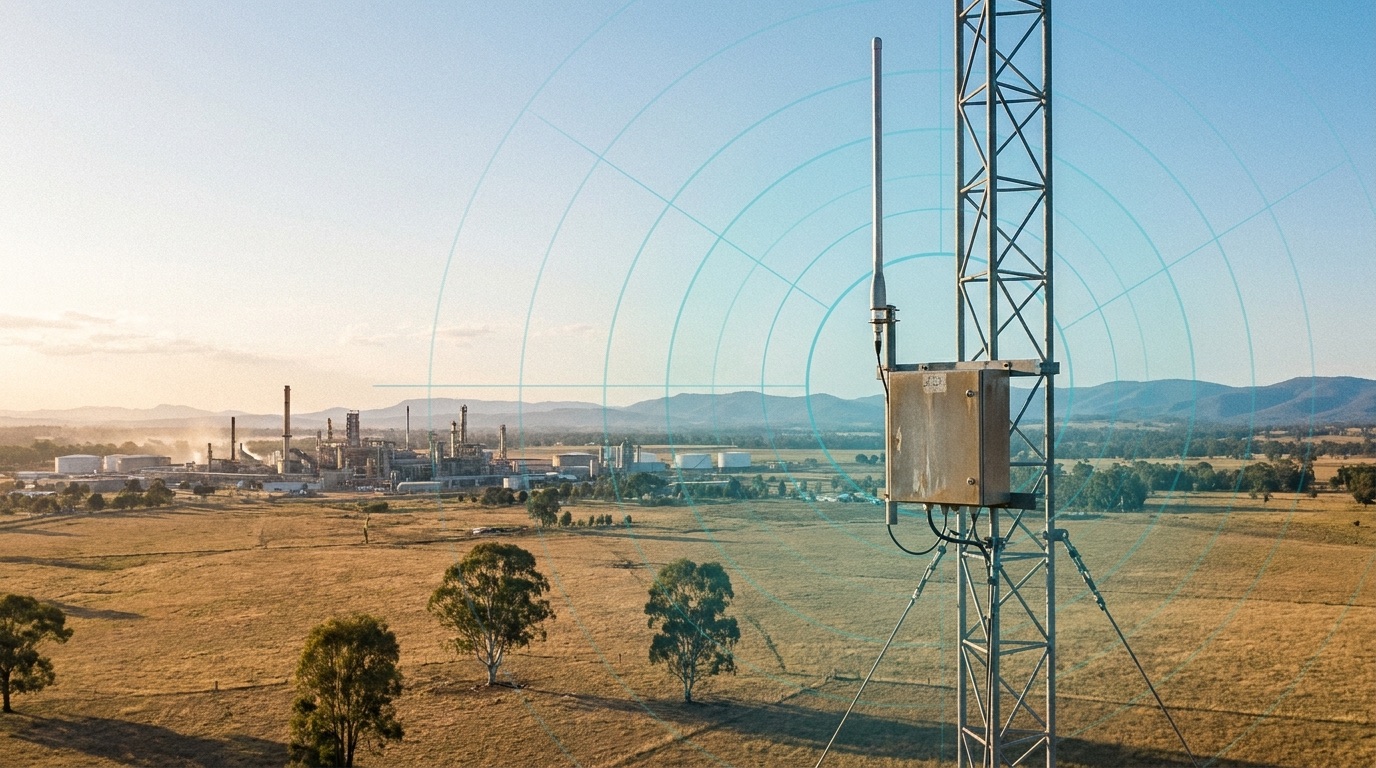
Smart asset management is a layer, not a replacement. Low-power industrial sensors monitor asset condition around the clock and feed that intelligence into the systems your teams already use. It complements your existing stack in four ways:
- It feeds your platforms, not another silo. Condition data flows into SCADA, asset management (EAM) and ERP systems, and into digital twins, through open standards and APIs.
- It fills the inspection gap. Continuous monitoring covers the time between scheduled services, so developing faults are visible as they emerge.
- It triggers your existing workflows. Real-time alerts and thresholds raise work in your maintenance system, rather than living in a separate dashboard.
- It adds prediction. AI and machine learning models turn raw sensor data into early-warning and remaining-life estimates.
As a systems integrator, Meshed provides integration pathways into proprietary and non-proprietary automation platforms, SCADA systems, predictive maintenance software, asset management and ERP systems. This embeds sensor intelligence into the workflows your teams already run, rather than creating another isolated dashboard.

There is no AI without data. Reliable, well-calibrated sensor data is the foundation of every prediction, which is why sensor selection, placement and calibration matter as much as the analytics that sit on top. Open standards from the device to the application layer keep that data interoperable with the platforms, digital twins and analytics tools you choose.
What Smart Asset Management Monitors
The same sensing layer covers a broad range of fixed and mobile assets. Common applications include:
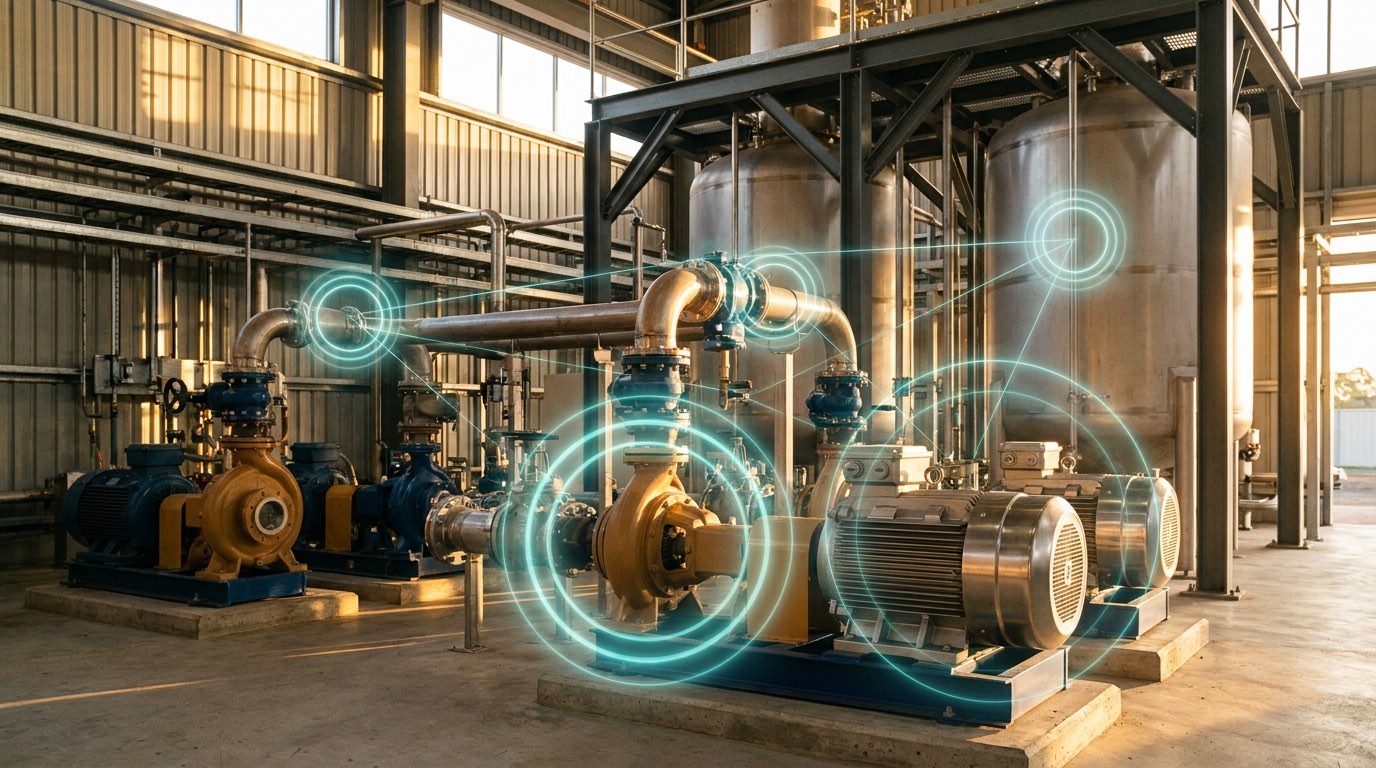
- Predictive maintenance: vibration monitoring for early fault detection in pumps, motors and conveyors, temperature and pressure tracking to prevent overheating and breakdowns, and automated lubrication alerts.
- Condition-based monitoring: corrosion and structural health for pipelines, tanks and structures, battery and energy monitoring, and environmental and air-quality sensing for compliance.
- Remote tracking and utilisation: GPS tracking of high-value mobile assets, and usage monitoring so maintenance follows actual activity rather than the calendar.
- Smart utilities: digital water and energy metering, leak and flood detection, and voltage and current monitoring of electrical assets.
The Outcomes
Layered onto existing systems, smart asset management delivers measurable operational gains:
- Reduced unplanned downtime and maintenance costs
- Improved operational safety, compliance and risk management
- Extended asset life and improved infrastructure reliability
- Operational performance optimised on real-time insight
- Earlier issue detection through predictive maintenance
- Better sustainability through smarter resource management
- Greater efficiency across distributed and remote operations
Getting Started
You do not have to replace anything to begin. A proof of value can start on a handful of critical assets to prove the condition data and the integration, then scale, using out-of-the-box industrial IoT starter kits and a curated sensor catalogue. The systems you rely on stay in place, they simply start seeing further.
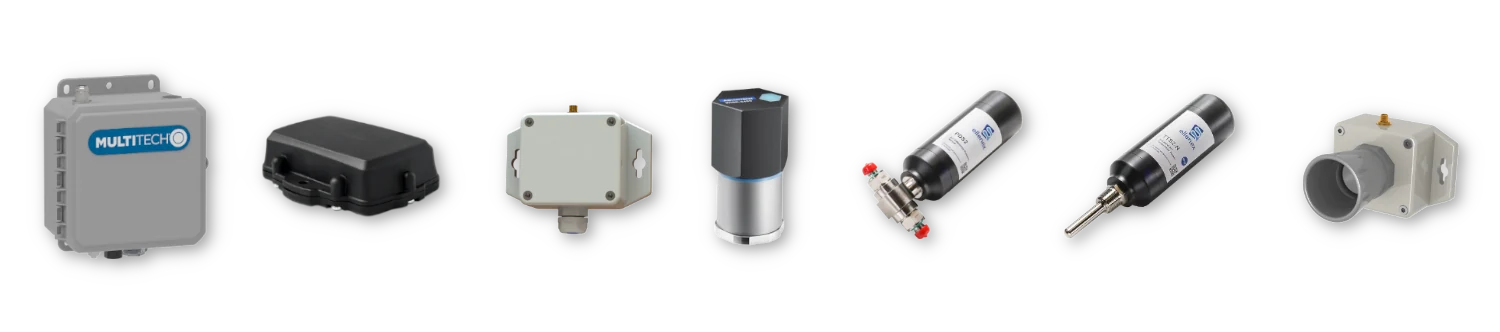
Start small, then scale
Prove the condition data and the integration on a handful of critical assets with an out-of-the-box industrial IoT starter kit, then extend across the estate on the same network.