Choosing the right connectivity is one of the first and most consequential decisions in any industrial IoT program. For distributed sensing across large sites, the realistic choice usually comes down to LoRaWAN or cellular, meaning NB-IoT and LTE-M. The right answer depends on four things: power, cost, coverage, and who controls the network.
Cellular is not the enemy of LoRaWAN. Both are proven, and the strongest deployments often use them together. The goal is simply to match the network to the job, and this article compares the two fairly so you can.
The Connectivity Challenge in Industrial IoT
Industrial assets are rarely conveniently located. They are spread across large sites, buried underground, pushed to remote corners, or tucked deep inside steel-framed buildings where signals struggle. A serious sensing program may involve hundreds or thousands of low-power devices, and each one needs to send data reliably, securely and affordably for years, usually without running new cable.
That combination, many devices, long battery life, hard-to-reach coverage and low cost at scale, is exactly where the choice of network matters most. Get it right and the data flows quietly for years. Get it wrong and you pay for it in batteries, SIM plans and coverage gaps.
How LoRaWAN Works
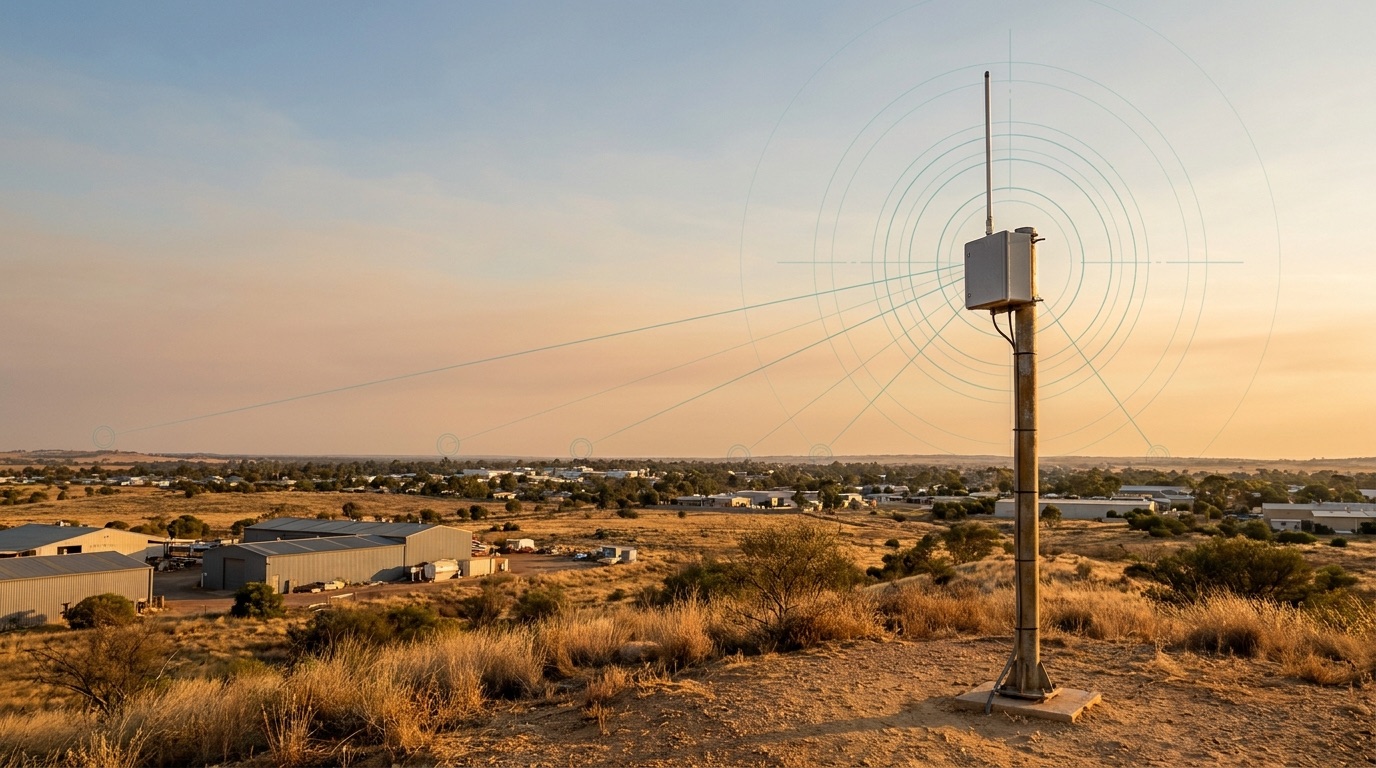
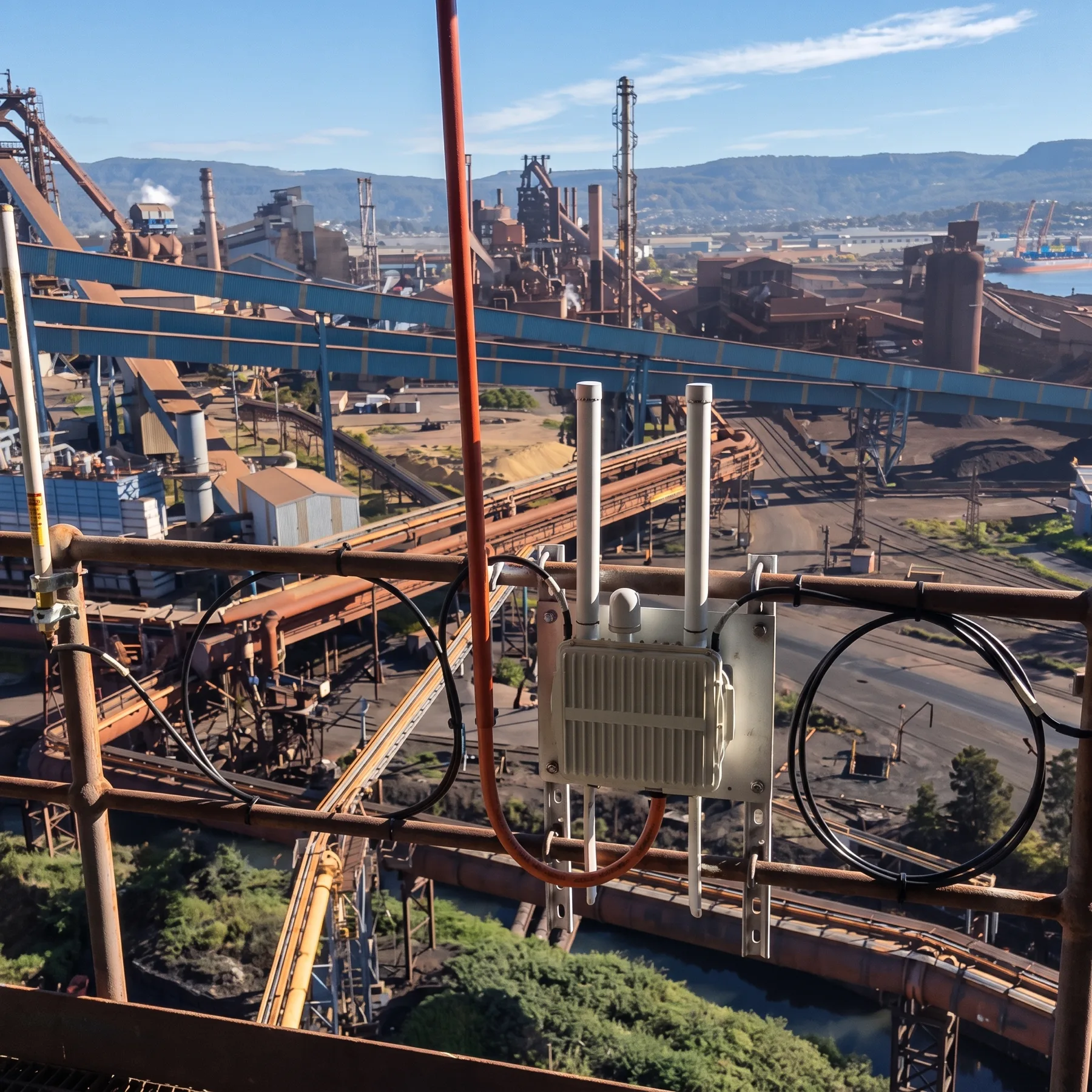
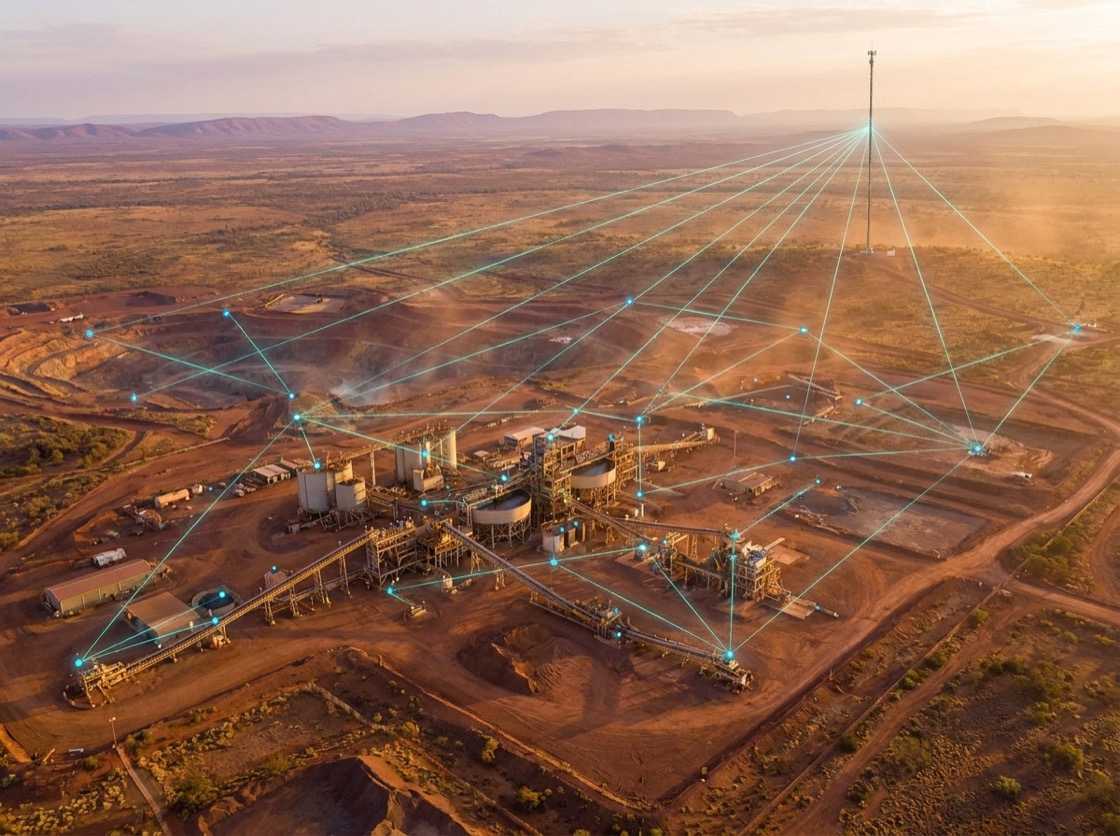
LoRaWAN is a low-power wide-area network technology. It runs on unlicensed spectrum, reaches long distances, and penetrates deep inside industrial structures, so a handful of gateways can cover an entire site. Sensors send small packets and sip power, which is how they last for years on a single battery.
Critically, you can own the network. LoRaWAN can be deployed as a private network you control, with end-to-end AES-128 encryption from device to application, and gateways that backhaul to a network server over ethernet, cellular or satellite. There are no SIM cards in the end devices and no per-device data plans.
How Cellular IoT Works (NB-IoT and LTE-M)
Cellular IoT uses licensed spectrum operated by carriers. NB-IoT is built for low-bandwidth, fixed devices, while LTE-M adds mobility and higher throughput. Each device carries a SIM and connects through the carrier's network, so wherever the carrier footprint reaches, you have coverage without building any infrastructure of your own.
That convenience is the trade-off. You depend on the carrier for coverage and pricing, you manage SIMs and recurring data plans across the fleet, and indoor or remote performance varies with the carrier's footprint rather than with where you choose to place equipment.
LoRaWAN vs Cellular, Compared
The two technologies optimise for different things. The table below sets the practical differences side by side for an industrial sensing program.
| Capability | LoRaWAN | Cellular (NB-IoT / LTE-M) |
|---|---|---|
| Spectrum | Unlicensed, sub-GHz | Licensed, carrier operated |
| Network ownership | Public or private, you control | Carrier managed |
| Battery life | Excellent, multi-year | Good |
| Deep indoor / remote coverage | Strong, you place the gateways | Variable by carrier footprint |
| Deployment speed | Fast on private sites | Depends on carrier coverage |
| Operating cost at scale | No per-device SIM or data plans | Recurring SIM and data per device |
| SIM management | Not required | Required |
| Bandwidth | Low, small payloads | Higher |
| Best fit | Fixed, dense, distributed sensing | Mobile assets, wide-area carrier IoT |
When to Choose Which
Neither technology is universally better. The decision comes down to the shape of your deployment.
When cellular is the better fit
- Assets are mobile or roam beyond a fixed site
- You need higher bandwidth or frequent firmware-over-the-air updates
- You would rather not run any network infrastructure of your own
- Devices are sparse and spread across wide, carrier-covered geography
When LoRaWAN is the better fit
- Many fixed sensors across a site, plant or campus
- Multi-year battery life is a hard requirement
- You need private control, data sovereignty and predictable cost
- Coverage is difficult: deep indoor, underground or remote
- Low total cost of ownership at scale matters, with no SIMs to manage
Match the network to the job
We run managed LoRaWAN networks and integrate with cellular backhaul. Talk to a team that has deployed both, at scale.
Why LoRaWAN Suits Distributed Industrial Sensing
For the dense, fixed, battery-powered sensing that defines condition monitoring, metering and environmental programs, LoRaWAN's economics, battery life and private control are hard to beat. You place the gateways where you need coverage, you own the data, and you avoid a SIM and a data plan on every device.
That does not make cellular redundant. The two work well together: cellular is often the ideal backhaul for a LoRaWAN gateway, and the right tool for genuinely mobile assets. As a systems integrator, Meshed runs managed LoRaWAN networks and integrates cellular where it fits, so the decision is about the job, not the brochure.