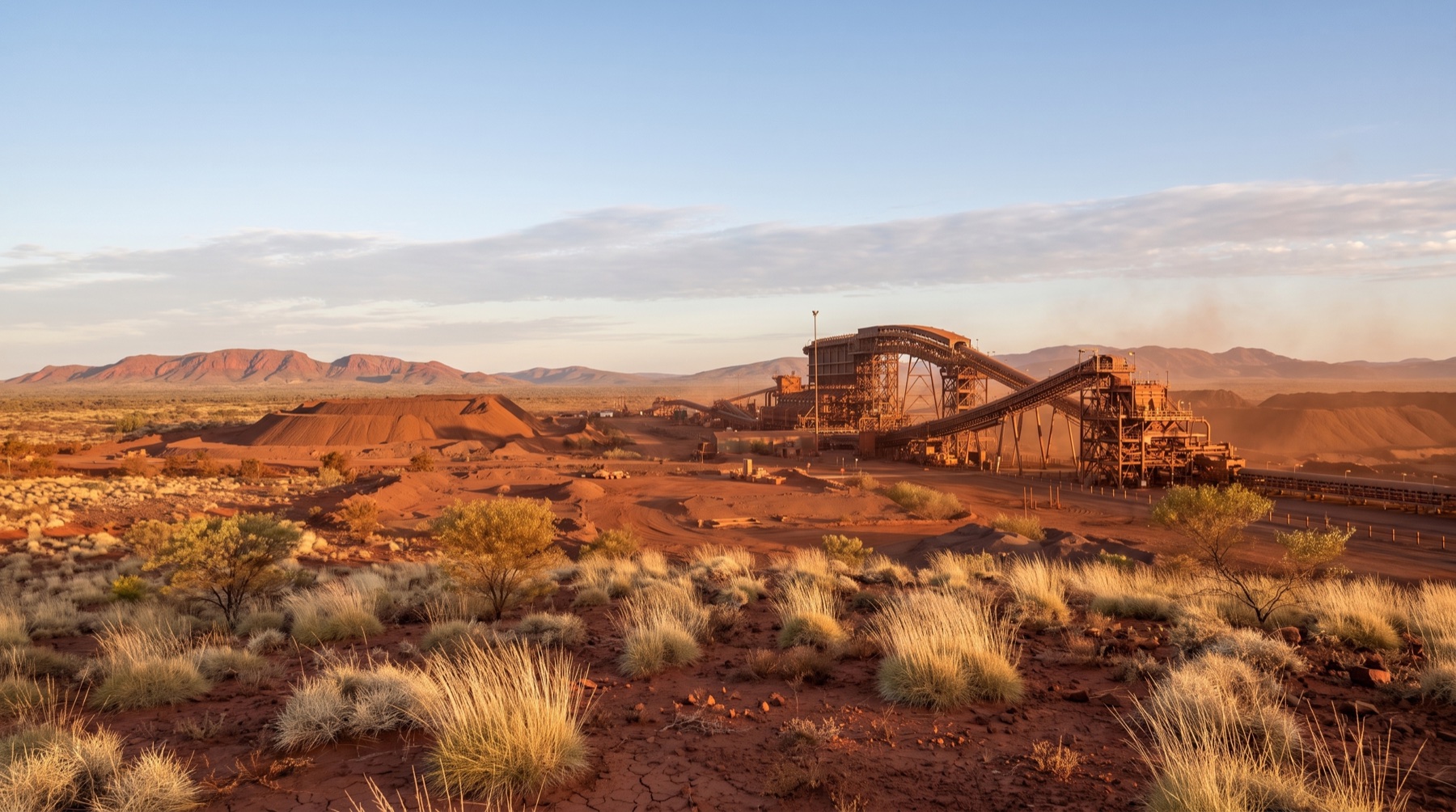
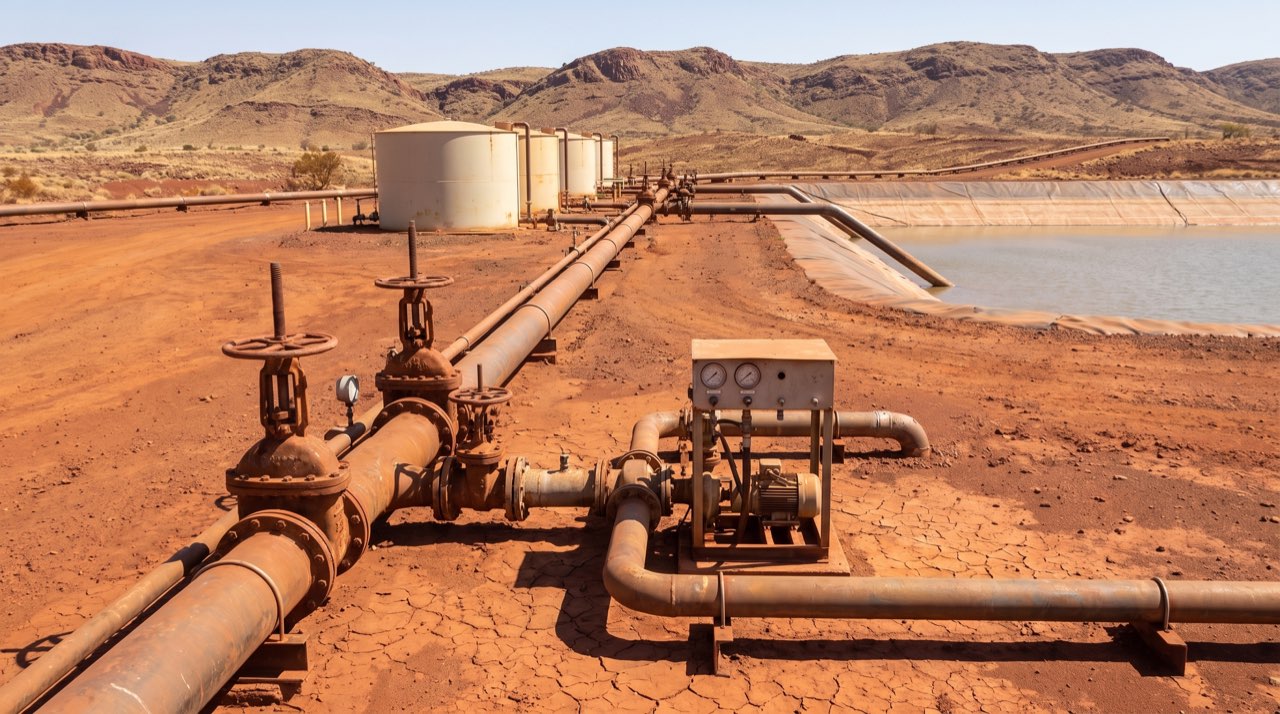
A major Western Australian lithium mining operation needed continuous visibility of remote water and wastewater infrastructure spread across a dispersed Pilbara site. Meshed deployed a private industrial LoRaWAN network and connected IoT sensors that now capture pressure, water quality and temperature in real time, turning bore fields, pipelines, ponds and tailings infrastructure from periodically inspected assets into a live source of operational intelligence.
The Water Challenge in Remote Lithium Mining
The Pilbara is one of the world's most significant hard-rock lithium regions, supporting large-scale spodumene production for the global battery supply chain. Western Australia produced approximately 3.8 million tonnes of spodumene concentrate in 2024, highlighting both the scale of the industry and the infrastructure required to support it.
Operating in the Pilbara presents unique challenges. Mine sites are geographically dispersed, rainfall is highly variable, groundwater resources must be carefully managed, and cyclones can disrupt water systems and critical infrastructure. At the same time, mining and processing operations depend on reliable water supplies for processing, dust suppression and other operational requirements.
For remote operations, understanding what is happening across bore fields, pipelines, pumps, ponds and tailings infrastructure is critical.
The Challenge of Dispersed Water Assets
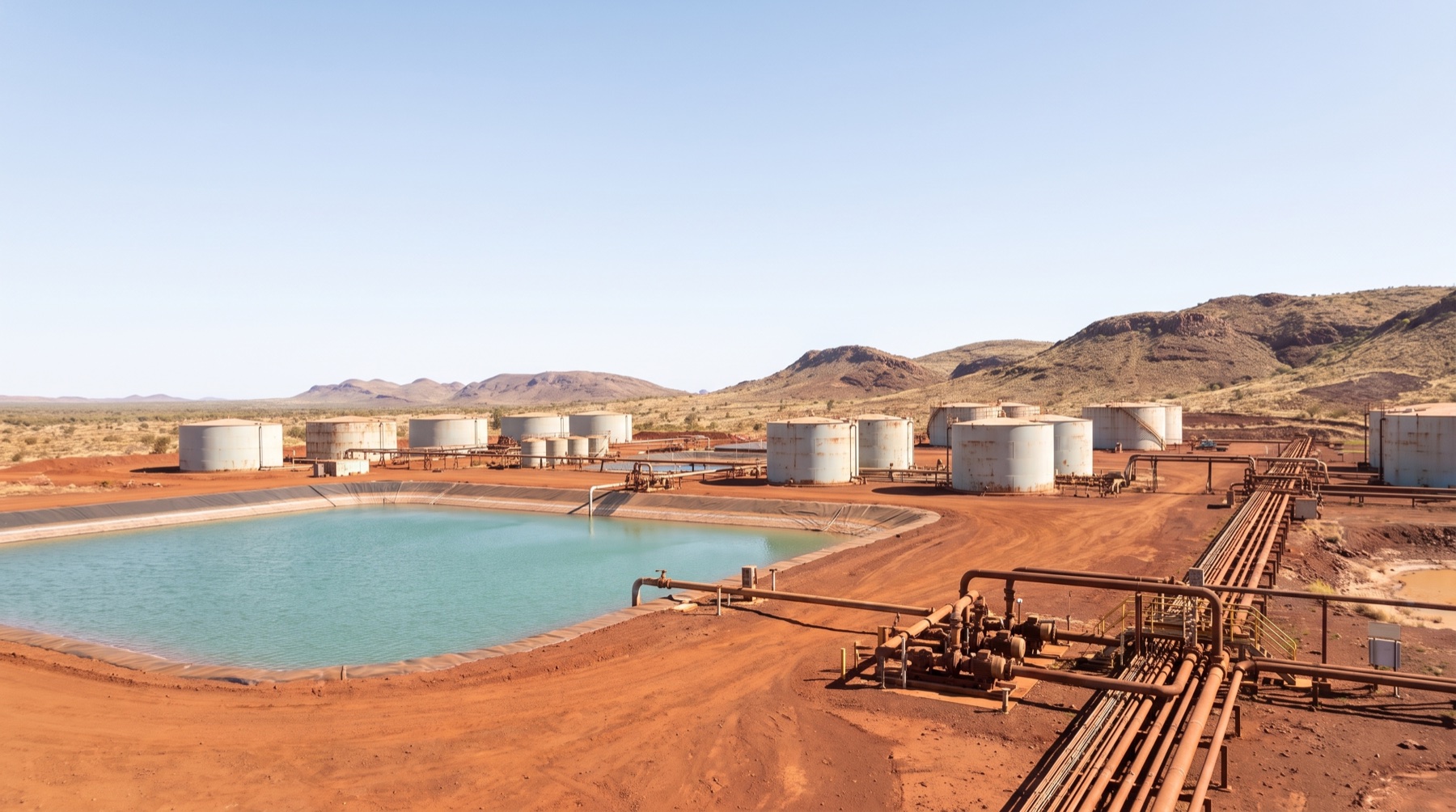
A major Western Australian lithium mining operation required greater visibility of its remote water and wastewater infrastructure. Traditional field inspections and manual water sampling provided only periodic information, requiring personnel to travel to remote assets and potentially delaying the identification of changing conditions.
The challenge was to create continuous, reliable monitoring across geographically dispersed infrastructure while complementing the mine's existing communications and asset management environment.
The Solution, a Private LoRaWAN Sensor Network
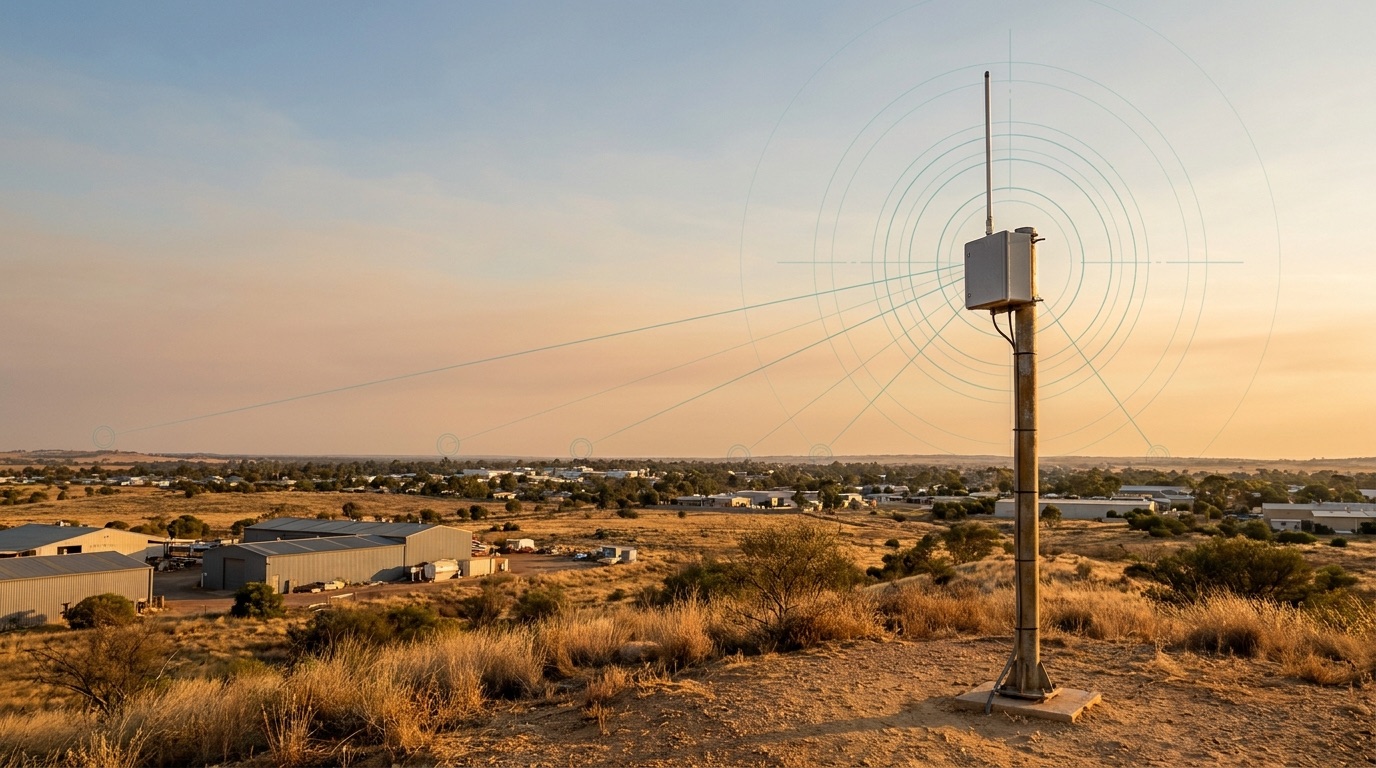
Meshed deployed a private industrial LoRaWAN network and connected IoT sensors, providing a low-power, long-range monitoring solution suited to the Pilbara's rugged and remote operating environment.
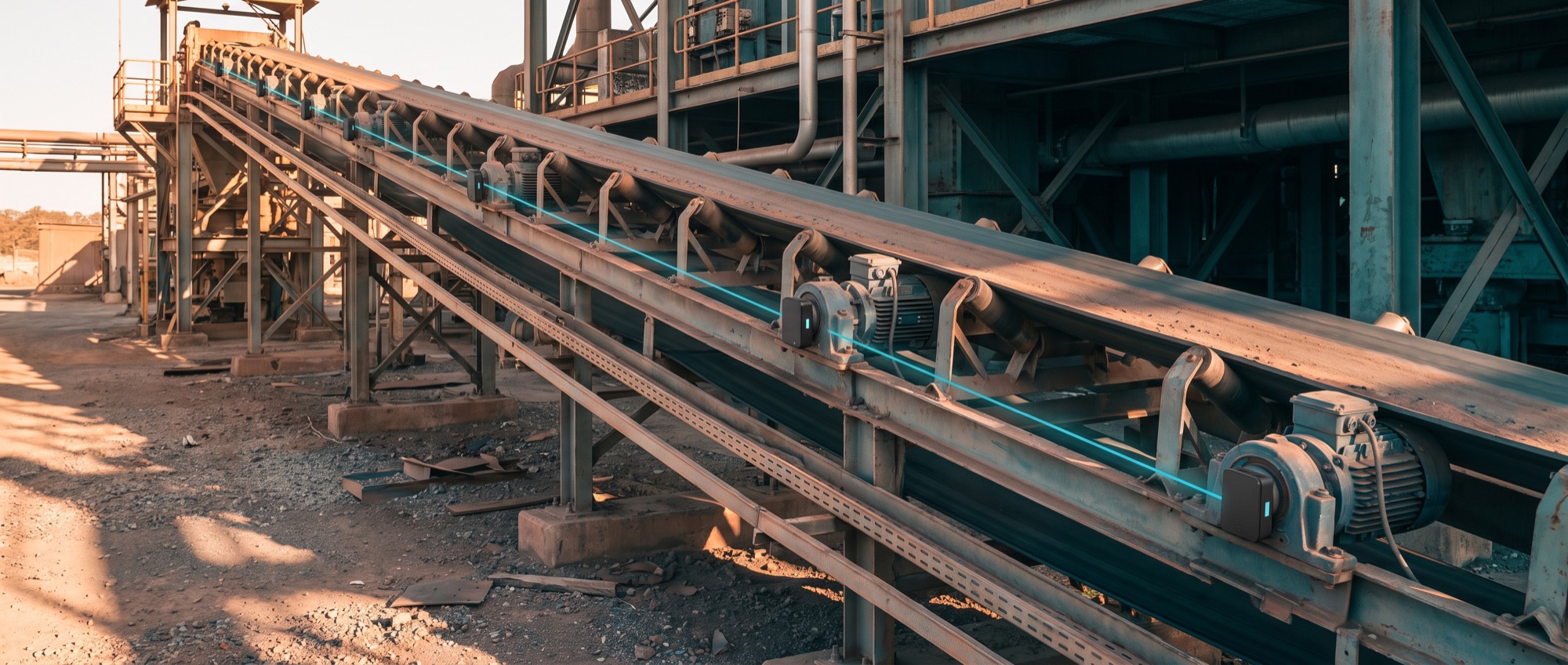
Wireless sensors continuously captured critical operational parameters, including:
- Pressure. Monitoring pipelines, pumps and water infrastructure to identify pressure changes, potential leaks and abnormal operating conditions.
- Water quality. Measuring pH, oxidation-reduction potential (ORP) and temperature to provide ongoing visibility of conditions across settlement ponds, tailings and water infrastructure.
- Temperature. Monitoring liquid and gas temperatures across pipelines, pumps and process equipment to identify abnormal conditions and support preventative maintenance.
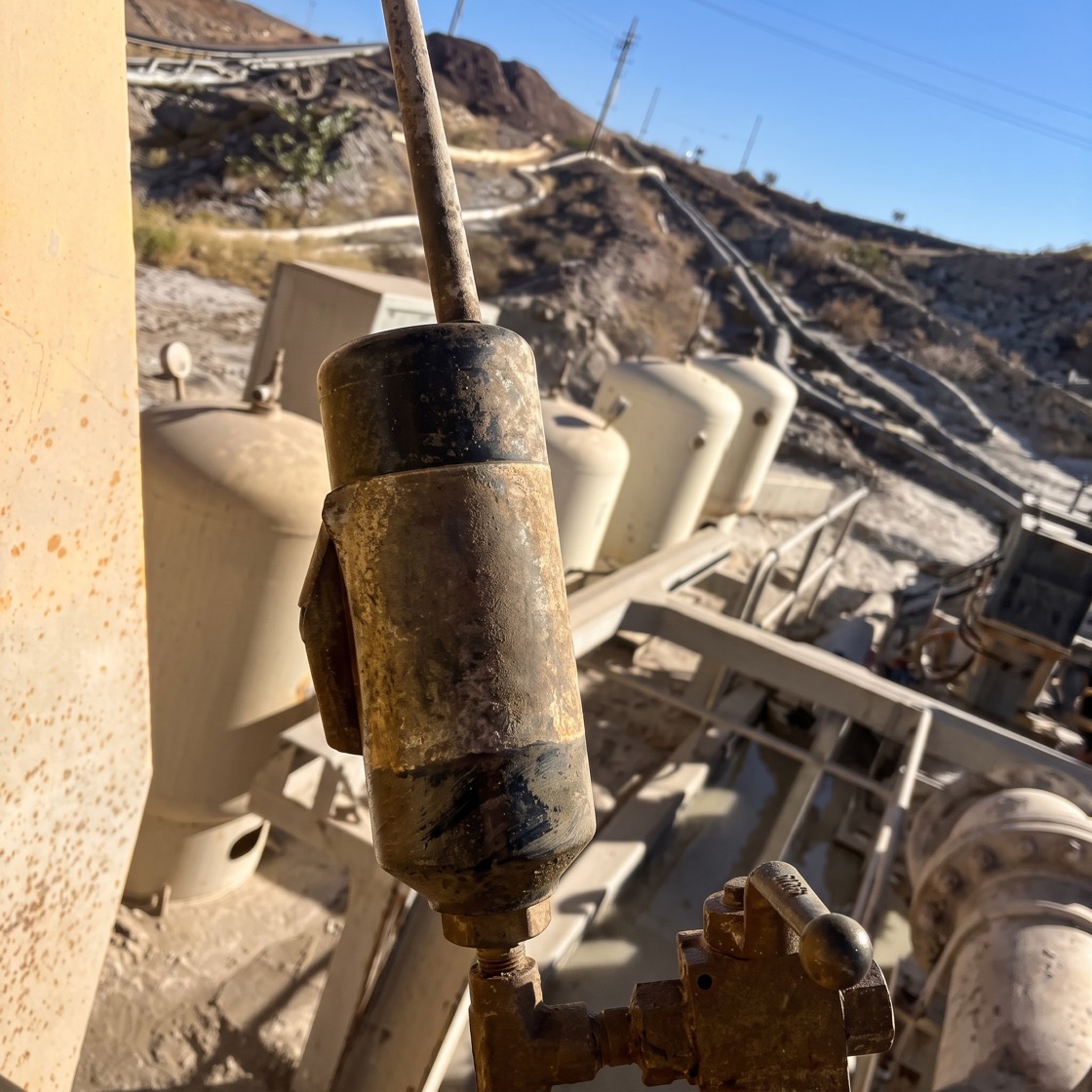
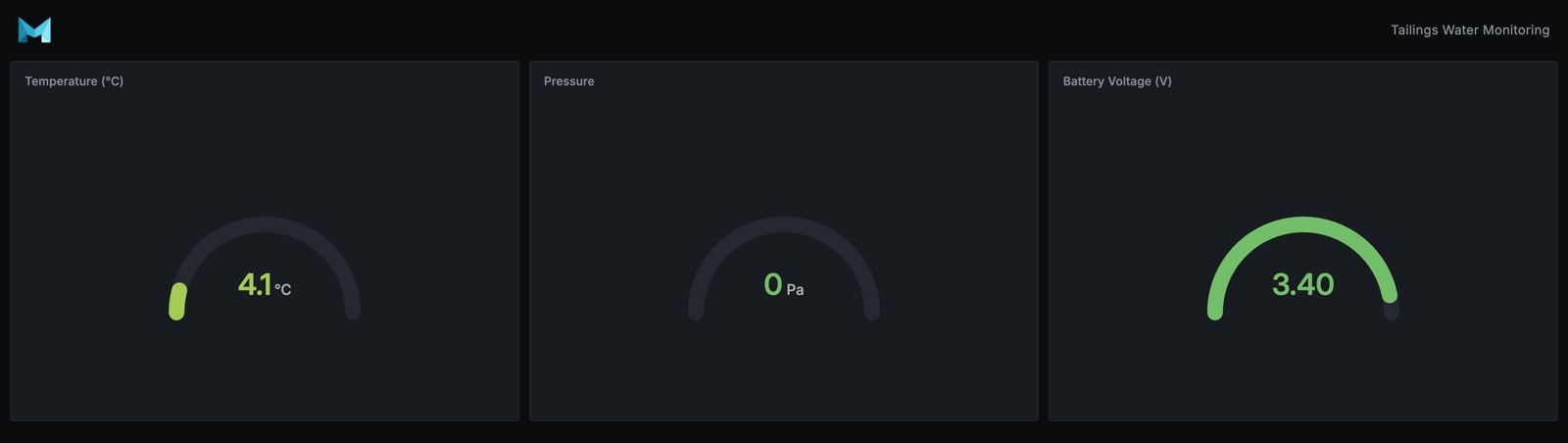
Sensor data was transmitted to the Meshed Asset Intelligence platform and integrated with the mining company's asset management environment, transforming field measurements into actionable operational information. Automated alerts notified maintenance teams when predefined thresholds were exceeded, enabling potential issues to be investigated earlier rather than waiting for the next scheduled inspection.
The Outcome, Water Data in Real Time
Continuous IoT monitoring transformed remote water assets from periodically inspected infrastructure into a source of near-real-time operational intelligence.
The solution enabled earlier identification of hazardous or abnormal water conditions, reduced reliance on manual sampling and field inspections, improved wastewater management, and faster maintenance response.
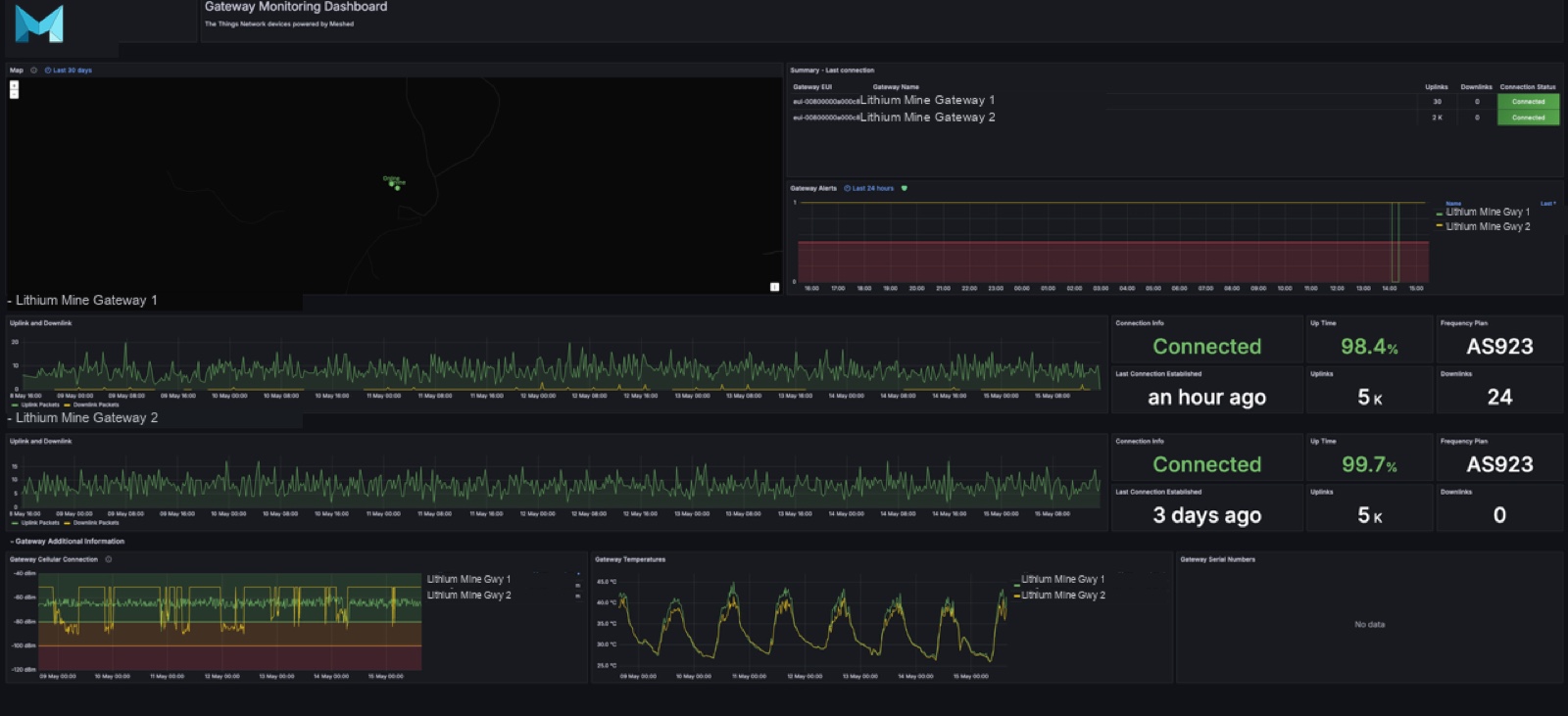
Using long-range, low-power connectivity also created a scalable monitoring architecture capable of supporting additional sensors and assets, helping the operation manage water more efficiently while improving productivity across a challenging remote mining environment.
What This Means for Mine Water Management
Most remote mining operations face a version of the same water problem. The assets that matter, the bores, ponds, pipelines and tailings dams, sit where inspection is slow and costly, and a manual sample only tells you what was true on the day someone drove out.
A private long-range network changes that. Once it exists, each new measurement point, whether that is water quality, pressure or level, joins the same network for a fraction of the cost of the first. The result is a live view of water across the whole operation, and a foundation for remote mining asset monitoring that scales as more assets are brought online.
Real-time visibility of every litre, across the whole site.