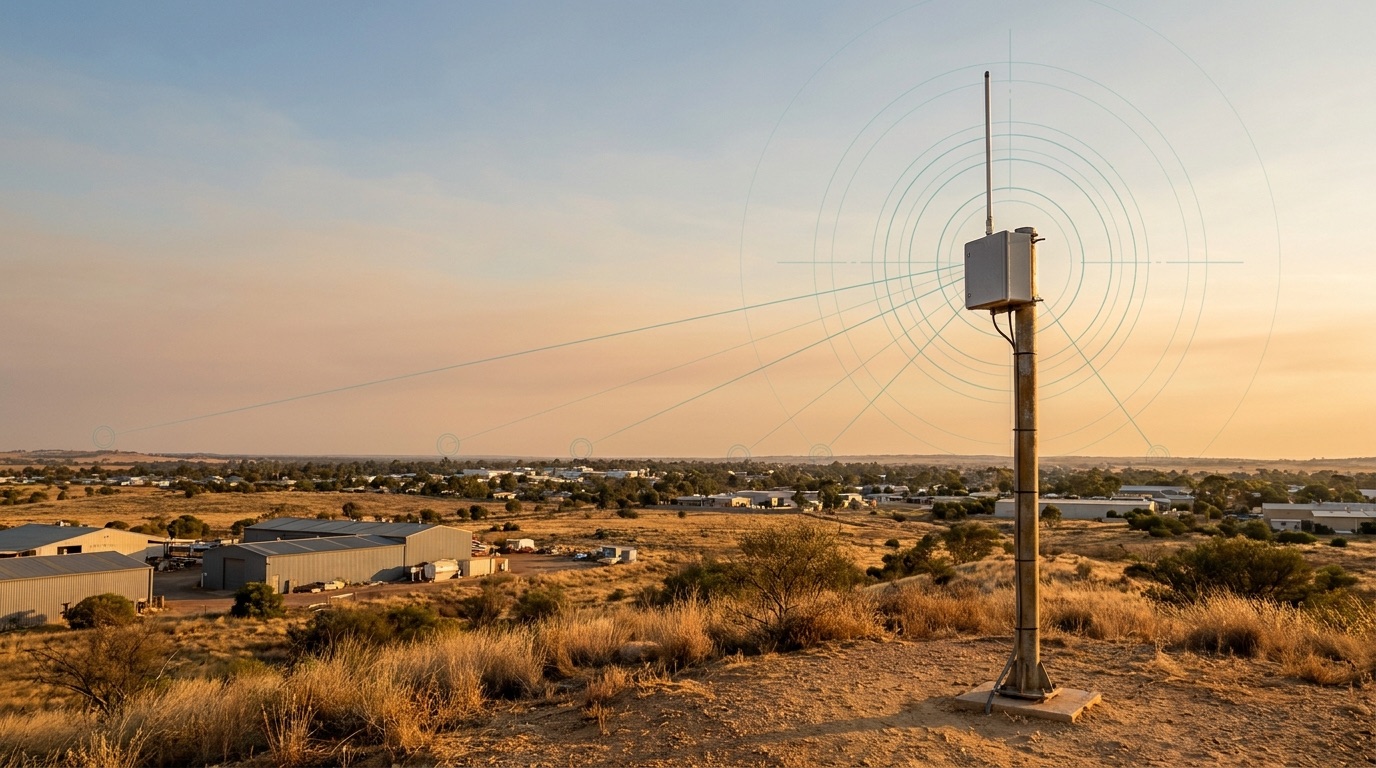

A major iron ore producer in the Pilbara needed a practical way to see critical assets spread across a vast and remote operation, from artesian water bores more than 10 kilometres inland to harbour vessels working a purpose-built export port. Working with a technology partner, Meshed deployed a private managed LoRaWAN network that now delivers real-time visibility of both, over a single long-range network reaching assets that were previously difficult or costly to monitor.
Supporting Operations in a Remote Iron Ore Region
The Pilbara is one of the world's most significant iron ore producing regions, supporting large-scale mining and export operations that supply international steel markets. Operating in this remote region presents unique challenges, with mining companies managing assets across vast distances while maintaining reliable infrastructure, environmental compliance and efficient supply chains. Increasingly, real-time data and remote monitoring are helping operators improve visibility across assets that have traditionally been difficult or costly to monitor.
For this major iron ore operation, those challenges extend from the mine site through to a purpose-built coastal port facility, one of the more recent greenfield ports developed on the Pilbara coast.
The Challenge of Remote and Coastal Assets
Water management is critical in the Pilbara, where remote infrastructure and highly variable seasonal conditions can make physical access difficult. During the wet season, flooding creeks, boggy access tracks and cyclonic weather can restrict maintenance teams from reaching remote assets.
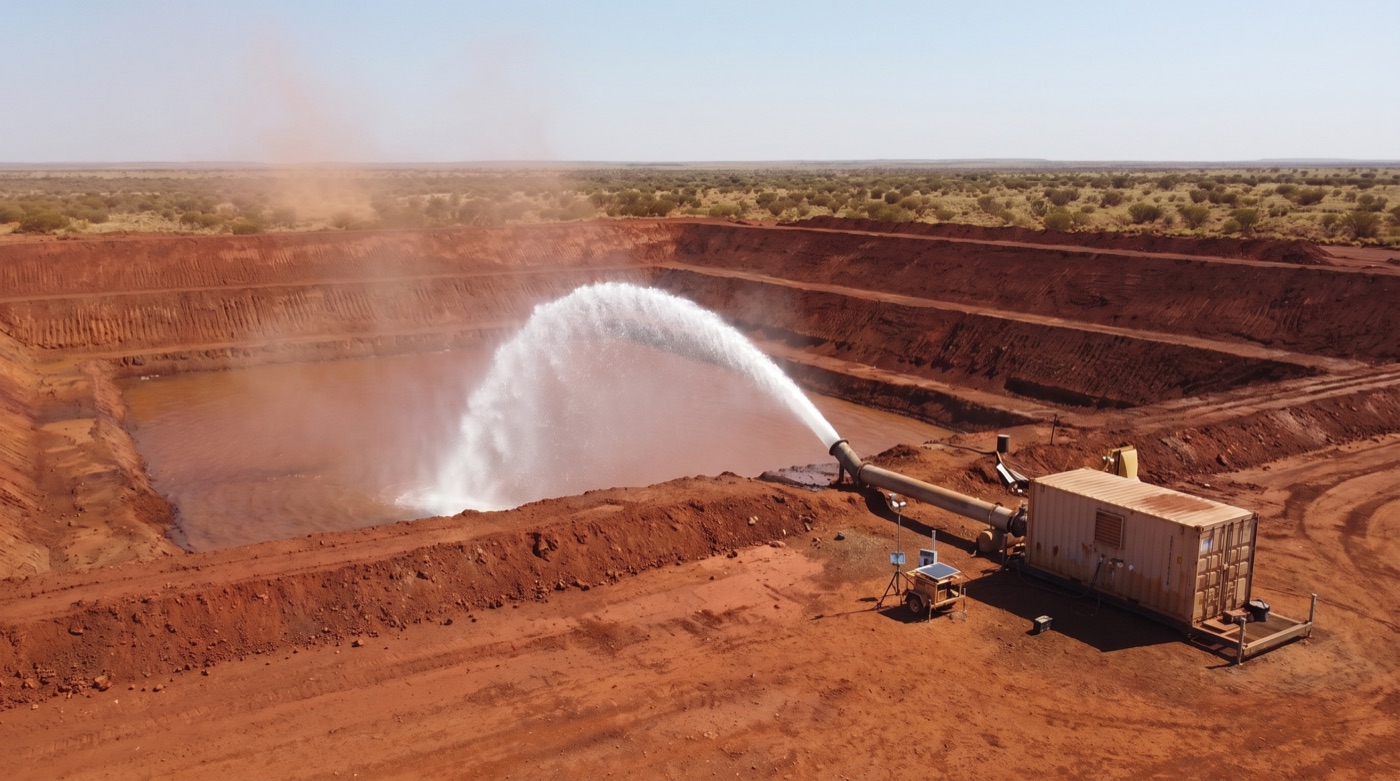
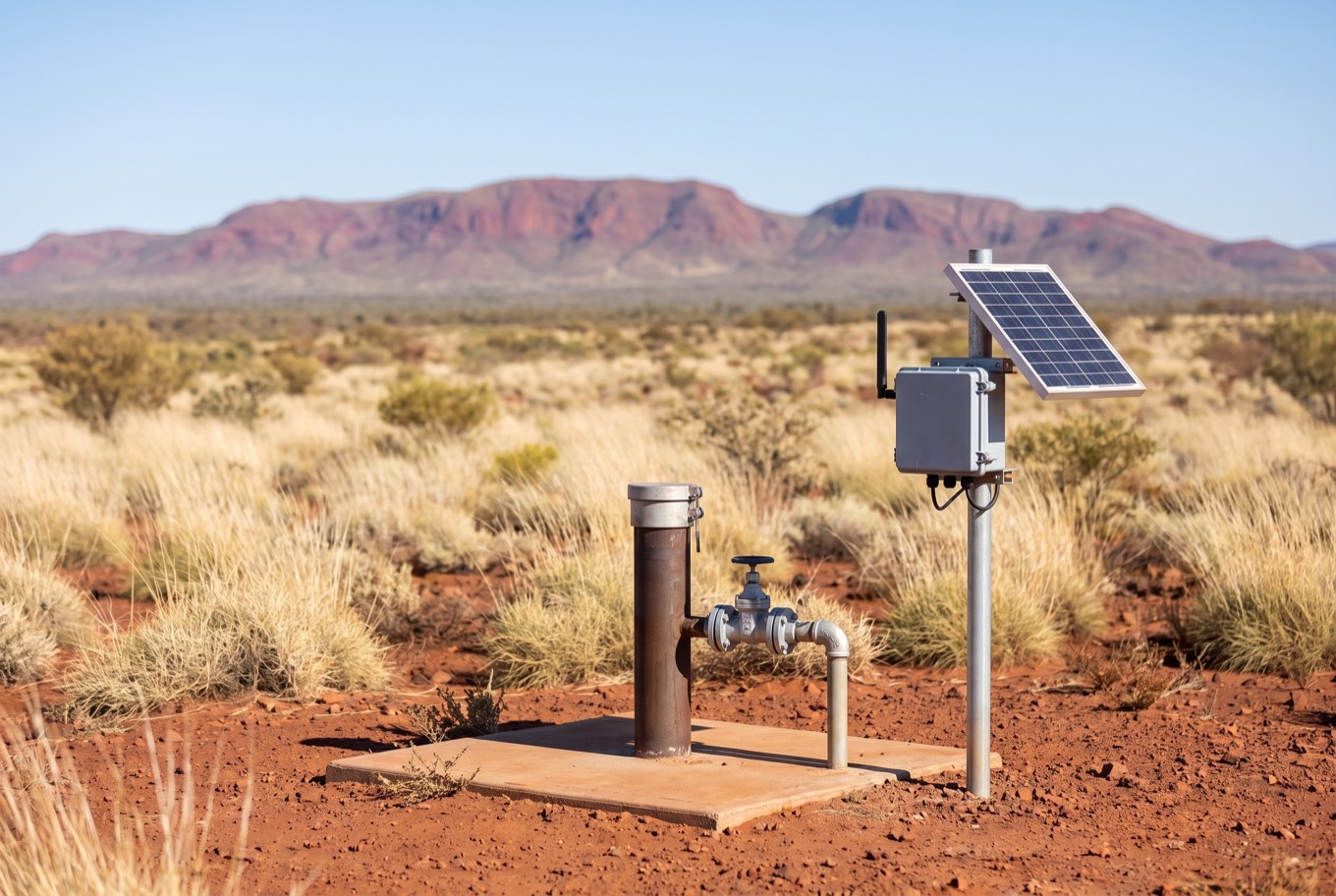
The operation relies on artesian bores located more than 10 kilometres from the mine site, creating a need to remotely monitor water usage and levels while supporting strict environmental and compliance requirements.
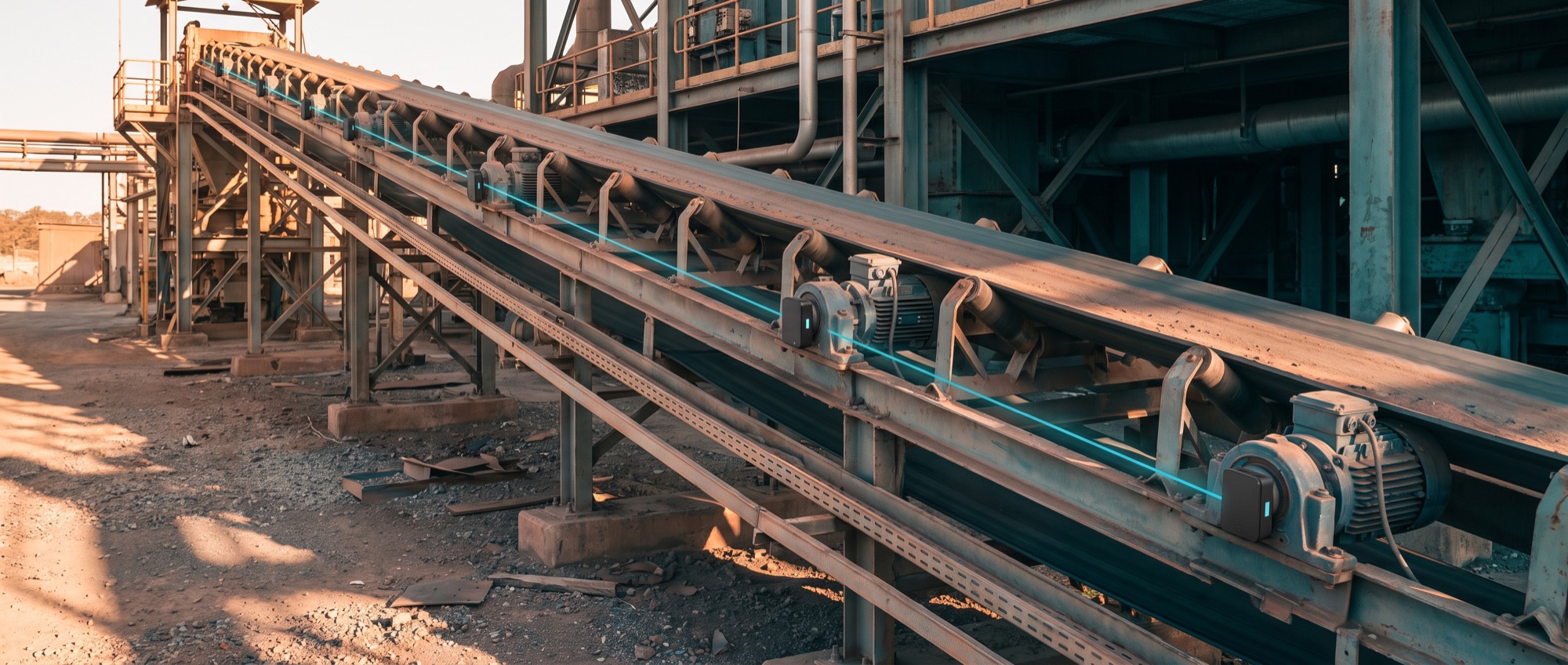
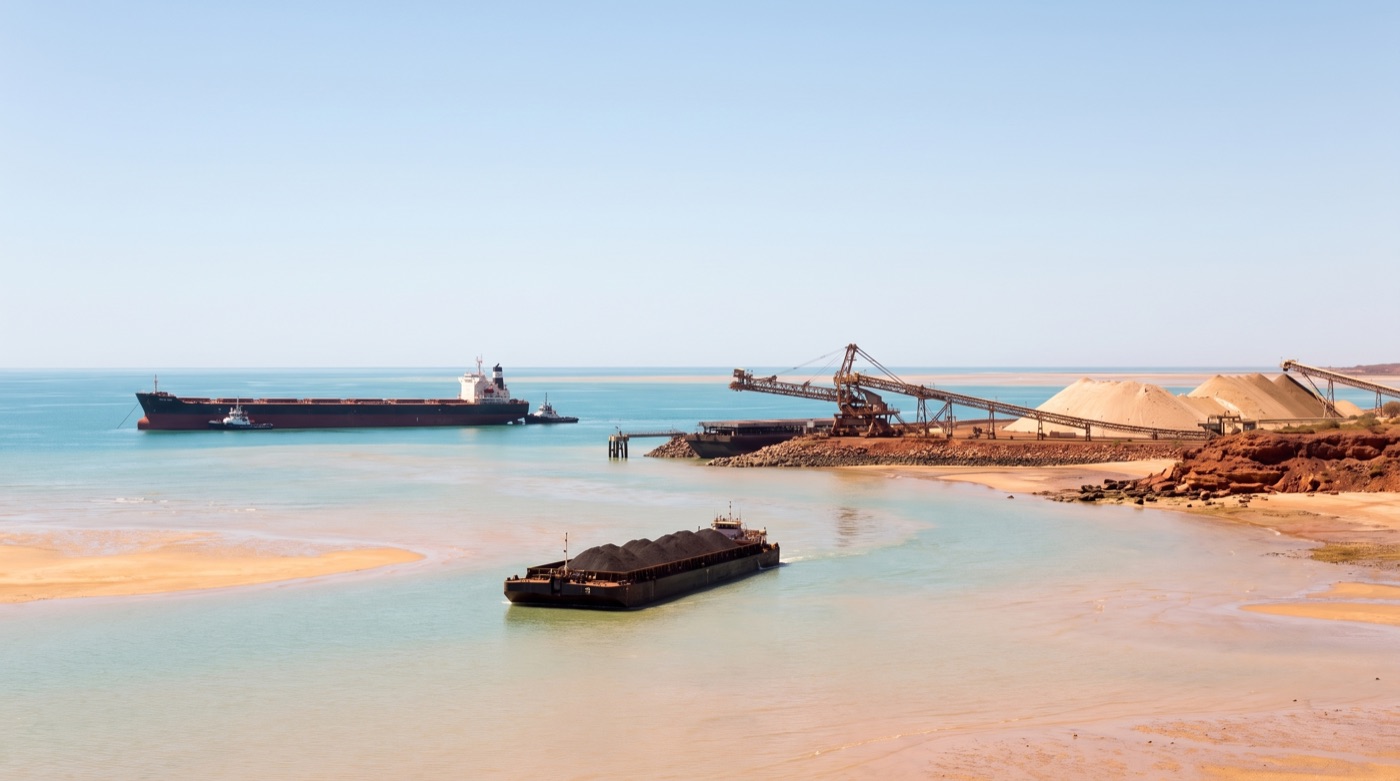
At the same time, coastal operations must contend with shallow waters, high tidal movements and challenging marine conditions, making reliable visibility of port and vessel activity essential. Shallow coastal waters require a specialised transhipment process rather than conventional deep-water berths. Iron ore is transported by conveyor to stockpiles before being loaded onto barges or transhipment vessels and transferred offshore to ocean-going bulk carriers.
The Solution, a Private LoRaWAN Network
Meshed was commissioned by a technology partner to deploy a private managed LoRaWAN network supporting two key real-time monitoring applications across the operation.
The first focused on remote water monitoring. Operations rely on artesian bores located more than 10 kilometres from the mine site, which can become difficult to access during the wet season. LoRaWAN-enabled monitoring nodes provided maintenance teams with remote visibility of water usage and levels, helping operators manage consumption and support environmental and regulatory compliance requirements. The long-range network allowed data to be transmitted reliably from bore infrastructure well beyond the reach of conventional connectivity.
The second application provided real-time tracking of harbour vessels travelling between the shoreline and offshore loading areas. Low-cost GPS trackers installed on vessels enabled onshore teams to monitor vessel location and movements. A LoRaWAN gateway positioned at an elevated location on the mine site provided long-range connectivity across the marine environment, with the technology capable of reaching significant distances over water.
The Outcome, Real-Time Visibility at Scale
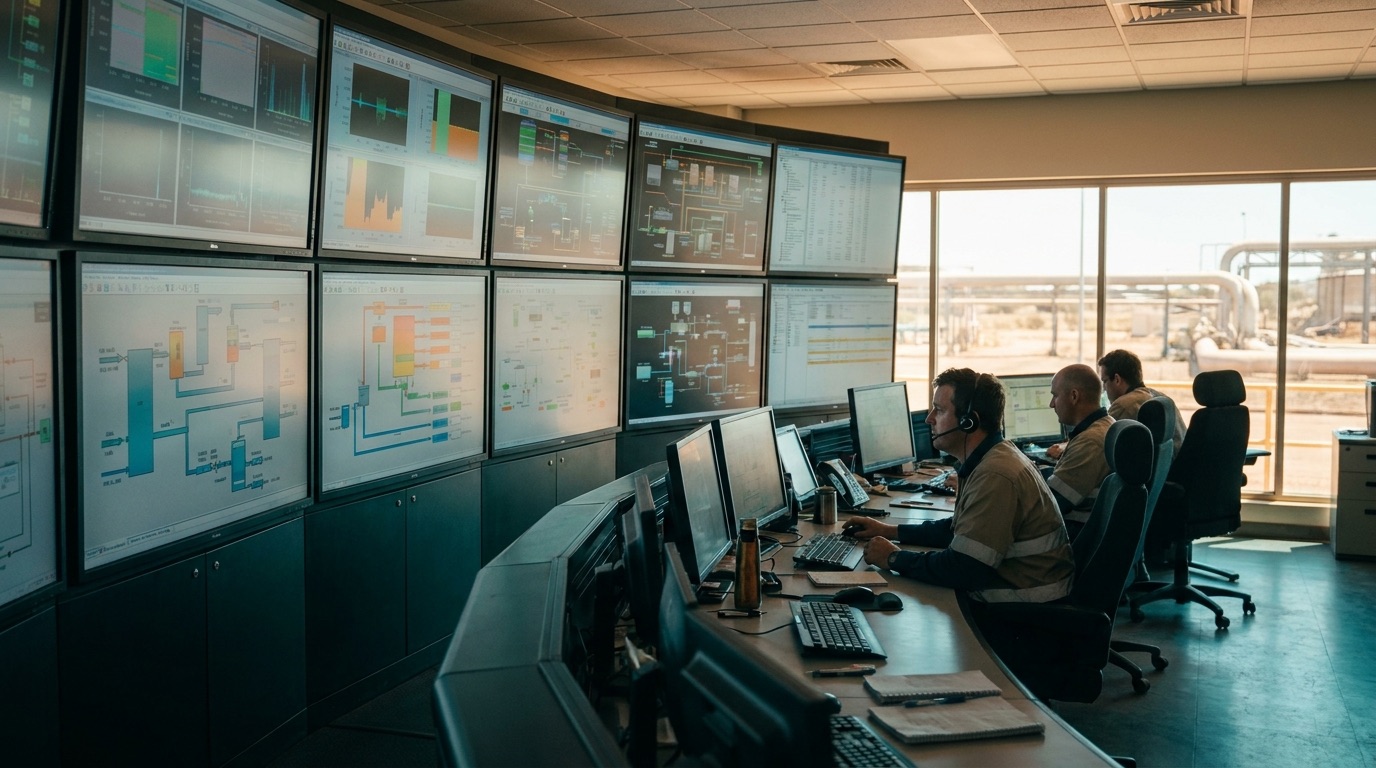
Real-time sensor and location data was integrated into a Power BI platform and a digital twin system, giving operational teams a centralised view of critical assets and activities across remote land and marine environments.
The solution provided greater visibility of remote infrastructure, reduced reliance on manual asset checks and enabled teams to make more informed operational and maintenance decisions.
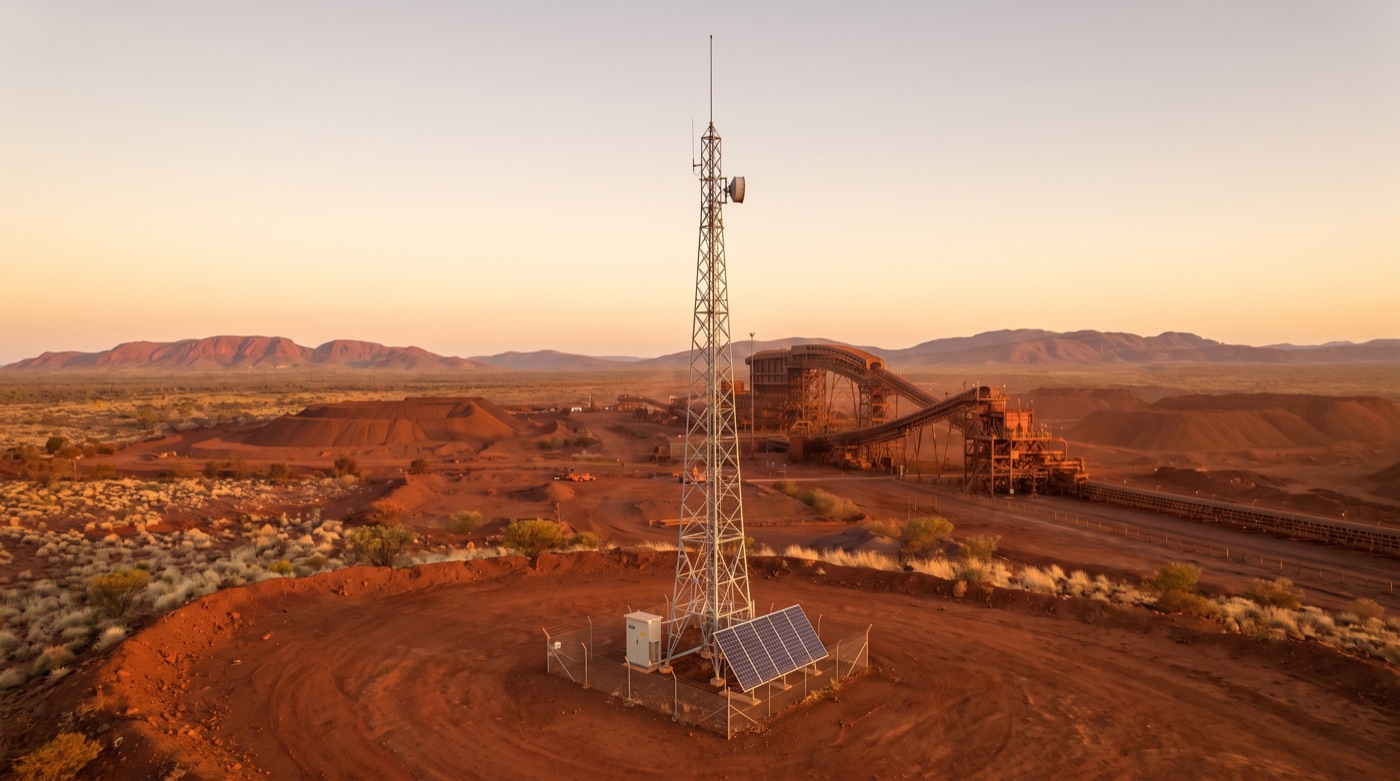
Most importantly, the private LoRaWAN network created a scalable connectivity foundation that can support additional sensors, assets and monitoring applications as operational requirements evolve.
What This Means for Remote Mining Operations
Most asset-intensive mining operations face a version of the same problem. The assets that matter most often sit where connectivity is hardest, at a bore beyond the last passable track, or on a vessel working offshore. Cellular coverage is thin or absent, and running cable to each new point is slow and costly.
A single long-range private network changes the economics. Once it exists, each additional application, whether that is water monitoring, vessel tracking or condition monitoring on fixed plant, costs a fraction of the first. The result is a connectivity foundation for remote mining asset monitoring that scales as requirements evolve, across both land and marine and port operations.
Real-time visibility of every asset, however remote.