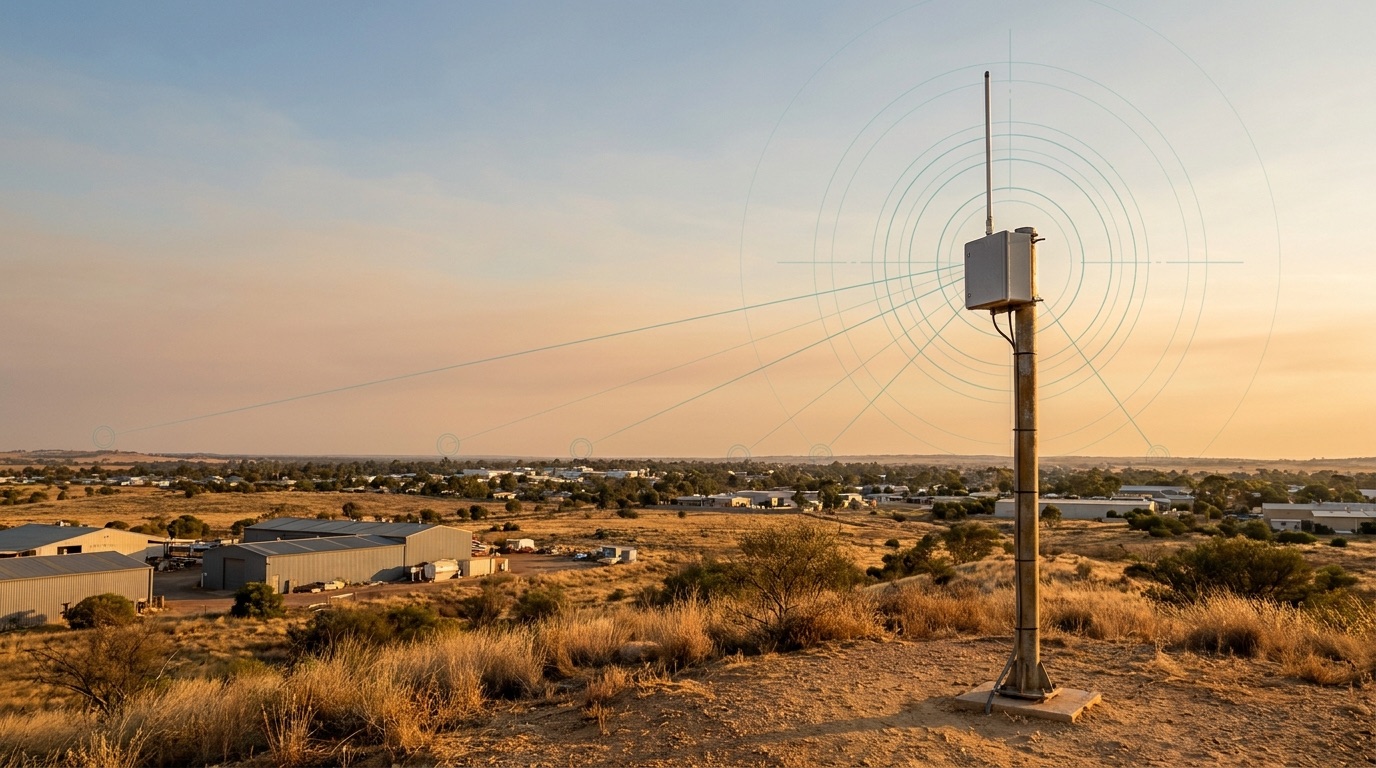
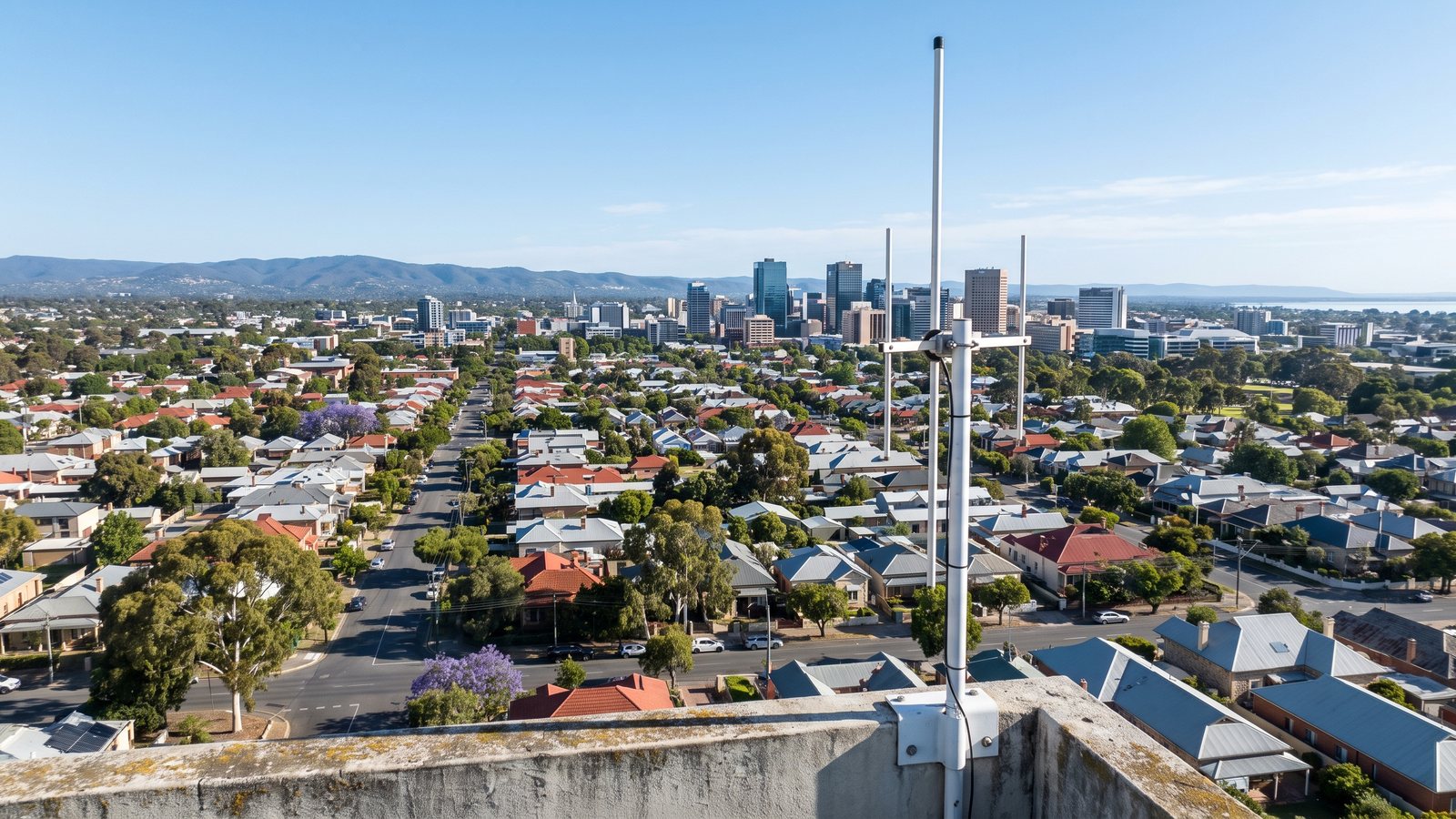
Most council technology projects stop at the council boundary. Connected Cities Adelaide was designed not to. The project set out to give metropolitan Adelaide shared digital infrastructure, one LoRaWAN network that any participating council could build services on, rather than nine separate networks that each cover less ground.
One Network Across Nine Council Areas
The project began in 2018 with the local government areas of Prospect, Burnside, Campbelltown, Playford and Port Adelaide Enfield, working alongside the University of Adelaide's Smart City Consortium. Once the network was operating, the model did what shared infrastructure tends to do. It attracted neighbours. Tea Tree Gully, West Torrens, Marion and Adelaide Hills joined, taking the footprint to nine council areas and coverage across more than half of metropolitan Adelaide.
The network went fully operational in June 2019. The Local Government Supervisors Association has supported the initiative as a model for a state-wide public-access data network built on the same approach.
What the Network Carries
A shared network only earns its keep through the services that run on it. The community-access network supports ten use cases across smart cities, environment and asset management, from operational efficiency work inside the councils to services their communities see directly.
Each council has access to its own data visualisation dashboard, underpinned by a Data Sharing Framework developed by the University of Adelaide. That framework matters as much as the radio coverage. Nine organisations putting data on shared infrastructure need agreed rules for who sees what, and building those rules in from the start is what lets the collaboration survive contact with real operations.
Why Open Access Matters
At its launch in 2019 the network was described as the largest public-access LoRaWAN network per capita in Australia. The open-access model means the infrastructure serves government, university, industry, local business and community users on the same coverage, so a sensor deployed by a local business rides the same network a council uses for its own assets.
What It Took to Deliver
The participating cities selected Meshed for end-to-end delivery across three phases, the network itself, the sensor devices, and the data layer that turns readings into something a council officer can act on. That sequencing is deliberate. Coverage comes first, because nothing else works without it. Devices come second, chosen for the use cases each council actually has. Data comes last, landing in dashboards governed by the sharing framework.
The same pattern has since been applied by other Australian councils that treat connectivity as shared infrastructure rather than a per-project cost, including the Smart Shires consortium in Victoria.
Shared coverage first. Everything a city wants to measure gets cheaper after that.