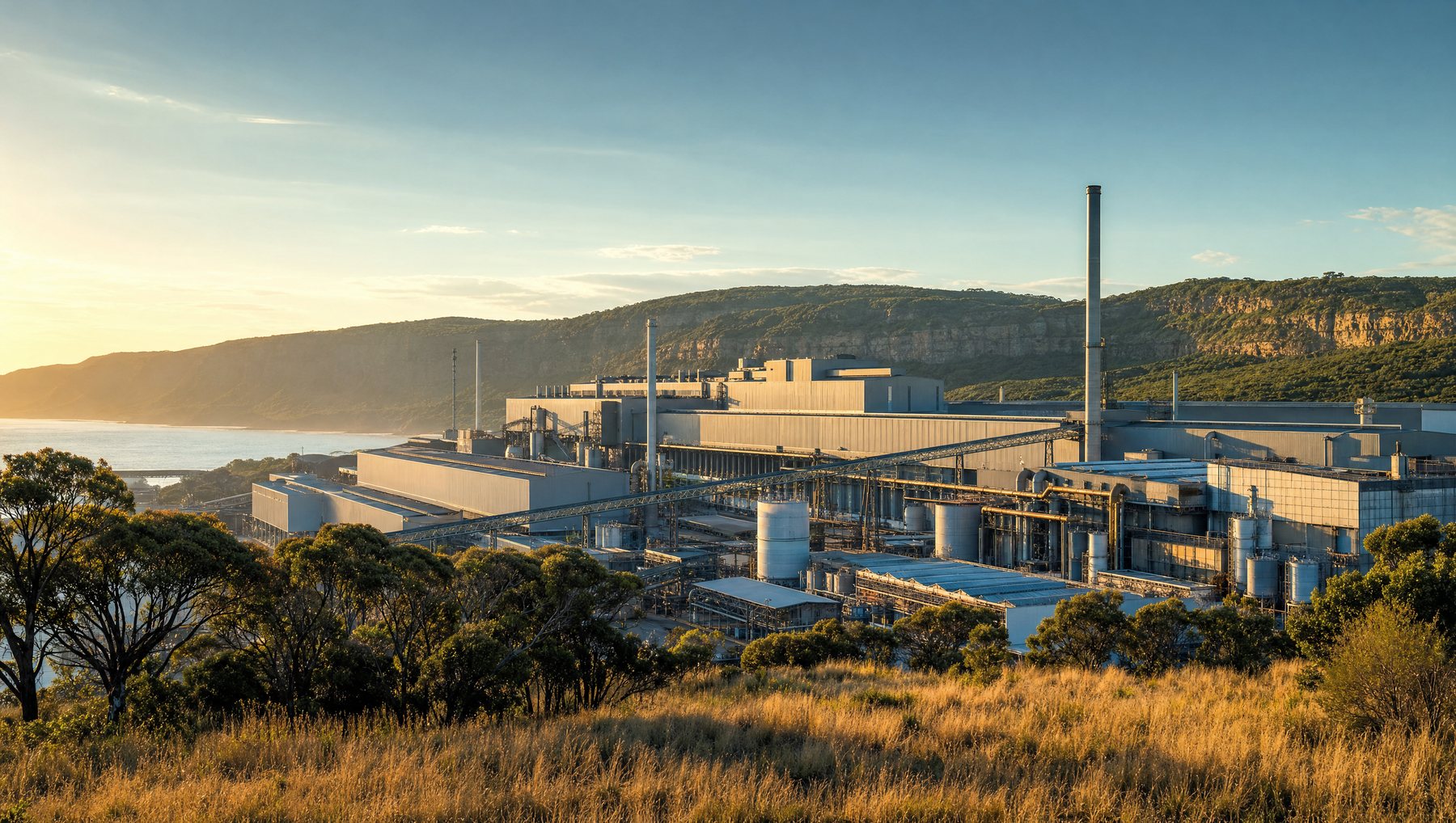
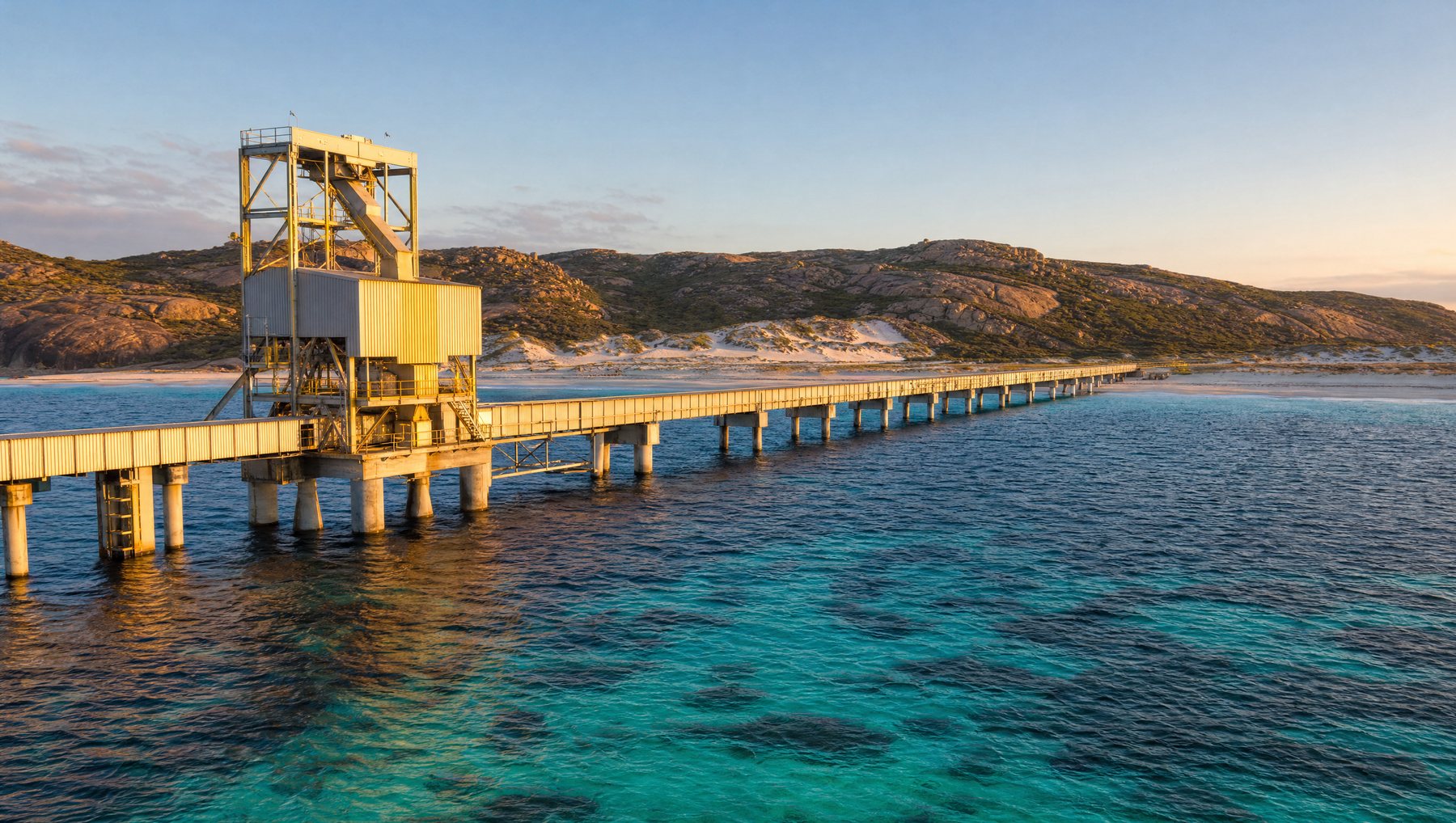
A port is an unusually hard environment to keep visibility over. The footprint is large, it is outdoors, the valuable equipment moves constantly, and the consequences of not knowing where something is or what condition it is in are measured in ship delays rather than in inconvenience.
Southern Ports Authority described the resulting deployment as being at a range and scale unprecedented in an Australian port. It was built in stages rather than all at once, which is the more instructive part of the story.
How the programme was staged
The first stage, in August 2021, addressed fixed machinery. MOVUS FitMachine technology was installed to gather real-time data from key port machinery such as electric motors and bearings, measuring temperature, vibration and noise, and feeding that into machine learning software designed to flag problems before they cause a failure.
The second stage, in December 2021, addressed mobile assets. Southern Ports added Meshed GPS trackers and controlled environment sensors to track mobile plant such as forklifts and elevated work platforms, and to monitor conditions in locations like server rooms.
The third stage, during 2022, addressed utilities, with water meters added to track usage across the sites.
What is deployed now
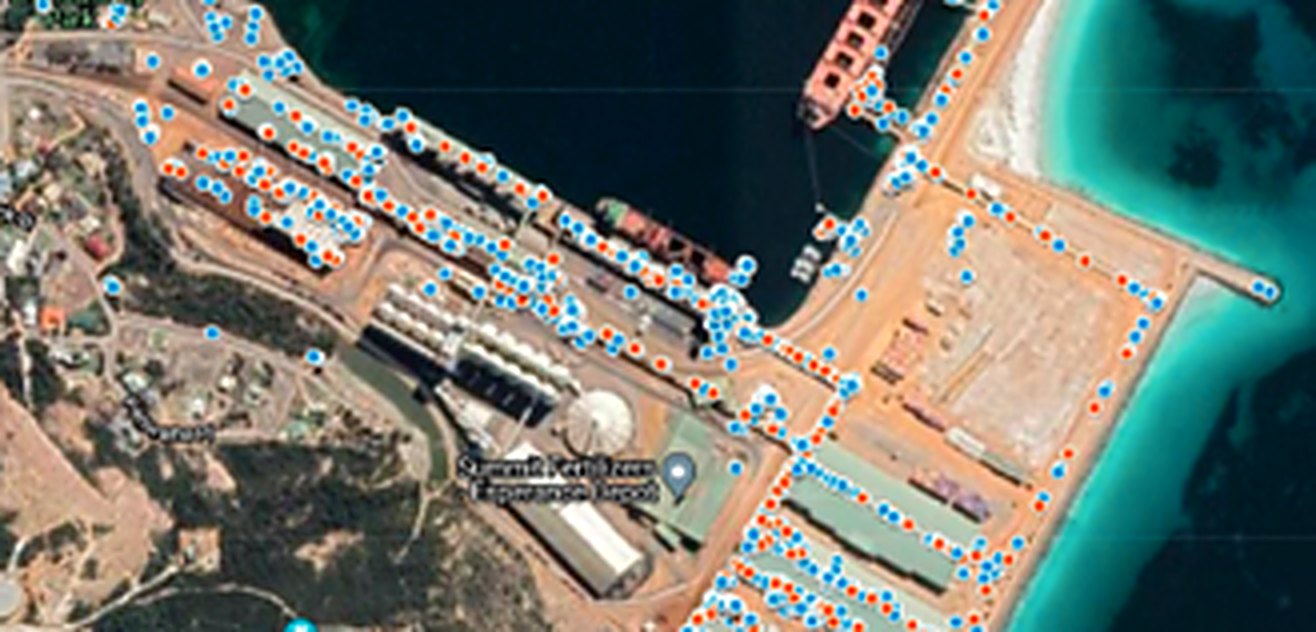
More than 300 devices are in the ground across the two ports.
- 110 Meshed GPS trackers monitoring the location of mobile assets
- 75 Meshed controlled environment sensors monitoring locations such as server rooms
- 100 MOVUS FitMachine devices on fixed rotating machinery
- 20 LoRaWAN water meters, with another 30 being installed
The three categories answer three different questions, being where is it, what condition is it in, and how much are we using. Running them over shared infrastructure is what makes carrying all three affordable.
The water problem nobody expects
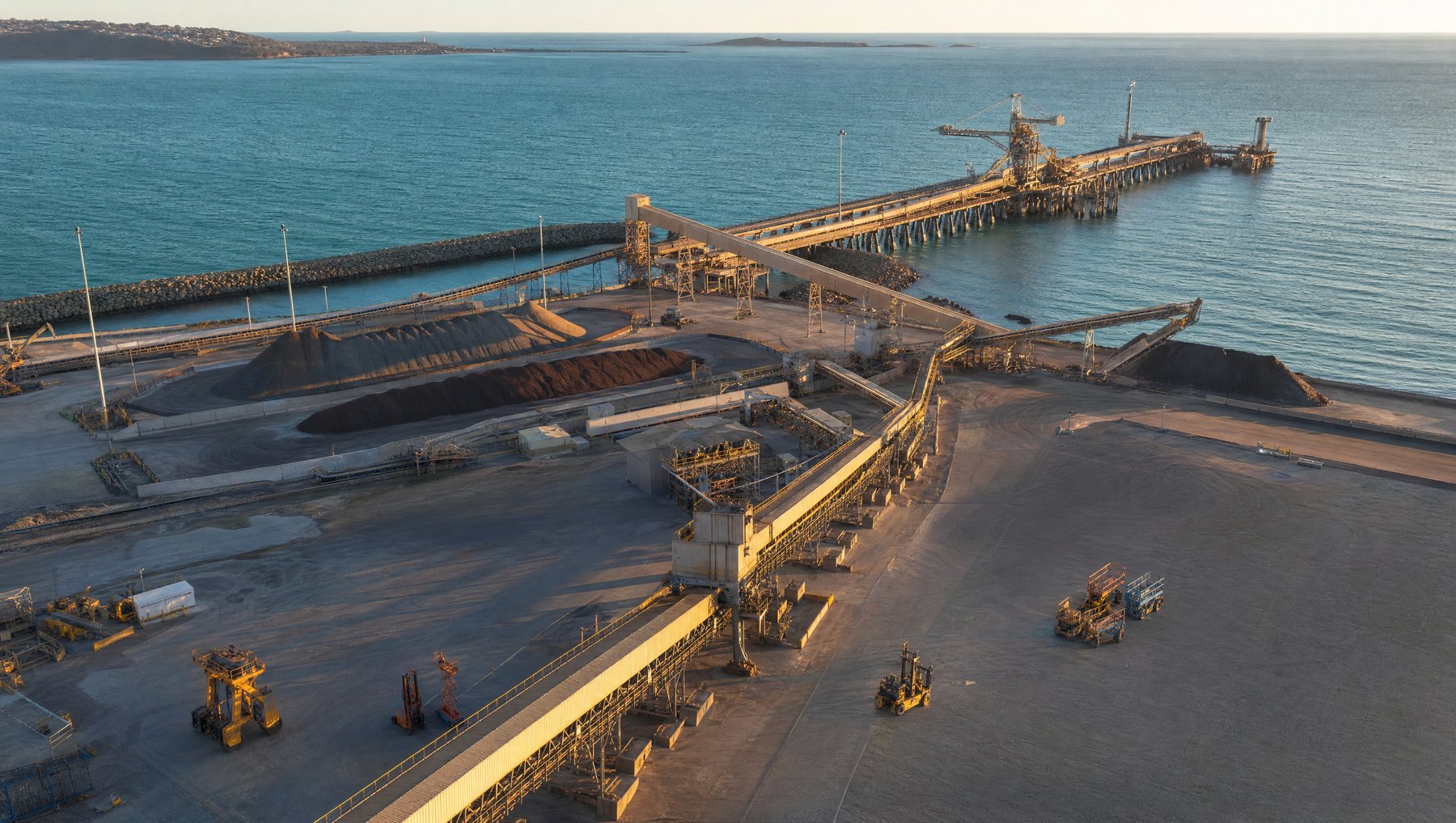
Suppressing dust during ship loading takes a great deal of water. That makes water both a significant operating cost and an environmental obligation, and it was previously managed with manual readings.
Connected metering changed three things at once. Automated water sprays used for dust suppression can be controlled based on actual conditions. Wastage can be identified and prevented rather than discovered later. And usage reporting happens automatically instead of consuming staff time.
Southern Ports predicted the water meters alone would save more than 200 hours of manual labour in the year, improve data accuracy, and free staff from recording tasks to work on higher-value activity.
What the authority reported
Southern Ports has been explicit that the value landed with the people doing the work rather than with management reporting.
In its own words, the technology has put information in the hands of those who can use it, in a way they can understand, to make real change. Data no longer needs to be interpreted by management, and on-the-ground staff are empowered to make decisions that improve field operations.
The authority also reported a 40 percent reduction in loading delays resulting from equipment breakdowns, and four critical events identified by the machine learning layer before they became failures. Both of those outcomes belong to the condition monitoring on fixed machinery rather than to the mobile asset tracking described above.
Why staging matters more than scale
The temptation with a deployment this size is to design the whole thing up front. Southern Ports did the opposite, solving fixed machinery first, then mobile assets, then utilities, over roughly eighteen months.
That sequencing is why it worked. Each stage proved its own value before the next was committed, each one reused the infrastructure the previous stage had justified, and the workforce absorbed one change at a time rather than all of them at once. The authority specifically noted strong acceptance from its workforce, which is not a given for a programme of this size.
More on smart ports and maritime.
This deployment was reported independently by IoT Hub, Australia's Internet of Things trade publication.
“Western Australian export hubs using AI and hundreds of sensors and meters to optimise operations”, IoT Hub, 19 May 2023.
Real-time intelligence across your entire terminal.