Facilities management is shifting from reactive maintenance to predictive, real-time operational intelligence. Modern buildings generate vast amounts of operational data, yet many teams still rely on manual inspections, reactive maintenance and fragmented systems. Low-power IoT sensing, open APIs and cloud analytics now put that capability within reach of any building manager, not only the largest property portfolios, across five operational domains. They are healthy buildings, intelligent energy management, predictive building services, occupancy and space intelligence, and smart water infrastructure.
This article looks at how connected building monitoring turns each of these domains from a cost centre into a source of operational intelligence and better customer experience, with a proof point demonstrated within a major Smart Campus.
From Reactive to Predictive
While intelligent asset management has been widely promoted, the benefits of predictive maintenance using real-time asset intelligence have mostly been available to the major building management vendors and the largest property management companies. That is changing. Global industry leaders such as CBRE and JLL point to the growing adoption of IoT sensors, digital twins and AI to improve building performance, optimise energy, enhance occupant wellbeing and support predictive maintenance. As hybrid work reshapes commercial buildings, facilities teams are replacing reactive maintenance with real-time operational intelligence.
Since COVID-19, Australia has clearly shifted to a hybrid work model, with commercial buildings seeing peak occupancy on Tuesdays, Wednesdays and Thursdays. That creates variable demand for HVAC, lighting, meeting spaces and other building services. CBRE's 2025 Australian Office Occupier Survey captures the shift.
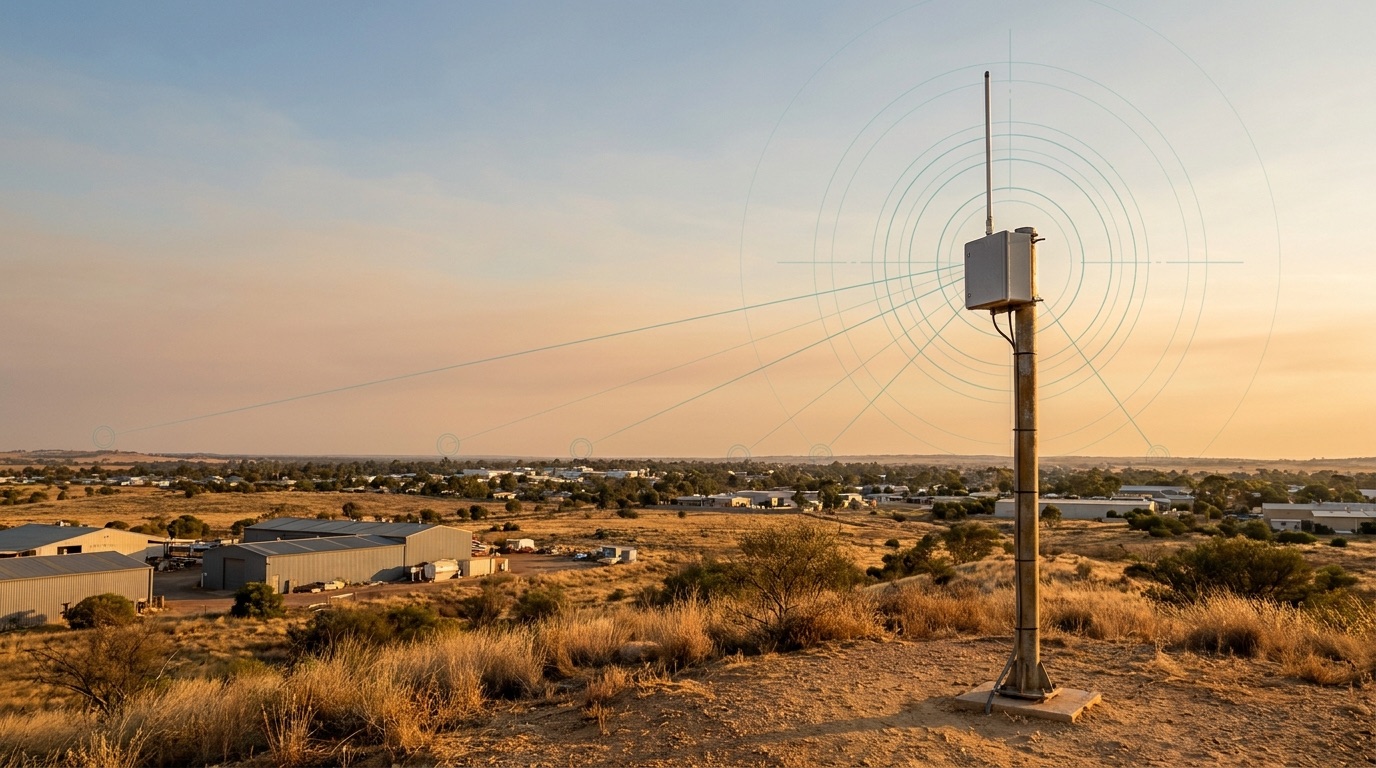
Low-power sensing, open APIs and cloud analytics now make this kind of data-driven decision making accessible well beyond enterprise building management systems, and building managers can act on it in days, not months. The real value of IoT is not the sensors themselves. It is the operational intelligence they create. By monitoring critical assets in real time, facilities managers can improve occupant wellbeing, reduce operating costs, extend asset life and support sustainability objectives. Five operational domains have become the foundation of modern smart facilities management.
Here are the five domains, and what continuous monitoring delivers in each.
Healthy buildings
Air quality, CO2 and comfort, with early warning of poor ventilation.
Intelligent energy management
Abnormal consumption, verified savings and lower peak demand.
Predictive building services
HVAC, pumps and rotating plant, monitored before they fail.
Occupancy and space intelligence
Real space utilisation, smarter cleaning and better planning.
Smart water infrastructure
Leaks, levels and consumption, caught early.
1. Healthy Buildings
Continuous monitoring of indoor air quality, temperature, humidity, CO2, VOCs and particulate matter gives early warning of poor ventilation and uncomfortable conditions. The outcome is healthier occupants, improved productivity, fewer complaints and evidence to support sustainability frameworks such as NABERS and WELL.
2. Intelligent Energy Management
Monitoring switchboards, sub-metering, solar generation, gas consumption and power quality lets facilities teams identify abnormal consumption, verify energy-saving initiatives and reduce peak demand. Energy data becomes a strategic tool for cost reduction, ESG reporting and capital planning.
3. Predictive Building Services
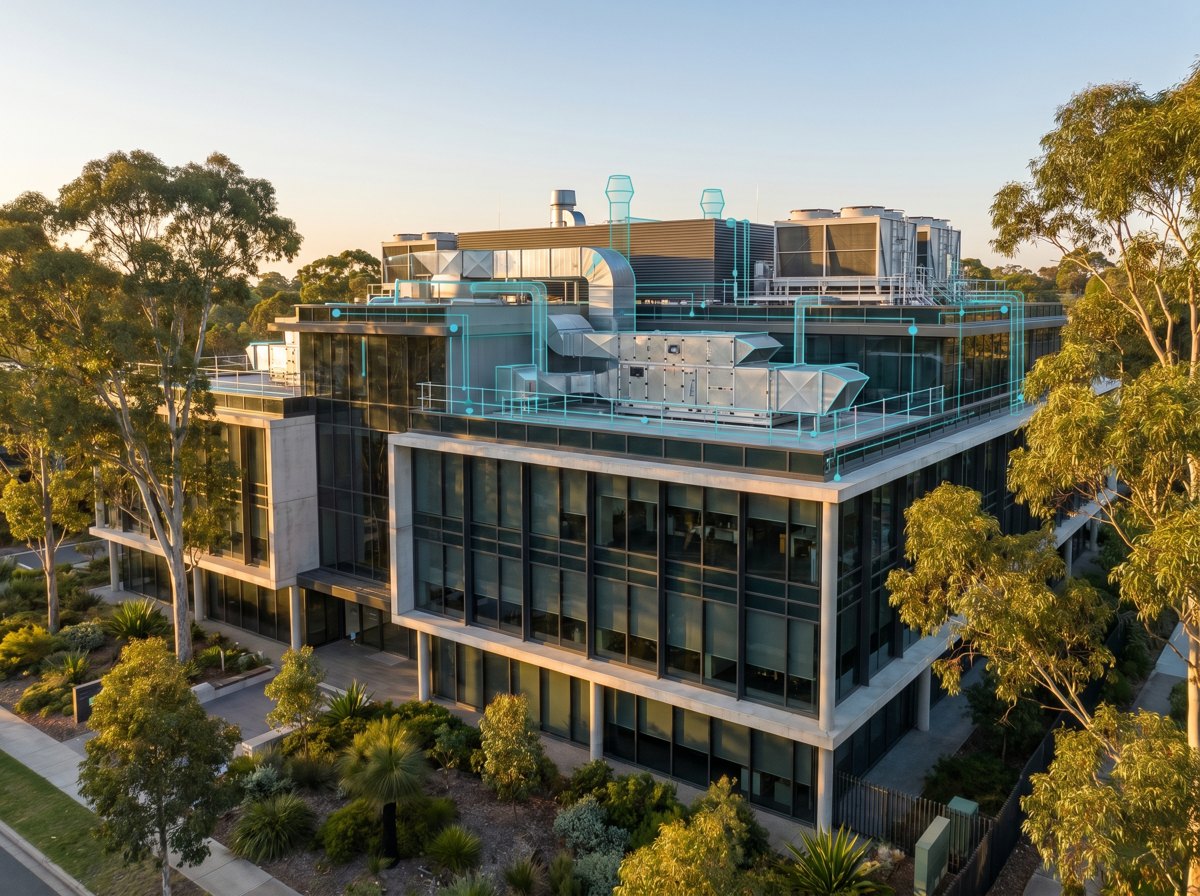
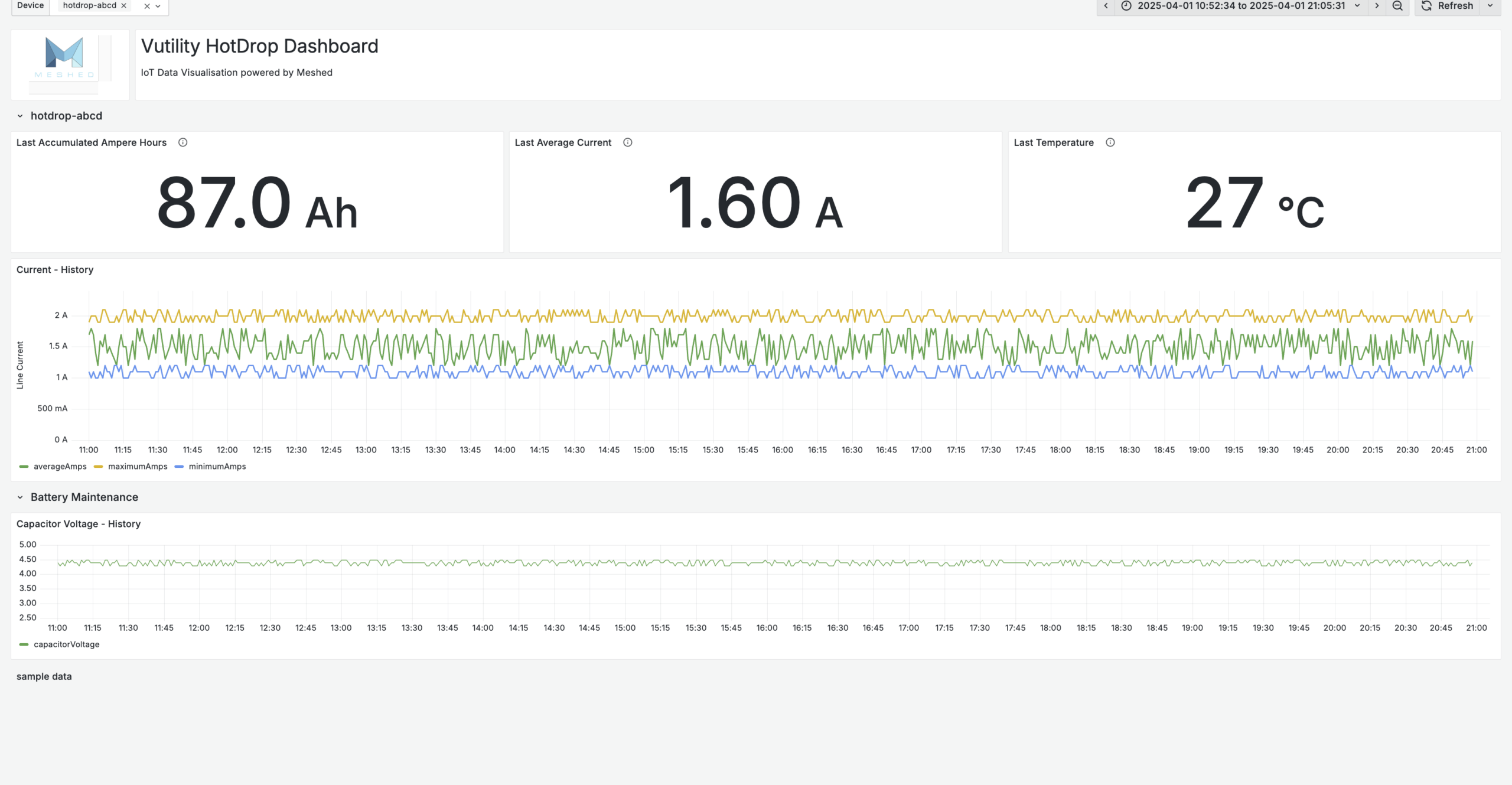
HVAC systems, pumps, heat pumps, compressors and other rotating assets benefit from continuous monitoring of energy, vibration, pressure, temperature and runtime. Predictive maintenance reduces unplanned downtime, extends equipment life and improves occupant comfort. IoT complements existing BMS investments by filling monitoring gaps through open integrations. We cover the rotating-equipment side of this in more depth in five industrial assets worth monitoring.
Operational intelligence, not another dashboard
Meshed designs, deploys and runs managed LoRaWAN monitoring that plugs into the BMS and asset systems you already run. Talk to the team that has done it across campuses and commercial buildings.
4. Occupancy and Space Intelligence
Occupancy sensing, people counting and environmental monitoring improve space utilisation, optimise cleaning schedules and enhance operational awareness. Supplementary monitoring of critical infrastructure can improve asset reliability while maintaining compliance with certified safety systems. All of it is aggregate and anonymous, measuring how spaces are used rather than who uses them.
5. Smart Water Infrastructure
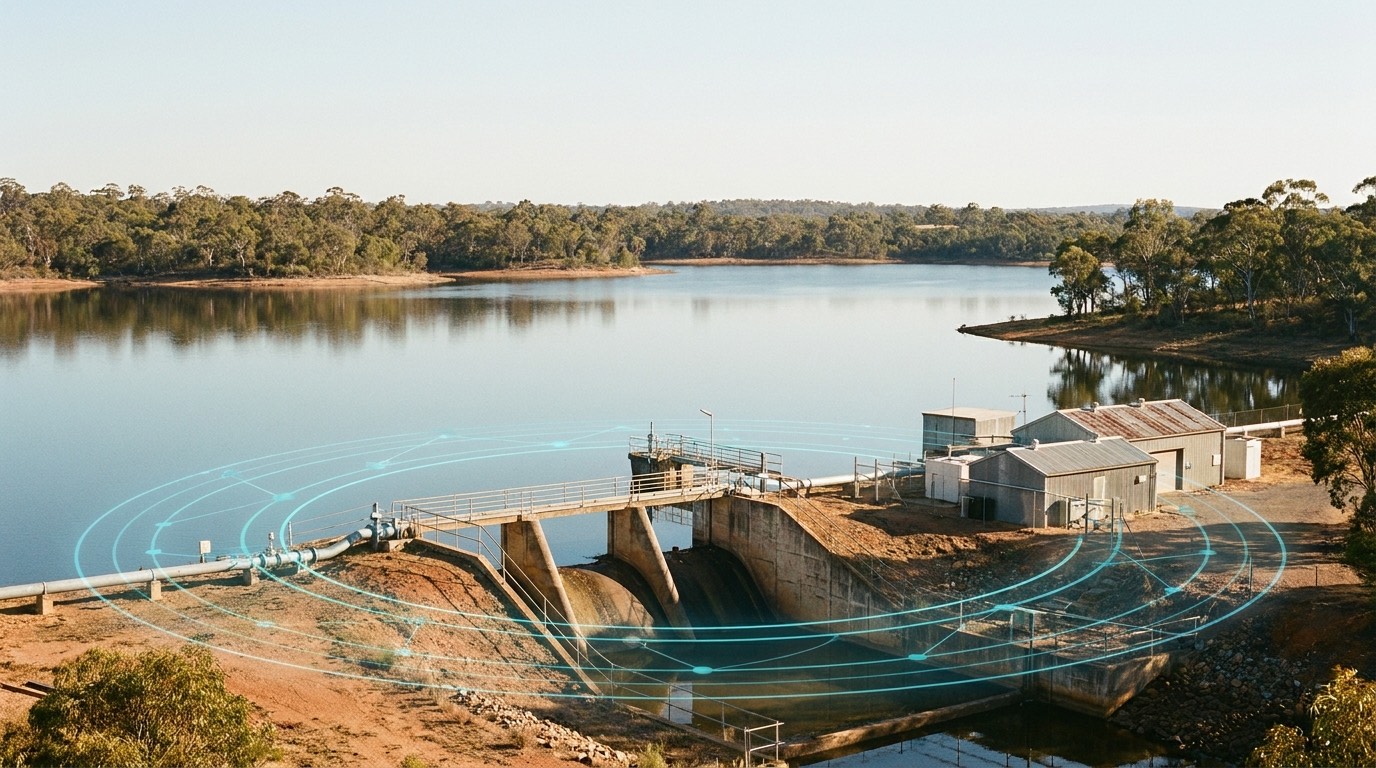
Smart water metering, leak detection, tank level monitoring, pressure sensing and pump monitoring give early warning of leaks and abnormal consumption, reducing water waste and improving resilience. The same managed network that carries air quality and energy data carries water data too, which is covered in our smart water monitoring guide.
A Healthier Campus at Scale
One of Australia's leading universities embraced smart facilities management as part of a broader smart campus strategy. During and after the COVID-19 pandemic, it deployed more than 3,000 IoT indoor environmental quality sensors across teaching spaces, lecture theatres, libraries and common areas, continuously monitoring temperature, humidity, carbon dioxide and other indoor air quality indicators.
Rather than relying on periodic inspections or occupant feedback, facilities teams gained real-time visibility into building conditions across multiple campuses. The data let operational staff optimise natural ventilation by informing door and window opening strategies, and adjust BMS HVAC settings to hold comfortable indoor temperatures and minimise periods of elevated CO2. The success of the initial deployment led to a full rollout across the university's major campuses, where the platform continues to support healthier learning environments, improve occupant comfort, optimise building performance and guide future capital investment and sustainability initiatives.
Bringing It All Together
Open technologies such as LoRaWAN make that practical, with long battery life and straightforward integration into the platforms facilities teams already run. Organisations that embrace connected monitoring make better operational decisions, improve sustainability outcomes and create healthier, more efficient buildings. As a systems integrator, Meshed helps facilities teams turn that data into fewer failures, lower operating costs and healthier spaces, without replacing the BMS and asset systems already in place.