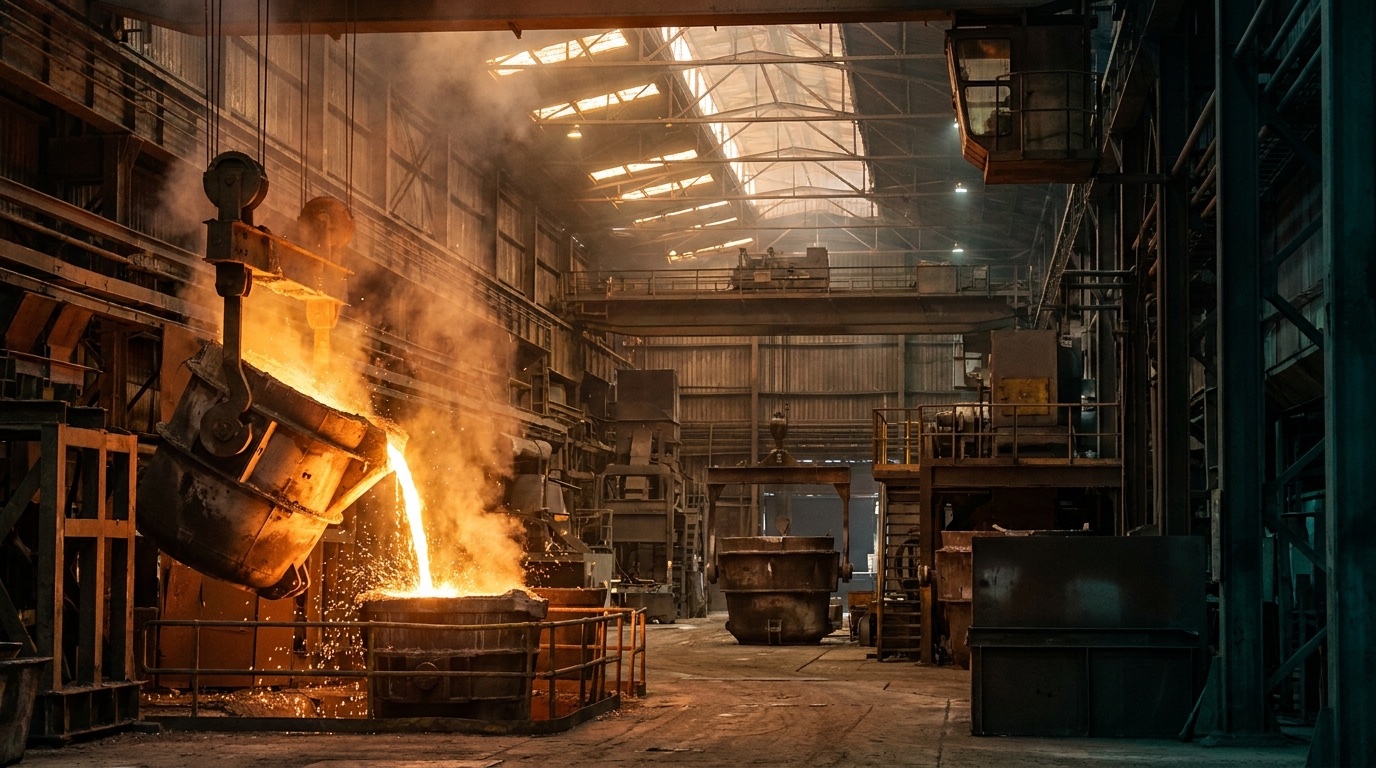

Across mining, manufacturing, utilities and heavy industry, five industrial assets deliver the greatest value from remote condition monitoring. They are rotating equipment, electrical distribution systems, pressurised systems, cold chain and refrigeration, and storage and containment. Each is a common source of avoidable failure, and each is where continuous, real-time asset intelligence lets teams act on a developing problem before it becomes a shutdown.
This article walks through each asset, the failures it tends to hide, the signals that reveal those failures early, and how a modern asset intelligence platform turns that data into fewer unplanned failures.
Why Continuous Condition Monitoring Matters
If you are responsible for maintaining industrial assets, you know that equipment rarely fails without warning. The challenge is not whether something is wrong. It is knowing what is changing, where it is happening and how quickly you need to act.
Across every asset-intensive sector, maintenance teams are under constant pressure to keep production running while reducing costs, extending asset life and improving safety. Yet many organisations still rely on periodic inspections, or respond only after an asset has already begun to fail. The result is a familiar cycle of repeat callouts, unexpected failures, emergency maintenance and production downtime. Pumps fail unexpectedly, motors begin vibrating, bearings overheat, pipelines leak and critical assets deteriorate long before anyone has the information needed to intervene.
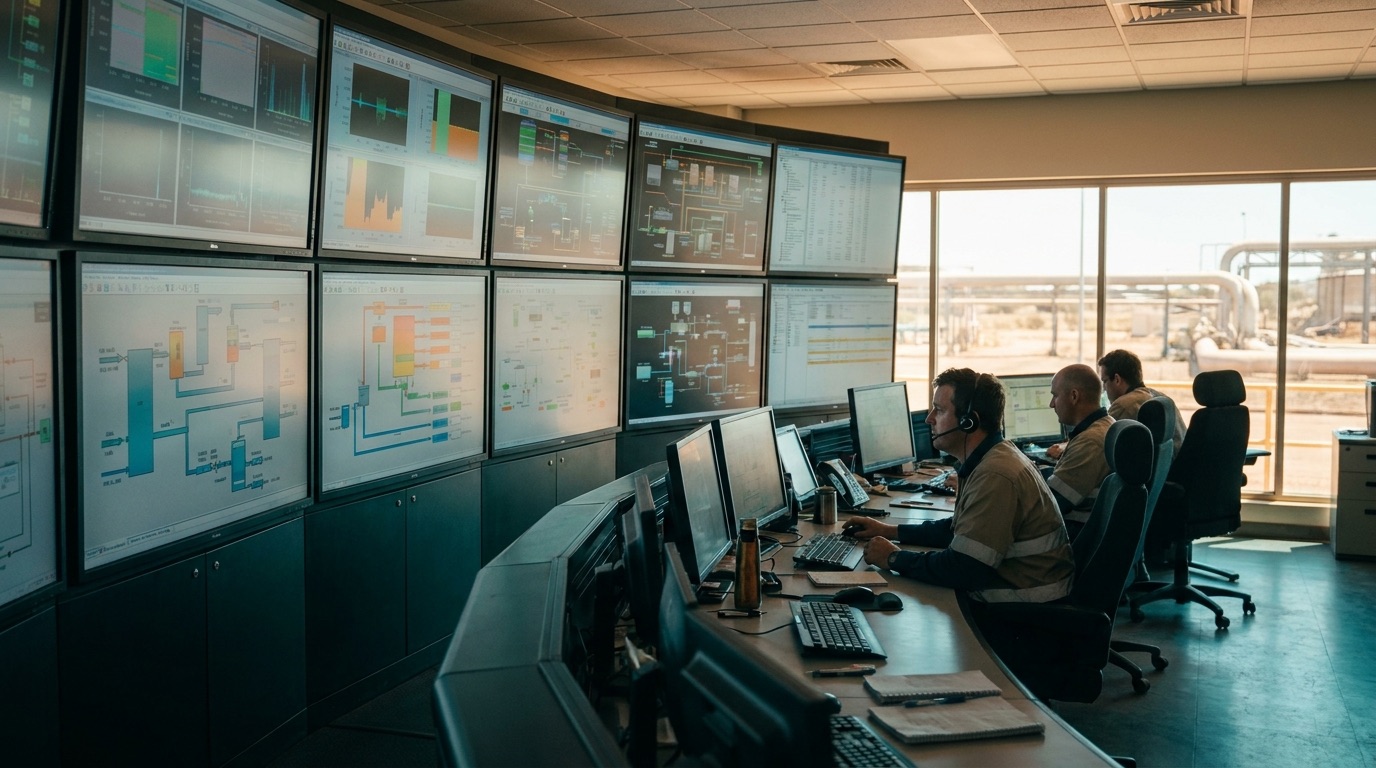
The alternative is not replacing experienced maintenance teams. It is giving them better information. Remote condition monitoring provides continuous, real-time visibility of asset health, so teams can identify developing issues well before they become operational failures. Combined with existing maintenance, SCADA and asset management systems, this layer of Asset Intelligence helps prioritise inspections, improve maintenance planning and reduce unplanned downtime.
Today, rugged industrial sensors can continuously monitor vibration, temperature, pressure, corrosion, water levels and dozens of other operational indicators. The data is analysed in real time, giving maintenance teams actionable insight that supports faster, more informed decisions and a shift from reactive to predictive maintenance. The five assets below, drawn from our experience across mining, manufacturing and asset-intensive industries, are the ones most associated with avoidable failures, and where real-time Asset Intelligence delivers the most. The right sensor always depends on the application, and matching the sensing technology to the asset and its operating conditions is a fundamental part of any asset intelligence strategy.
Here are the five assets, and the failure each one reveals early.
Rotating equipment
Imbalance, misalignment and bearing wear, caught by vibration long before seizure.
Electrical distribution
Overloads, loose connections and phase imbalance, before a breaker trips.
Pressurised systems
Leaks, blocked filters and valve faults, seen as small pressure deviations.
Cold chain and refrigeration
Temperature drift and compressor faults, before product is lost.
Storage and containment
Empty or overfilled tanks, and the leaks behind unexplained level change.
1. Rotating Equipment (Motors, Pumps and Compressors)
If you are only going to monitor one type of asset, start with rotating equipment. Motors, pumps, compressors, fans and gearboxes are the workhorses of almost every industrial operation. When one fails unexpectedly, the impact quickly escalates into production downtime, emergency maintenance and costly repairs. The good news is that these assets usually give early warning signs before they fail.
Modern vibration sensors continuously monitor a range of indicators that reveal the health of a machine. Overall vibration velocity (VRMS) highlights imbalance, misalignment and bearing wear, while acceleration measurements are more sensitive to developing faults such as damaged bearings and gear defects. Peak acceleration identifies sudden impacts or shocks, while statistical indicators such as Crest Factor and Kurtosis detect the subtle changes that often appear long before a failure occurs. Combined with surface temperature and acoustic monitoring, these measurements build a comprehensive picture of machine health.
No single measurement tells the whole story. Together, these indicators let maintenance teams detect problems earlier, prioritise inspections and schedule maintenance before minor issues become major failures. For organisations beginning their Asset Intelligence journey, condition monitoring of critical rotating equipment is one of the fastest and highest-value investments you can make. We go deeper on the metrics and the maths in our wireless vibration monitoring guide.
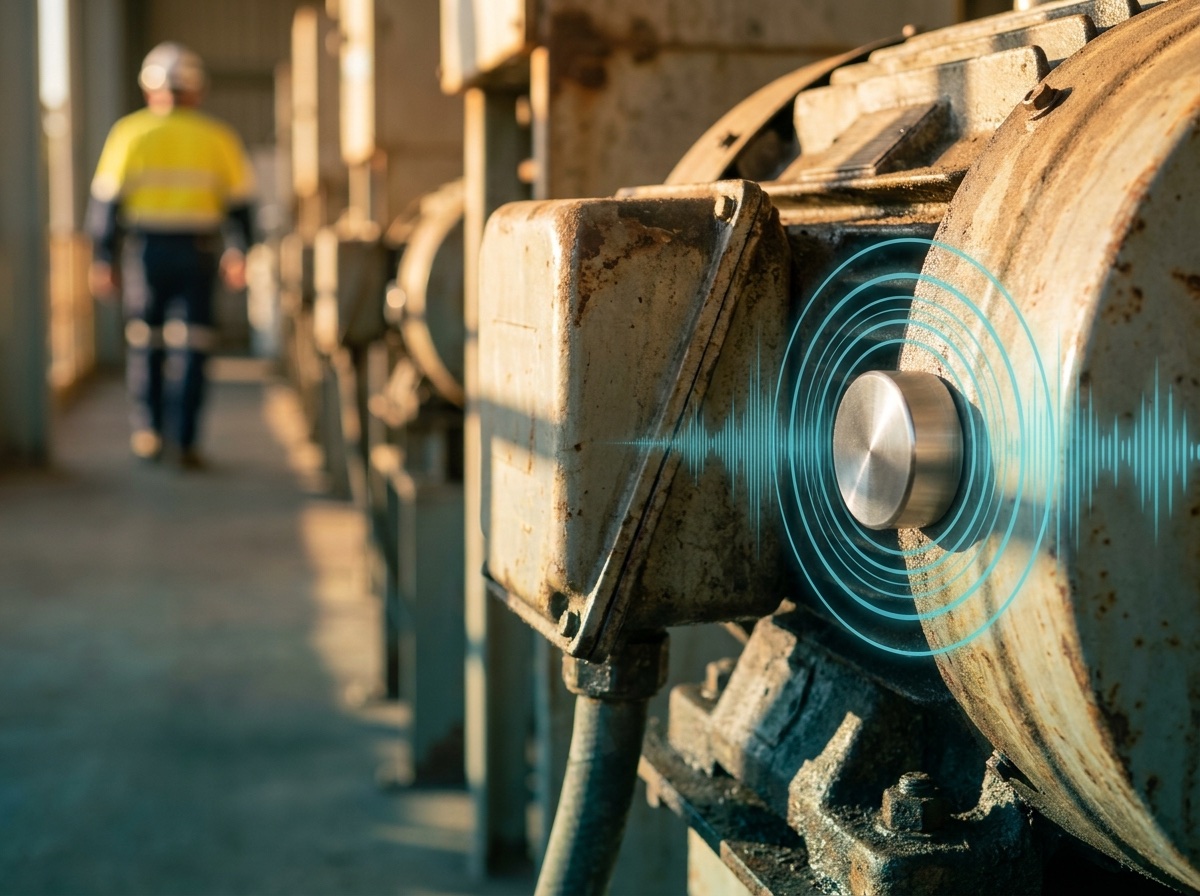
One of our customers reduced more than 53 incidents in a six-month period simply by monitoring vibration on their rotating machines, so the return on investment can be evident within a very short period.
2. Electrical Distribution Systems (Switchgear, Circuit Breakers and Power Panels)
After rotating machines, electrical distribution systems are the next priority for most operations. The remaining assets are not in strict order of importance, as that depends on what you manage and where your failures cluster.
While rotating machinery often gets the most attention, electrical distribution systems are equally critical. Switchgear, circuit breakers, power panels and electrical feeders safely distribute power throughout a facility, and a single failure can bring production to a standstill. Many electrical failures do not occur without warning. Overloaded circuits, deteriorating connections, phase imbalance, voltage fluctuations and abnormal current draw often develop gradually before they cause nuisance trips, equipment damage or an unplanned outage.
Modern non-intrusive current and voltage sensors install inside existing electrical panels in minutes, without interrupting operations. Rather than simply measuring energy consumption, they continuously monitor electrical health by capturing real-time voltage, current, power factor and load data. Combined with an industrial asset intelligence platform, they detect abnormal operating conditions, identify emerging faults and generate automated alerts whenever predefined thresholds are exceeded.
For maintenance teams, that means problems can often be identified well before a breaker trips or equipment loses power. Instead of responding to unexpected outages, engineers can investigate abnormal electrical behaviour, prioritise inspections and schedule maintenance based on actual operating conditions rather than fixed intervals. Monitoring electrical distribution is particularly valuable in utilities, mining, manufacturing plants and large commercial facilities, where even a brief power interruption can cause significant production losses, safety risks and costly downtime.
3. Pressurised Systems (Compressed Air, Hydraulic and Process Pipelines)
Pressure is one of the most valuable indicators of process health, yet it is often only monitored at critical control points rather than across the assets where failures begin. Compressors, hydraulic systems, process pipelines and water distribution networks all rely on stable operating pressures, and even small deviations can indicate developing problems long before they cause equipment failure or downtime.
A gradual drop in pressure may point to leaks, worn seals, blocked filters or deteriorating pumps, while unexpected spikes can signal valve failures, blockages or unsafe operating conditions. Left undetected, these issues reduce efficiency, increase energy consumption and can ultimately lead to unplanned shutdowns or costly equipment damage.
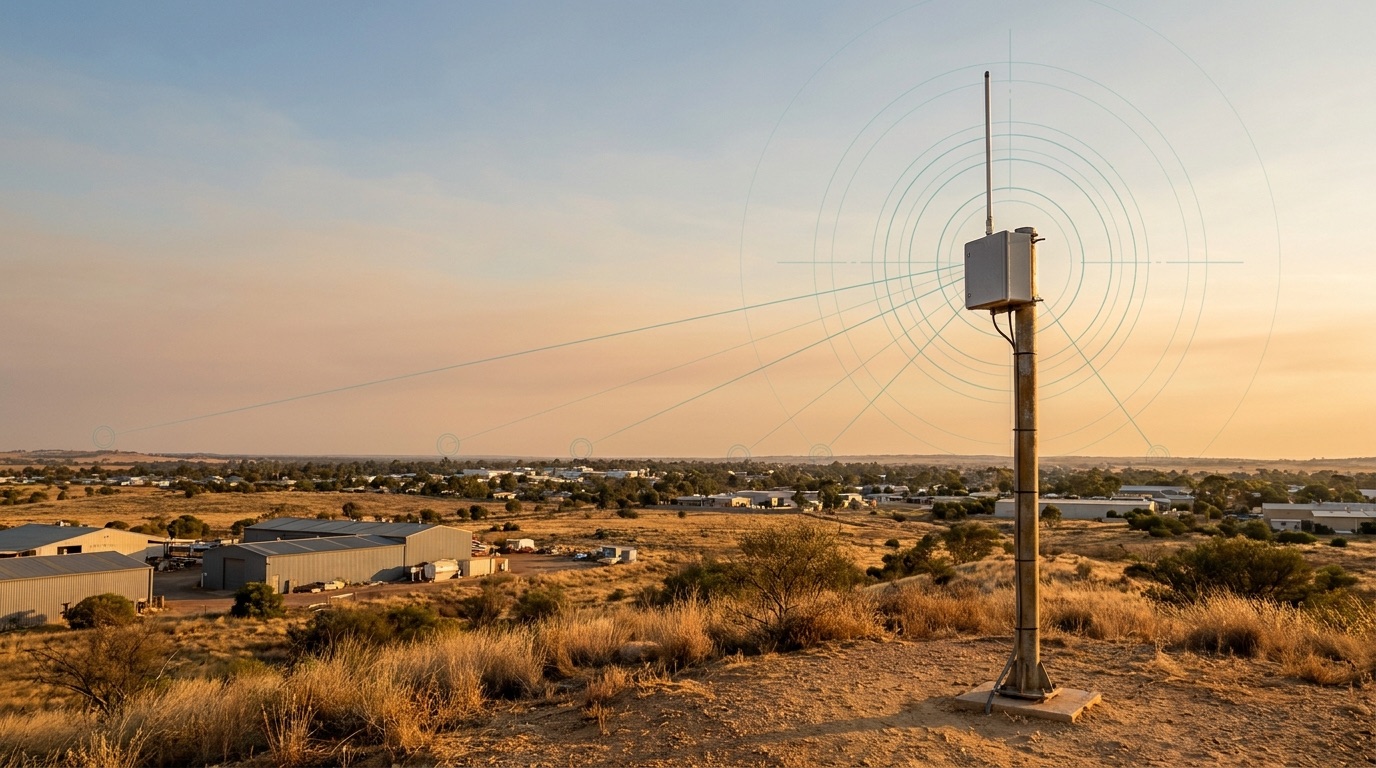
Modern wireless pressure sensors provide continuous, real-time monitoring without extensive wiring or infrastructure. Integrated with an industrial asset intelligence platform, pressure trends can be analysed alongside other operational data to identify abnormal behaviour, generate alerts and support predictive maintenance. Rather than relying on periodic inspections or responding after a failure, maintenance teams gain early visibility into changing process conditions, and can intervene before small issues become major disruptions.
Turn real time asset data into fewer failures
Meshed delivers scalable condition monitoring and predictive insights that help asset-intensive organisations reduce downtime, improve reliability and make better decisions.
4. Cold Chain and Refrigeration Assets
For organisations in food and beverage manufacturing, supermarkets, pharmaceuticals and cold storage, refrigeration assets are among the most business-critical systems to monitor. Keeping product within a defined temperature range is essential for preserving quality, ensuring food safety and meeting regulatory requirements. A refrigeration failure that goes unnoticed can quickly lead to spoiled inventory, production delays and significant financial losses.
Refrigeration systems rarely fail without warning. Temperature drift, compressor inefficiencies, refrigerant leaks, blocked condensers and excessive compressor cycling often develop gradually before a complete system failure. Continuous monitoring of temperature, humidity and equipment operating conditions lets teams catch these early warning signs and respond before product integrity is compromised.
Modern wireless sensors provide continuous visibility across cold rooms, freezers, refrigerated transport and display cabinets, with automated alerts whenever conditions move outside acceptable limits. Integrated with an asset intelligence platform, they protect valuable inventory and provide historical records for compliance reporting, quality assurance and predictive maintenance. Instead of discovering a refrigeration failure after stock has been lost, operators gain real-time insight into the health of both the refrigeration equipment and the cold chain itself. Unlike many industrial assets, a refrigeration failure does not just create maintenance costs. It can also cause immediate product loss, regulatory non-compliance and reputational damage.
5. Storage and Containment Assets (Tank and Silo Level Monitoring)
The final asset is storage infrastructure. It may not always be considered mission critical, but the integrity and availability of stored resources matter just as much across water utilities, mining, food processing and manufacturing.
Whether storing potable water, wastewater, diesel, chemicals, LPG or bulk materials, storage assets play a critical role in operational continuity. Unexpectedly empty tanks can interrupt production and essential services, while overfilled tanks create environmental, safety and regulatory risks. Despite their importance, many organisations still rely on manual inspections or infrequent level checks, leaving them exposed to avoidable incidents.
Continuous level monitoring gives operators real-time visibility of inventory across tanks, reservoirs, silos and storage vessels. Gradual changes in level can indicate leaks, excessive consumption or process inefficiencies, while unexpected increases may signal blocked outlets, pump failures or inflow issues. Early detection lets teams investigate abnormal conditions before they escalate into equipment failures, environmental incidents or costly disruptions.
Modern non-contact ultrasonic and radar level sensors provide reliable measurements across a wide range of applications, from remote water reservoirs and sewer networks to fuel storage tanks and chemical processing facilities. Integrated with an asset intelligence platform, level data combines with automated alerts, trend analysis and predictive reporting, so operators can optimise inventory management, schedule maintenance proactively and keep critical assets available when needed.
From Reactive to Predictive Maintenance
Whether you are monitoring vibration, electrical performance, pressure, temperature or storage levels, modern asset intelligence platforms transform raw sensor data into actionable insight, enabling organisations to move from reactive maintenance to predictive, condition-based asset management.
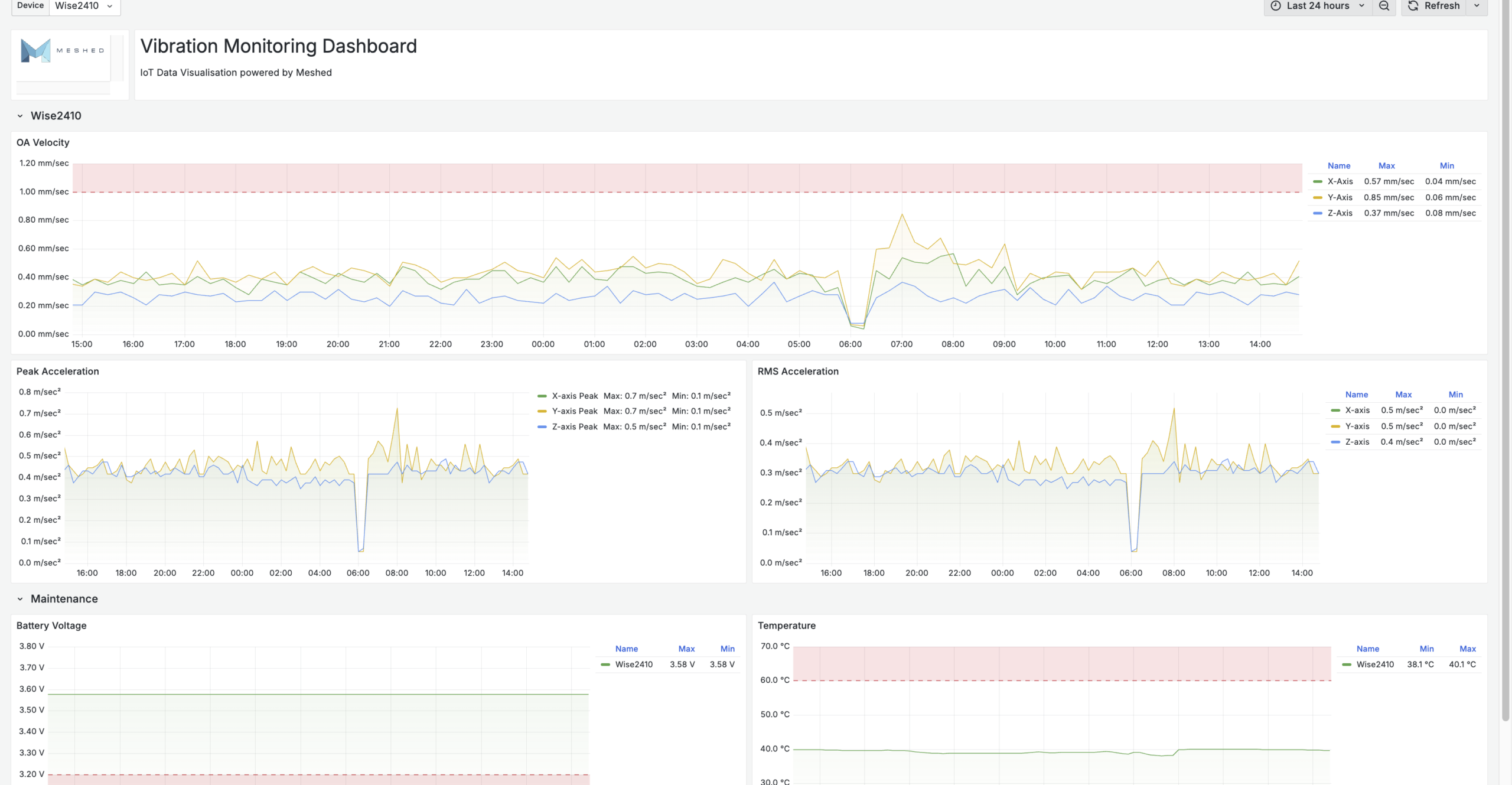
As a systems integrator, Meshed combines this sensing layer with the maintenance, SCADA and asset management systems you already run, so asset intelligence adds to your existing operation rather than becoming another isolated dashboard. The best place to start is your highest-value, highest-risk assets, then to expand as the results prove themselves. The organisations that gain the most are the ones that can sense conditions in real time, predict problems early and act before failure occurs.