Meshed/Industries/Smart Water

Real-time intelligence across your entire water network, from reservoir to residential meter

We deliver real time asset monitoring of water networks and systems using our enterprise-grade managed LoRaWAN and IoT platform systems for the water, utilities and environmental management sectors.
Speak to a Meshed expert See where we deliver
A direct line to our deployment team, real-time intelligence from metropolitan networks to remote sites.
200,000
connected sensors, the design capacity of a private metropolitan and regional water-utility network we deployed
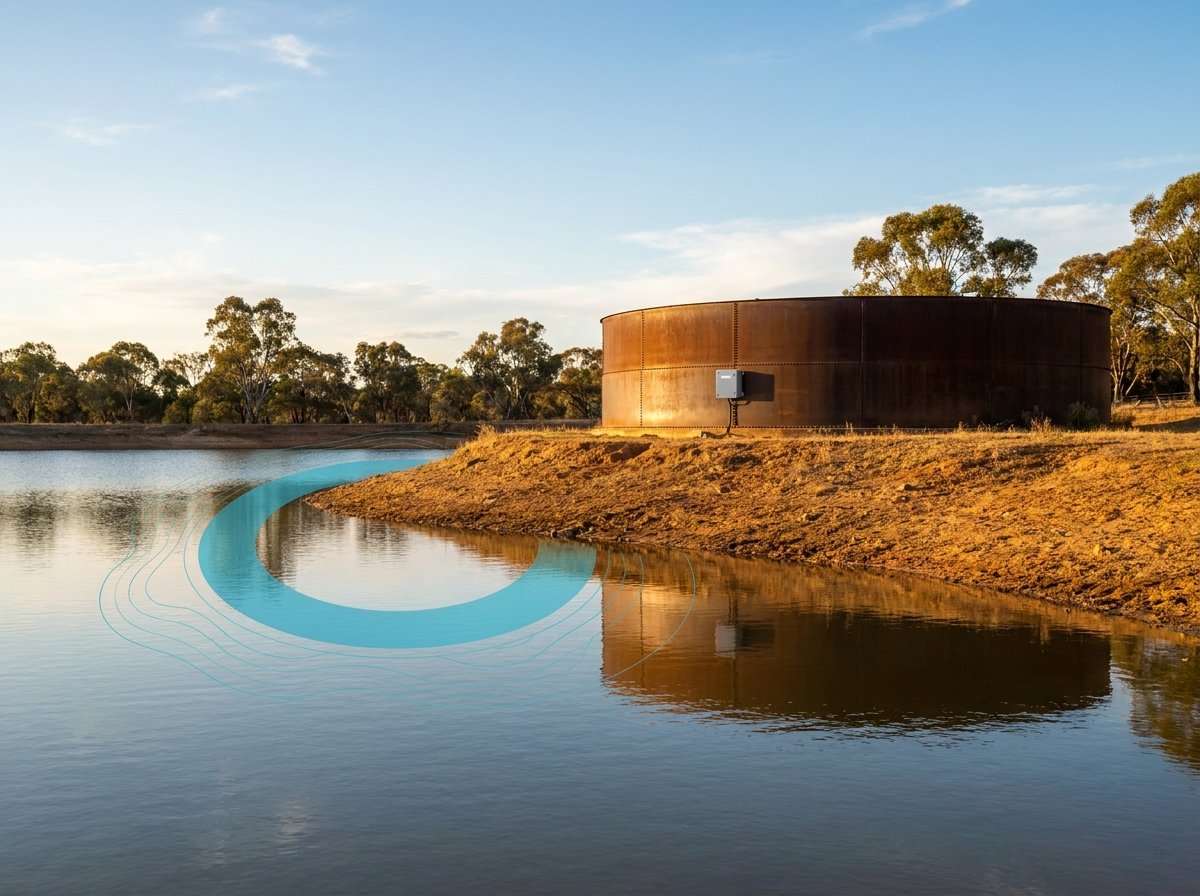
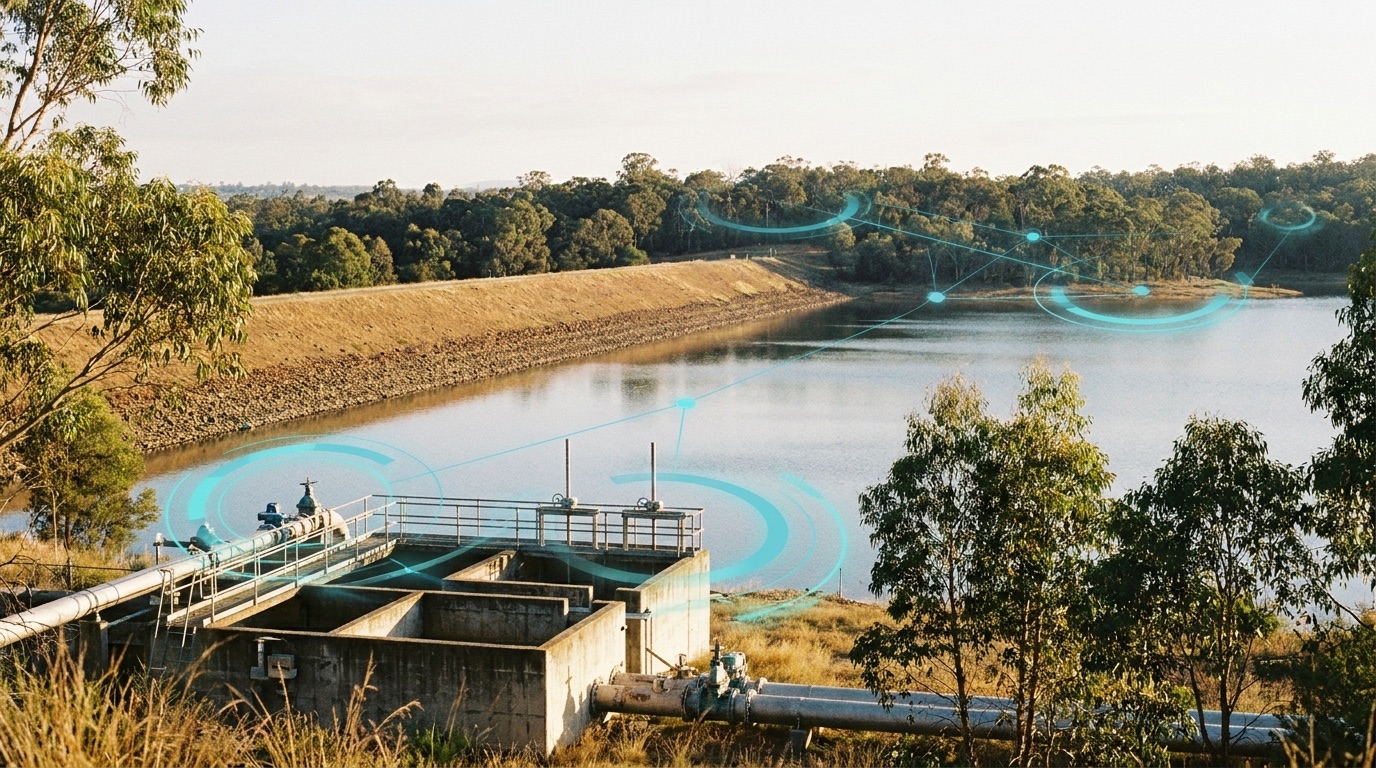
An Australian reservoir and water treatment structure in warm daylight, with a restrained teal data overlay across the water surface.
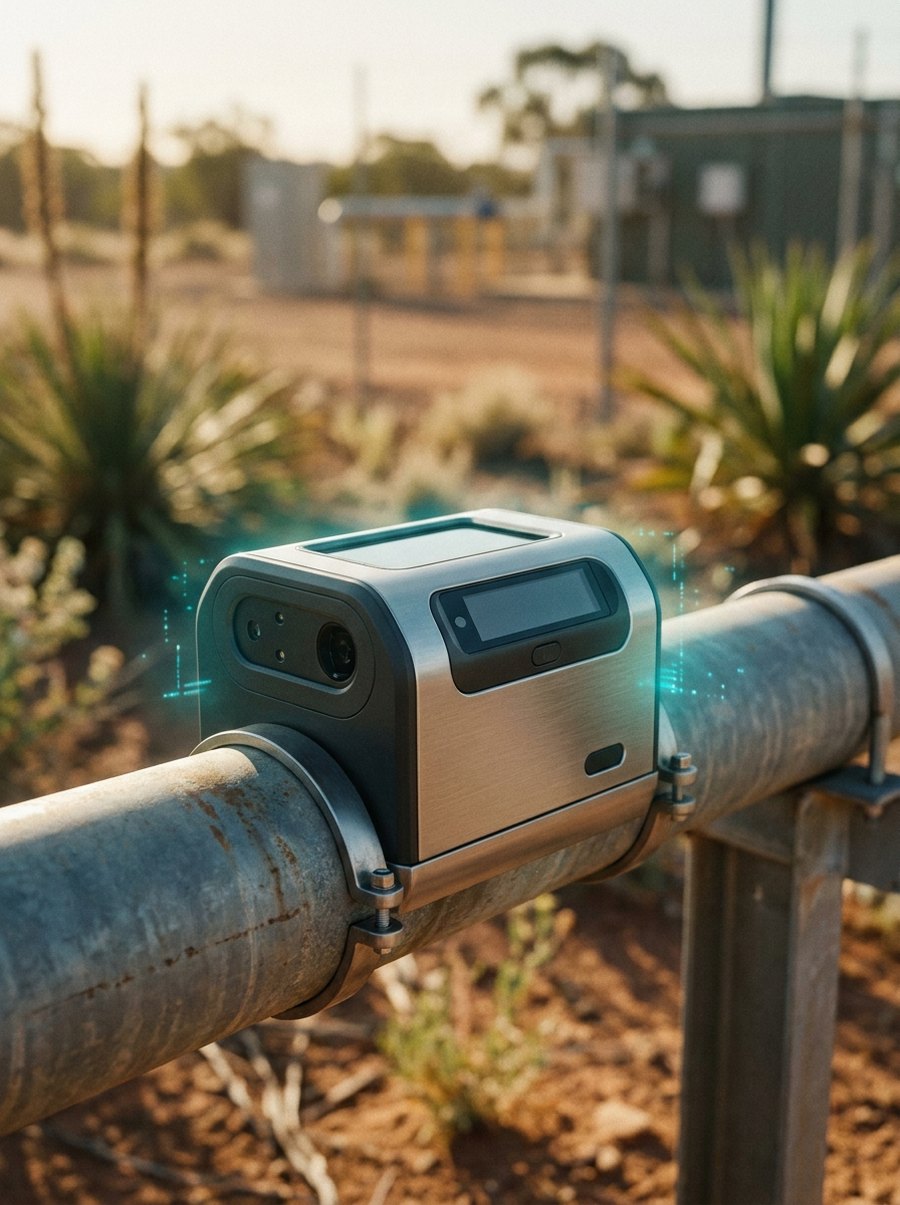
A modern smart water sensor and flow meter clamped to a pipe at an Australian utility site, with a subtle teal data glow in warm daylight.
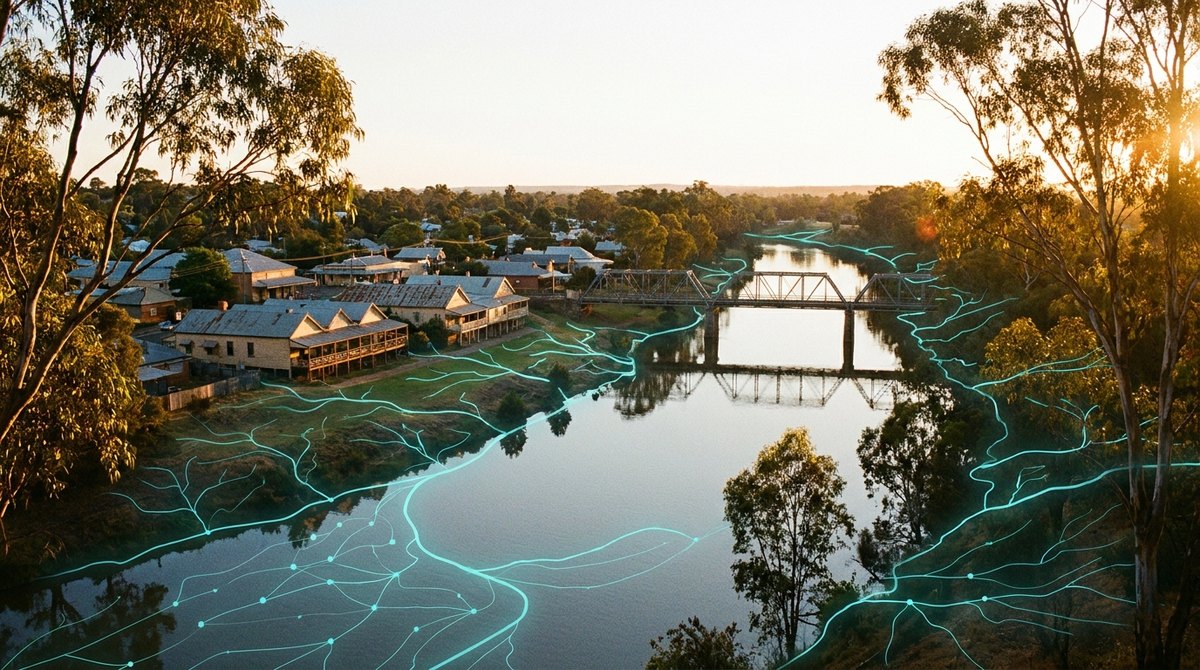
A golden-hour Australian riverside town with a heritage bridge, overlaid with a teal smart-water network tracing the river through the community.
The problem behind the problem

Most water losses and failures are found after the network has already paid for them

Traditional water utility monitoring systems were designed around SCADA platforms, RTUs, PLCs and proprietary telemetry networks focused on a relatively small number of critical infrastructure assets.

While these systems remain essential for operational control, they often lack the scalability, flexibility and real-time visibility required to support modern distributed utility networks.

Higher maintenance costs and water losses across the network.

Delayed incident response when conditions change in the field.

Infrastructure failures and reduced service reliability.

Water authorities and utilities today face increasing pressure to reduce non-revenue water, improve operational efficiency, respond faster to environmental events, maintain ageing infrastructure and meet growing sustainability and compliance obligations. Legacy telemetry systems can be expensive to scale and are often not designed to support thousands of connected low-power sensors across geographically dispersed environments.

Without real-time operational visibility, utilities risk higher maintenance costs, delayed incident response, water losses, infrastructure failures and reduced service reliability.
One managed system, from the sensor in the field to the enterprise platform

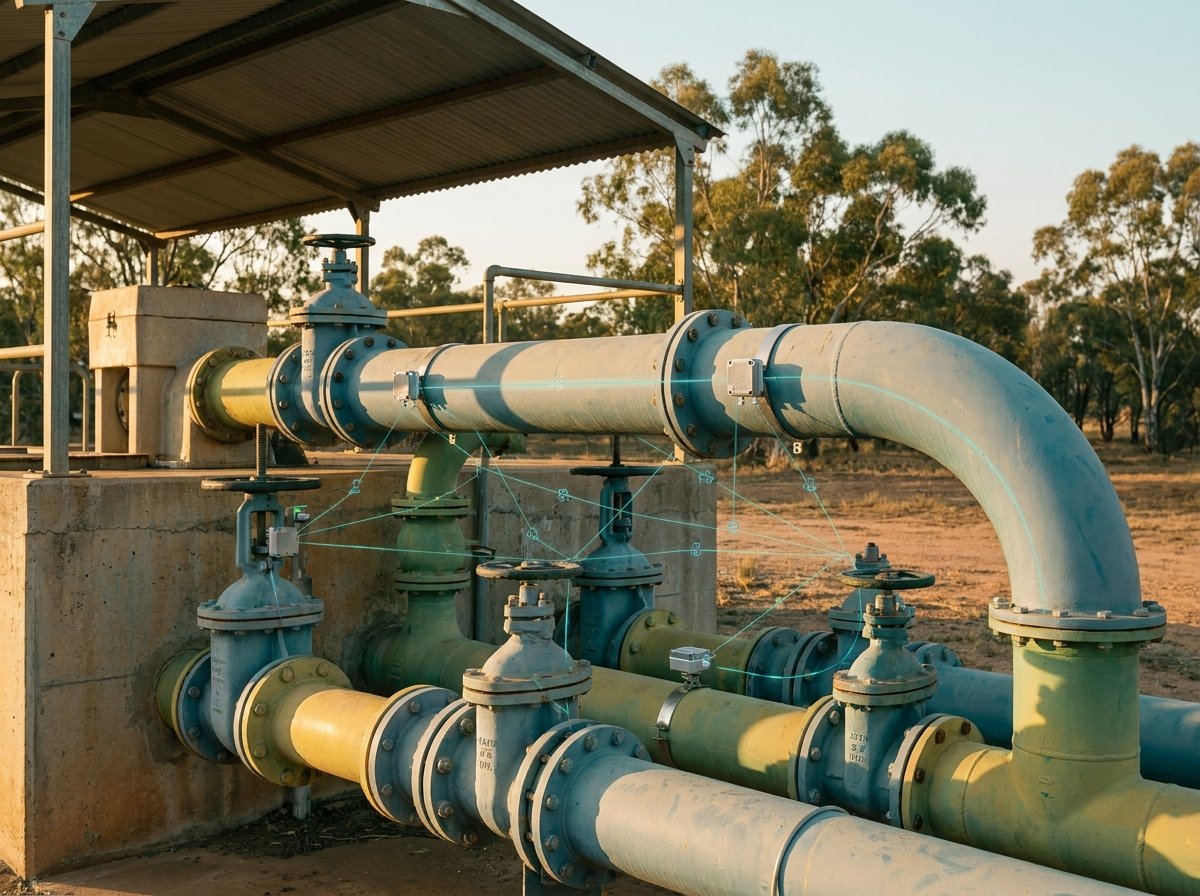
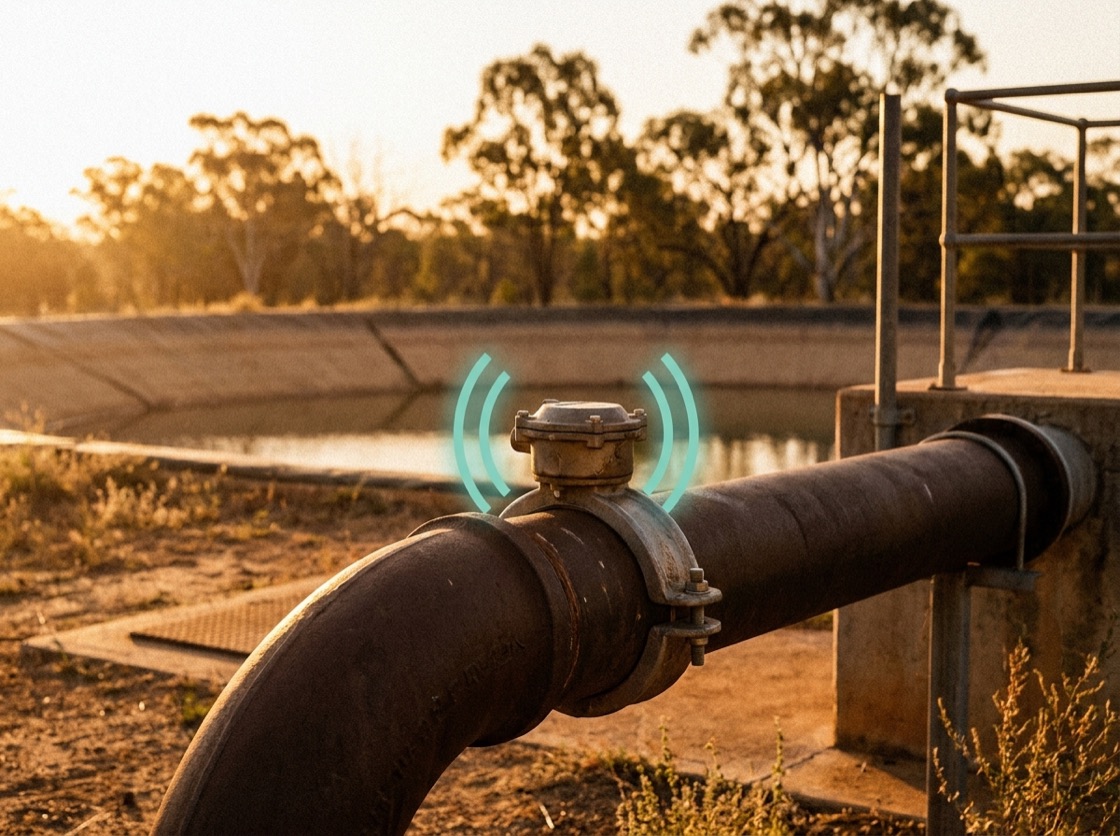
A water pipe and valve with a sensor node emitting a teal signal overlay, beside a reservoir in warm Australian daylight.

We source industrial grade sensors for a wide range of use cases that are proven in field with long lasting battery life and highly configurable options for data accuracy.

Our secure and scalable managed networks enable utilities, councils and infrastructure operators to deploy large-scale, low-power sensor networks for real-time monitoring, predictive maintenance, digital water metering and environmental intelligence.

Our platforms provide continuous visibility into critical infrastructure assets including water networks, sewer systems, stormwater infrastructure, reservoirs, pumps and environmental monitoring systems, enabling smarter, faster and more proactive operational decision-making.

The goal is not simply more data. It is proactive, predictive operational intelligence across every asset in the network.

Find your water world, and the live screen behind it

We support a wide range of smart water and environmental monitoring applications across metropolitan, regional and remote environments. Select the world that matches your operation.

Bill accurately, and catch losses at the customer connection.

Real-time monitoring of water usage, leak detection and customer consumption analytics.

Typical real-time data
  • Flow rates
  • Total consumption
  • Flow and leak alerts
  • Pressure
  • Reverse flow events
See the data use cases
Predict and prevent the overflow before it spills.

Overflow detection, level monitoring and environmental risk management.

Typical real-time data
  • Wet well levels
  • Surcharge events
  • Infiltration and inflow
  • Overflow alarms
  • Pump status
See the data use cases
Catch the pressure transient before it bursts the main.

Identification of pressure anomalies, hidden leaks and burst pipe events.

Typical real-time data
  • Zone pressure
  • Pressure transients
  • Acoustic sensing
  • Vibration analysis
  • Flow anomalies
See the data use cases
Protect supply, from storage level to water quality.

Monitoring of levels, pressure, water quality and operational continuity.

Typical real-time data
  • Water levels
  • Inflow and outflow
  • Tank pressure
  • Turbidity
  • Chlorine residuals
  • Temperature
See the data use cases
See the rainfall and river level before the flood arrives.

Early warning systems for flood conditions, rainfall events and environmental compliance monitoring.

Typical real-time data
  • River and creek levels
  • Stormwater flows
  • Tidal monitoring
  • Rainfall
  • Soil moisture
  • Weather data
See the data use cases
Keep eyes on the distributed assets others cannot reach.

Monitoring of pumps, valves, pipelines and critical field infrastructure.
Typical real-time data
  • Valves
  • Hydrants
  • Actuators
  • Gates
  • Remote RTUs and field devices
See the data use cases
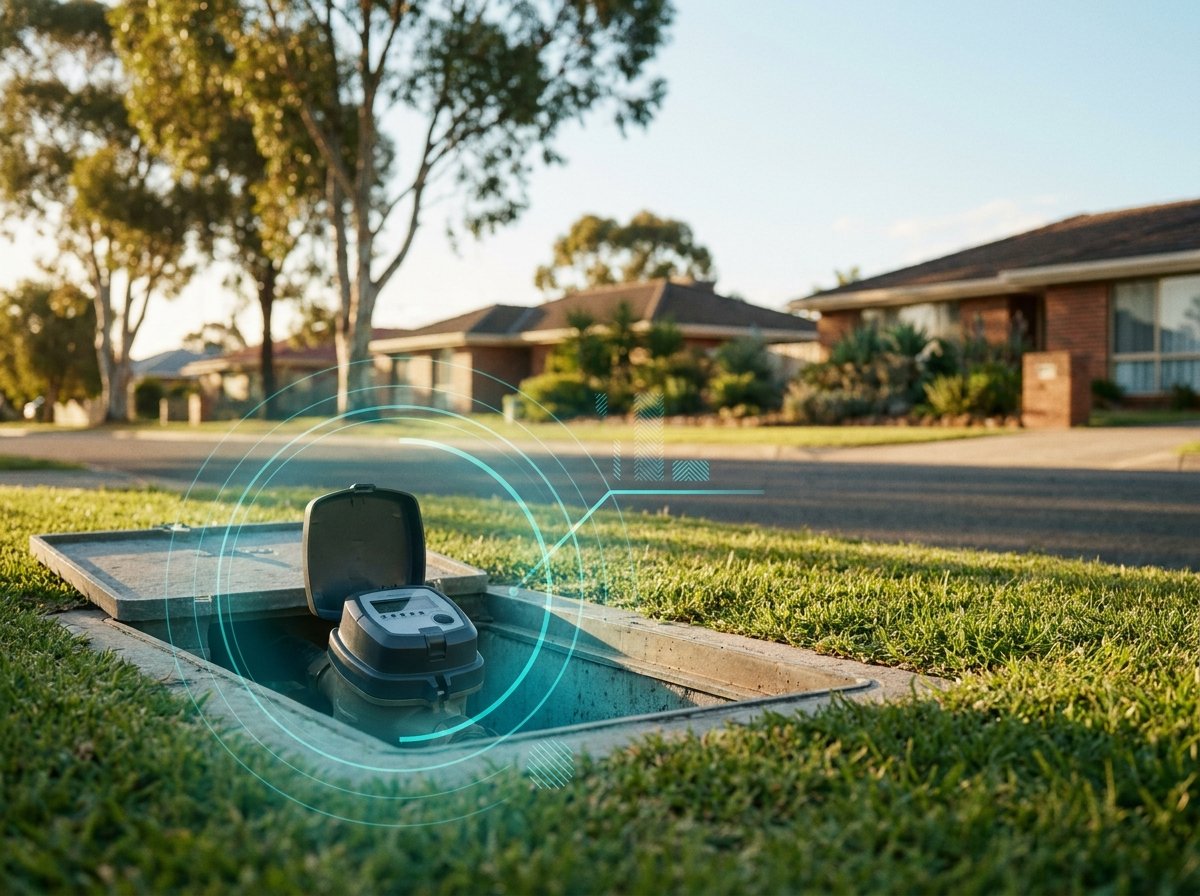
A digital water meter in a kerbside pit on an Australian suburban street, with a subtle teal data overlay tracing usage from the customer connection.
Digital metering at the customer connection: real-time usage and early leak signals from the kerbside meter.
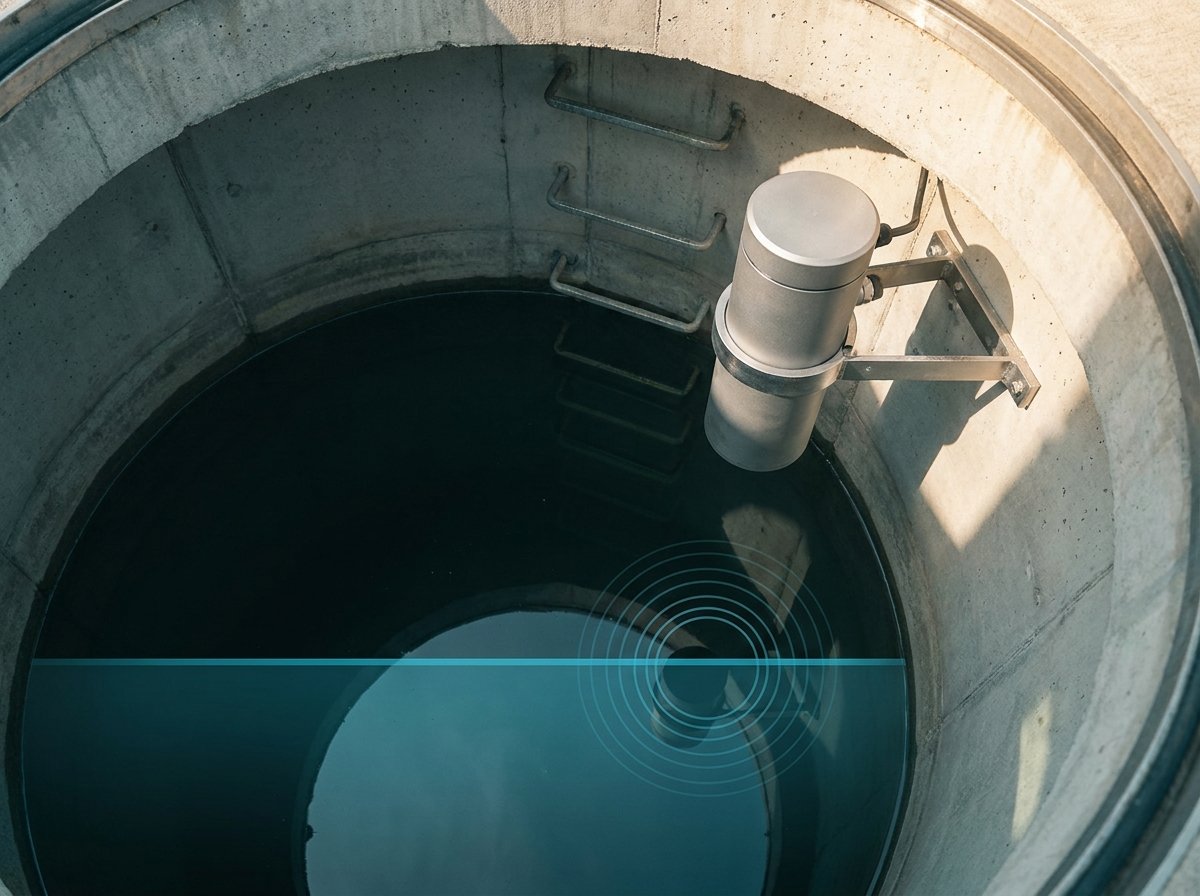
A clean level sensor mounted in a sewer or stormwater wet well at an Australian utility site, well lit, with a subtle teal overlay on the water surface.
Level sensing in the wet well, predicting the overflow before it spills.
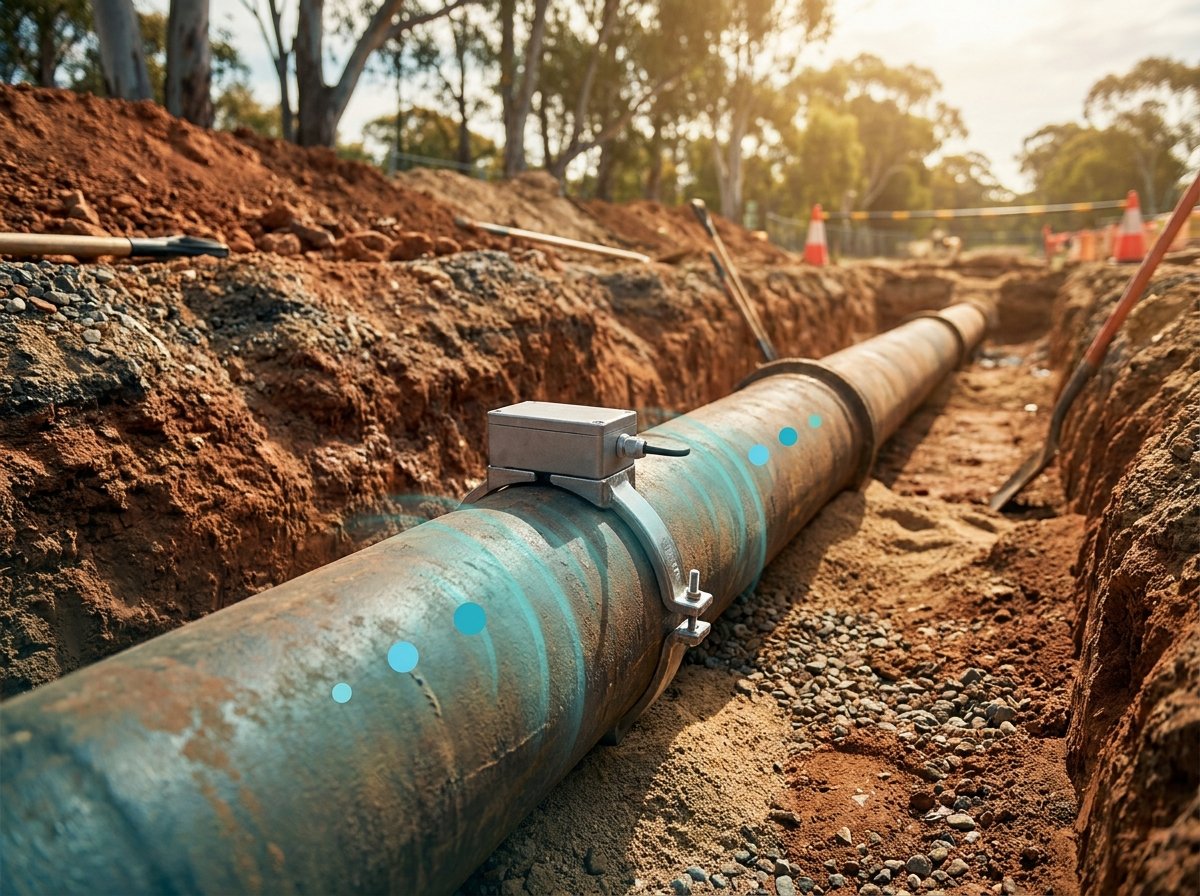
A pressure and acoustic sensor node clamped to a buried water main in an open trench at an Australian worksite, with a thin teal pressure-wave overlay along the pipe.
Pressure and acoustic sensing on the main, catching the transient before the burst.
An Australian water reservoir and tank in warm daylight with a small level sensor on the tank wall and a restrained teal data ring on the water surface.
Level and water-quality sensing at the reservoir, protecting supply continuity.
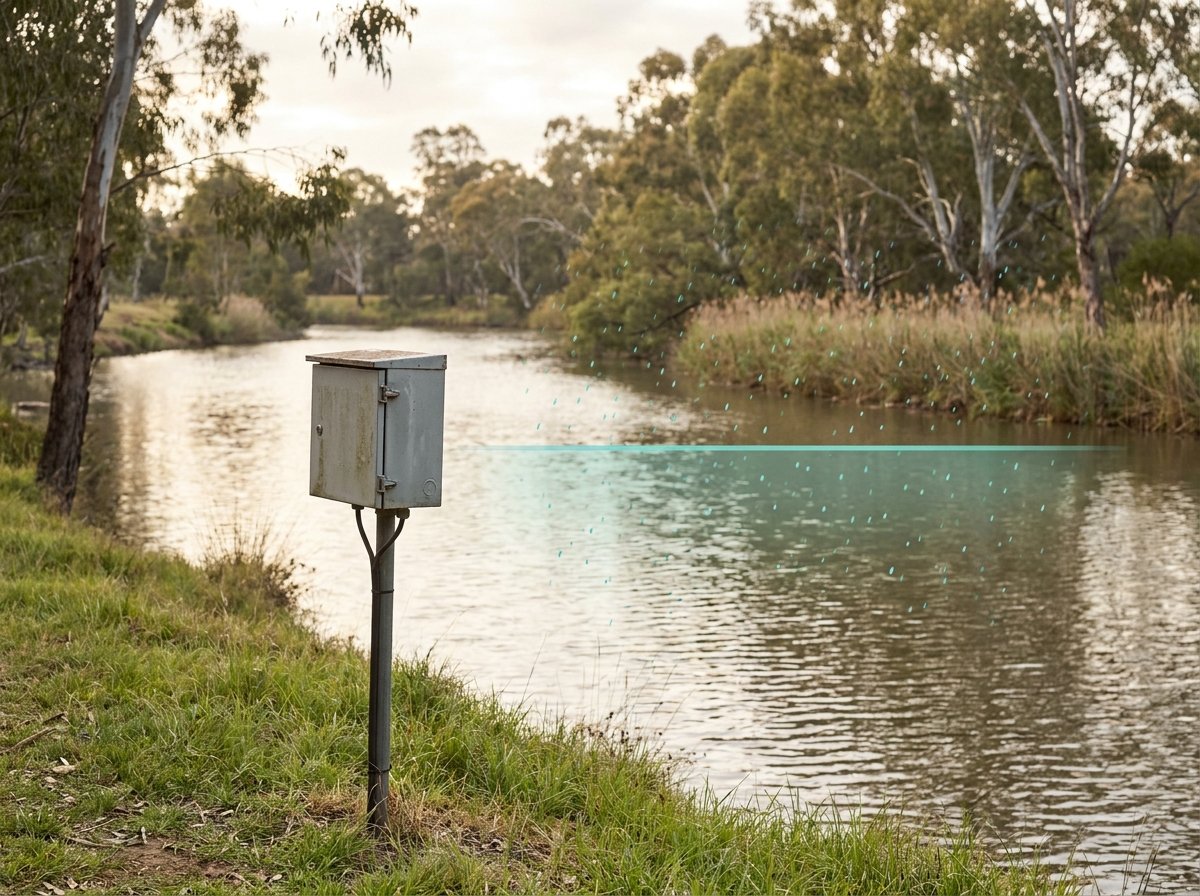
A small river-level monitoring enclosure mounted on the bank of an Australian creek in warm daylight, with a subtle teal level-and-rainfall overlay.
River and rainfall sensing on the bank, early warning before the flood arrives.
An Australian pumping station with a pump and valve manifold carrying small generic sensor nodes on the pipework, warm daylight, subtle teal telemetry overlay.
Pump and valve telemetry in the field, eyes on the assets others cannot reach.

Popular real-time data use cases for better water management

The table below highlights the broad range of operational and environmental data that can be collected using LoRaWAN-enabled sensors to support remote asset monitoring, predictive maintenance and real-time operational intelligence. By providing early visibility of emerging infrastructure issues and network performance trends, these solutions help water authorities and councils reduce operational costs, optimise maintenance activities, improve service reliability and minimise unnecessary expenditure.

Select a use case to explore the data it captures and the operational benefit it delivers.

Digital Water Metering
Flow rates, total water consumption, continuous flow and leak alerts, pressure monitoring, reverse flow events
Early leak identification, improved demand forecasting, customer usage insights, automated billing support, water conservation programs, abnormal consumption detection and reduced non-revenue water (NRW)
Pressure Monitoring
Real-time pressure monitoring across zones, mains and critical network points
Detect pressure drops, spikes and transient events, reduce burst pipe risks, optimise network balancing, improve operational response times and maintain service reliability during peak demand periods
Leak and Burst Detection
Acoustic sensing, vibration analysis, flow anomalies, pressure transients
Rapid identification of hidden leaks and burst events, reduction in water losses, prioritised maintenance planning, minimised infrastructure damage and improved response times for field crews
Reservoir and Tank Monitoring
Water levels, inflow and outflow rates, tank pressure, turbidity, chlorine residuals, temperature
Optimise storage management, maintain operational continuity, improve water quality compliance, automate alarm notifications and support predictive supply management during peak demand or emergency events
Sewer and Overflow Monitoring
Wet well levels, sewer surcharge events, infiltration and inflow data, overflow alarms, pump status
Predict and prevent sewer overflows, monitor wet weather impacts, improve environmental compliance, reduce emergency maintenance events and support long-term sewer capacity planning
Pump Station Monitoring
Pump runtimes, vibration monitoring, motor current, energy consumption, fault alarms, temperature monitoring
Improve pump efficiency, reduce operational energy costs, predict equipment failures before outages occur, optimise preventative maintenance scheduling and extend asset life cycles
Flood and Environmental Monitoring
River and creek levels, stormwater flows, tidal monitoring, rainfall and pluviometry, soil moisture, weather data
Improve flood prediction and emergency response capabilities, correlate rainfall events with sewer inflow and stormwater impacts, support environmental management programs and improve public safety outcomes
Water Quality Monitoring
pH, conductivity, turbidity, dissolved oxygen, chlorine residuals, temperature, salinity
Support regulatory compliance, identify contamination events early, improve public health protection, automate compliance reporting and enhance operational visibility across water distribution networks
Asset Condition Monitoring
Vibration sensing, structural movement, corrosion monitoring, temperature, humidity, power quality, operational runtimes
Enable predictive maintenance strategies, identify deteriorating infrastructure before failure, reduce unplanned outages, optimise asset replacement planning and extend the operational life of critical infrastructure assets
Remote Asset Telemetry and Monitoring
Status monitoring of valves, hydrants, actuators, gates, remote RTUs and field devices
Improve operational visibility of distributed infrastructure, reduce field inspection requirements, automate alarm management and support rapid fault diagnosis and response
Asset Tracking and Field Operations
GPS location, movement status, operational health of portable assets including pumps, generators and maintenance equipment
Improve asset utilisation, reduce equipment loss and theft, streamline field operations, optimise maintenance scheduling and improve resource allocation across operational teams
AI, Predictive Analytics and Digital Twins
Aggregated historical telemetry, real-time sensor data, hydraulic models, GIS and ESRI integration datasets
Support AI-driven predictive maintenance, identify infrastructure failure risks, optimise network performance, improve long-term capital planning and enable advanced digital twin visualisation and operational modelling

A scalable smart water infrastructure, end to end

We combine managed LoRaWAN connectivity, industrial-grade sensing technologies, cloud-based analytics and real-time dashboards to deliver scalable smart water infrastructure, designed to bolt onto the control systems you already run.

This enables utilities to transition from reactive maintenance models to proactive and predictive operational strategies supported by real-time data insights.

Step 01

Secure network deployment

Deployment of secure public or private LoRaWAN networks across metropolitan, regional and remote environments.

Step 02

Distributed sensor integration

Integration of low-power IoT sensors across distributed assets, sourced as industrial-grade hardware proven in field with long battery life.

Step 03

Real-time telemetry collection and analytics

Operational telemetry is collected continuously and analysed as it arrives, turning raw field readings into decision-grade operational visibility.

Step 04

Automated alerts, alarms and operational workflows

Automated alerts, alarms and operational workflows flag anomalies the moment they emerge, not at complaint stage.

Step 05

Enterprise integration

Integration with SCADA, GIS, asset management and enterprise systems feeds real-time data into the platforms your teams already run.

Step 06

AI-driven analytics and predictive maintenance

AI-driven analytics and predictive maintenance models move operations from responding after failure to acting before it.

Beyond connectivity

Analytics, alerting and the connectivity layer underneath

Data analytics, AI and digital twins

Modern utilities increasingly rely on data analytics, AI and predictive maintenance models to optimise infrastructure performance and reduce operational risk.

Our platforms enable utilities to aggregate and visualise large-scale sensor data, automate reporting, support predictive maintenance workflows and provide data inputs into machine learning and digital twin environments.

By integrating real-time telemetry with GIS systems, hydraulic models and historical operational data, utilities can improve planning, forecasting and long-term infrastructure management.
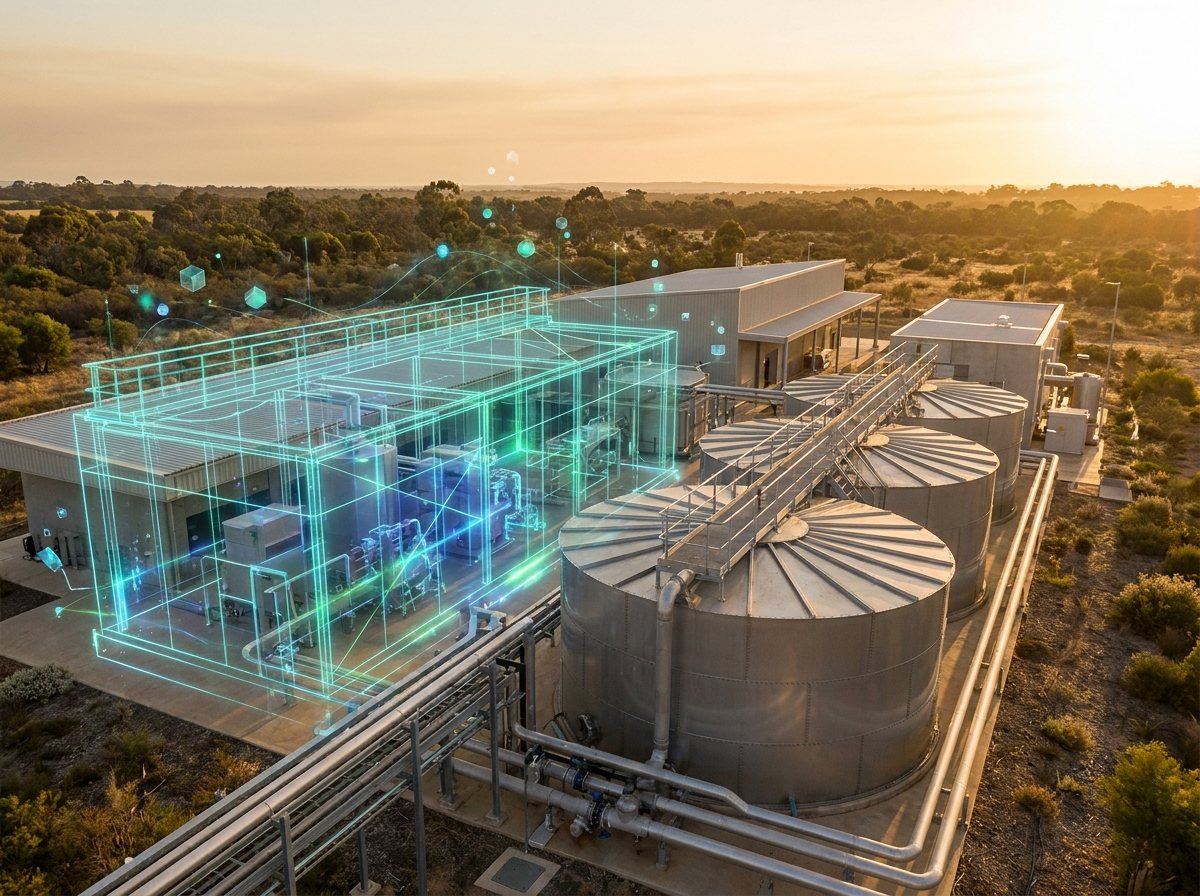
An Australian water treatment facility mirrored by a translucent teal digital-twin data model

Real-time monitoring and alerting

Utilities can receive near real-time alerts for critical operational events including:
  • Flood conditions
  • Sewer overflows
  • Pressure anomalies
  • Water quality events
  • Asset failures and pump alarms
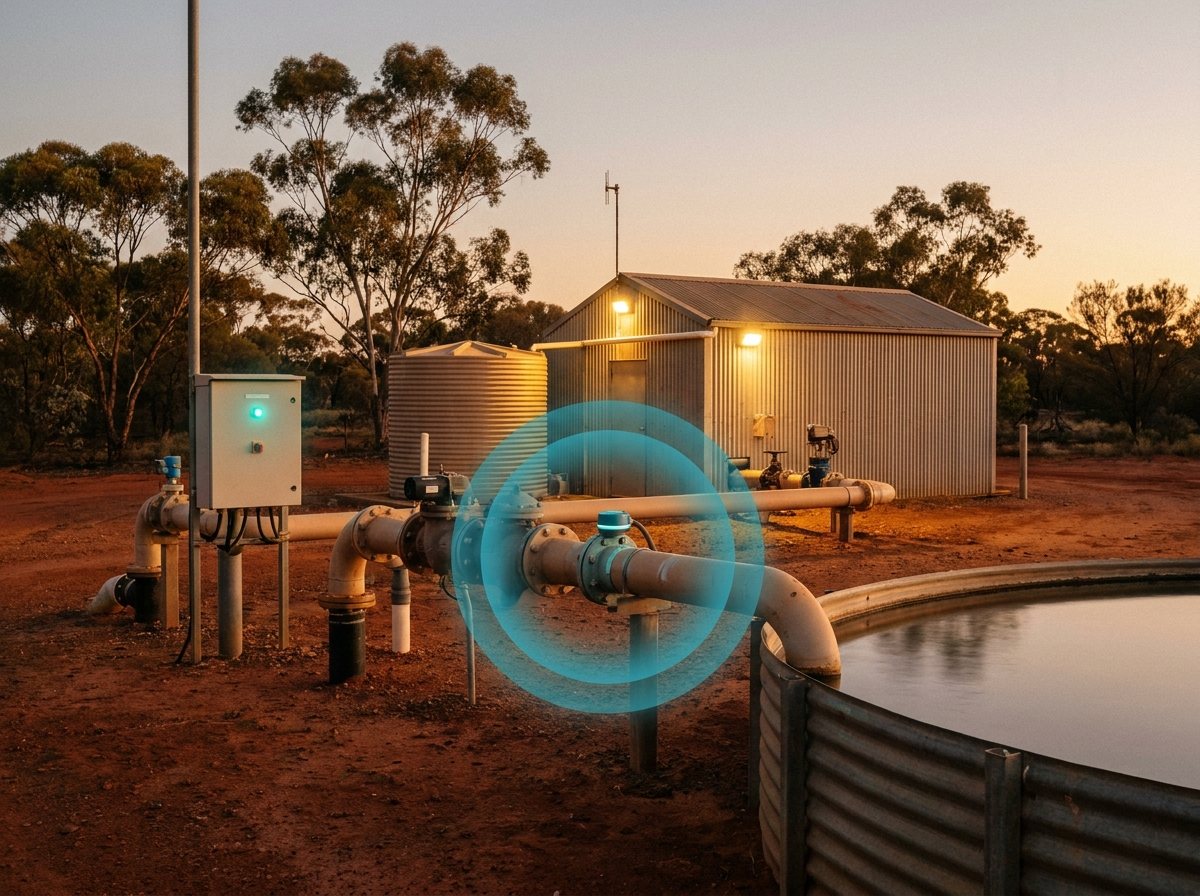
A water pump station at dusk with a teal real-time alert pulse radiating from a sensor node

Why LoRaWAN for smart water networks

LoRaWAN has emerged as a leading connectivity technology for smart utility and environmental monitoring applications because of its ability to provide reliable, low-power and cost-effective telemetry across large geographic areas. Key benefits include:
  • Long battery life for low-maintenance deployments
  • Excellent metropolitan, regional and underground coverage
  • Lower operating costs compared with traditional cellular telemetry
  • Highly scalable infrastructure supporting thousands of sensors
  • Secure end-to-end encrypted communications
  • Open integration with SCADA, GIS, ERP and analytics platforms
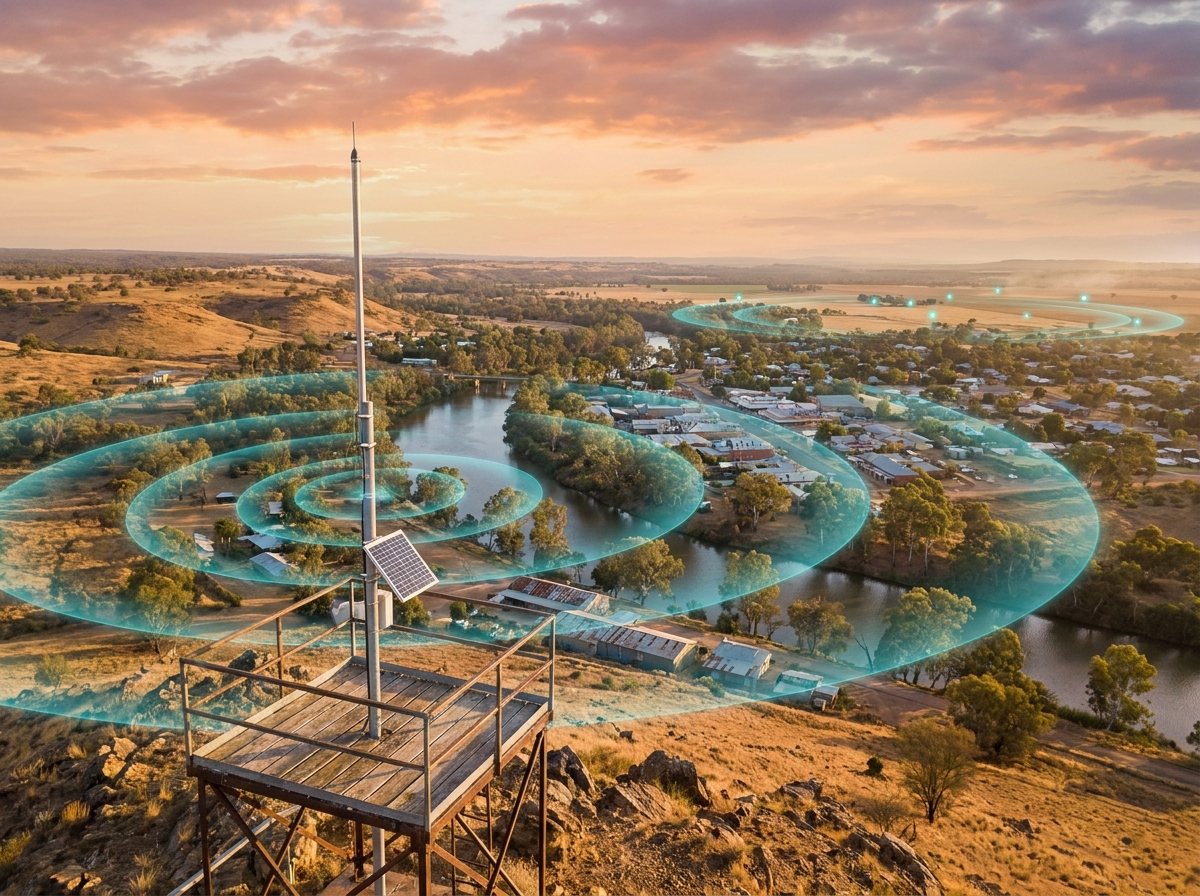
A LoRaWAN gateway antenna with teal coverage rings radiating across an Australian town and river

Customer and community engagement

LoRaWAN-enabled digital metering and monitoring platforms also support customer-facing applications such as:
  • Water usage dashboards
  • Leak notifications
  • Conservation programs
  • Self-service consumption analytics
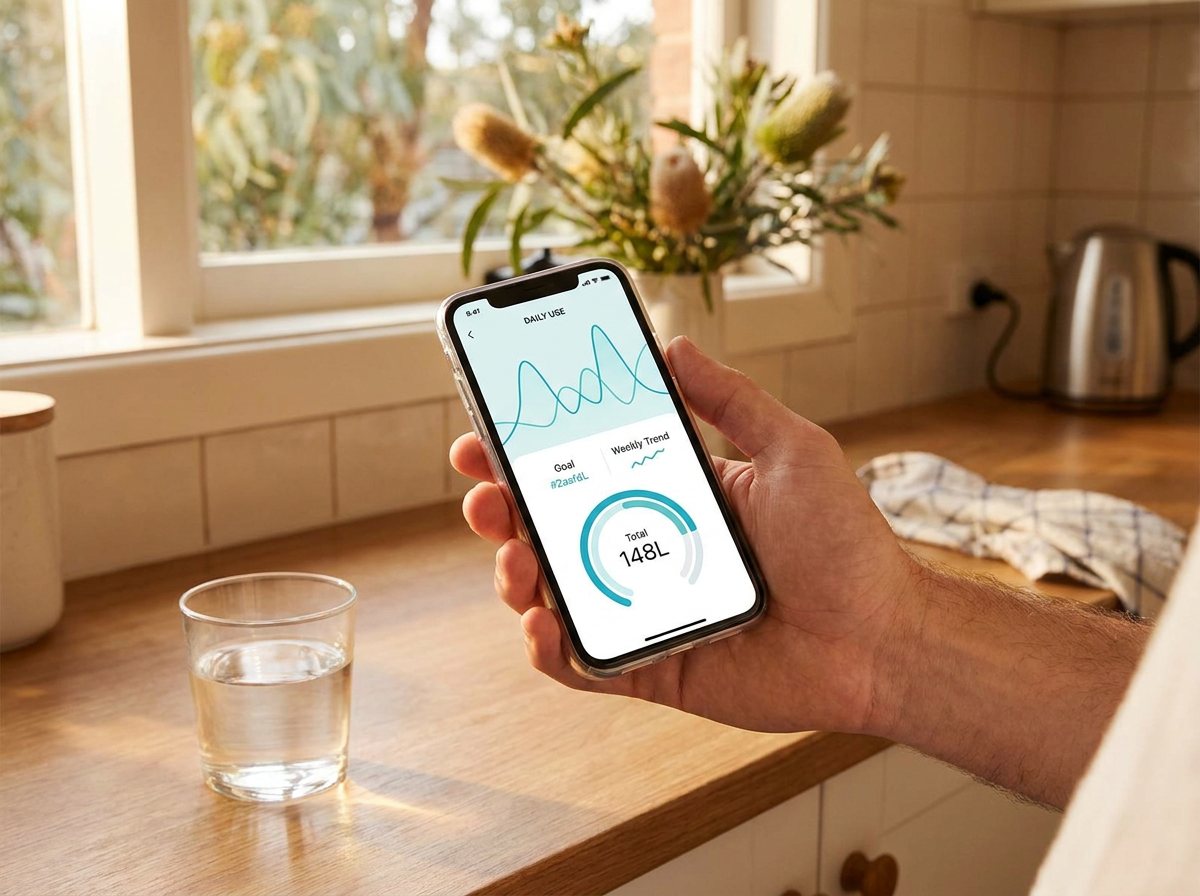
A hand holding a phone showing a teal water-usage dashboard in a bright Australian kitchen

From drive-by meter reads to a network built for 200,000 connected sensors

We have successfully delivered large-scale smart water, environmental monitoring, and critical infrastructure connectivity projects across Australia, supporting utilities, councils, and government agencies in their transition toward data-driven operations and resilient infrastructure management.

200,000
connected sensors, the design capacity of a private metropolitan and regional water-utility network
2,000+
square kilometres of industrial-grade private network across Western Sydney, co-hosting with Sydney Water and councils

Queensland Water Utility, private metropolitan and regional LoRaWAN network

Deployment of a large-scale private LoRaWAN network designed to support up to 200,000 connected sensors across metropolitan and regional environments. The network enables sewer monitoring, remote asset telemetry, infrastructure visibility, and real-time operational intelligence across critical utility assets.

Western Sydney LoRaWAN network, industrial-grade private network

Design and deployment of an industrial-grade private LoRaWAN network spanning more than 2,000 square kilometres across Western Sydney. The network supports a wide range of smart utility applications including digital water metering, flood level sensing, environmental monitoring, and remote asset management. Through a collaborative co-hosting model with Sydney Water and local councils, the project is also delivering broader community, sustainability, and local industry benefits.
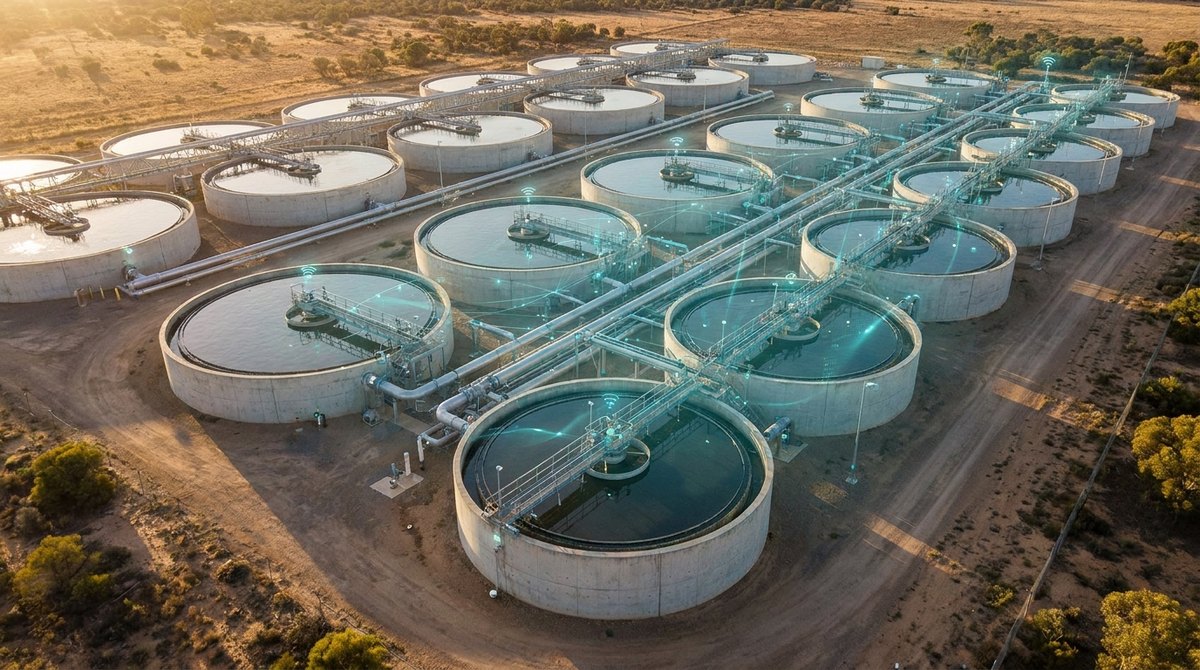
An aerial view of a large-scale Australian water treatment plant, rows of clarifier tanks and pipework carrying deployed sensors, in warm golden light.
Critical water infrastructure at scale, monitored sensor by sensor across a private network.
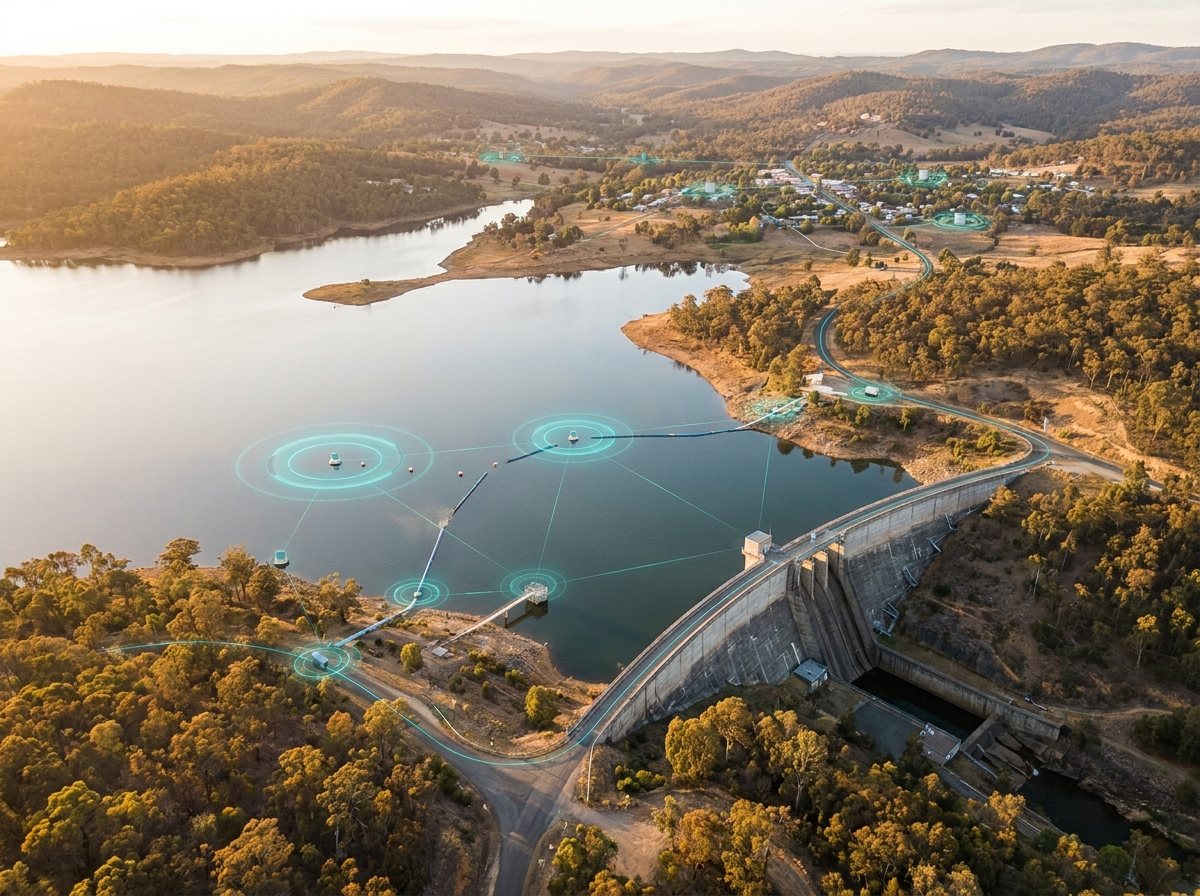
Smart water and environmental sensing networks delivered at scale across an Australian reservoir and town
Smart water and environmental sensing networks, delivered at scale across Australia.

Digital water metering and managed IoT platforms

Delivery of managed LoRaWAN network server platforms and smart water metering infrastructure for multiple Australian councils and regional water authorities, enabling real-time consumption monitoring, leak detection, and operational analytics.

Environmental, flood and water quality monitoring networks

Deployment of large-scale environmental sensing networks supporting flood monitoring, water quality management, rainfall monitoring, and environmental compliance initiatives for state government agencies, parks authorities, and emergency services organisations.

What these deployments demonstrate
Real-time operational visibility
Predictive maintenance strategies
Improved environmental resilience
Faster incident response
Reduced operational costs
Long-term sustainability and infrastructure optimisation
Why operators choose us

The evolution from SCADA to operational intelligence

For water utilities, councils and infrastructure operators seeking greater operational visibility and resilience, we are the managed IoT and LoRaWAN systems provider that delivers scalable, secure and real-time smart water monitoring infrastructure. Unlike traditional telemetry-only approaches, we combine managed connectivity, industrial IoT sensing, cloud analytics and enterprise integration to enable predictive operations, improved asset performance and data-driven decision-making at scale.

A comparison of traditional telemetry techniques with modern day IoT approaches, a high-level view of how traditional approaches to remote asset management and SCADA have been upgraded in recent years with more autonomous and low-cost sensing and data reporting.

Traditional utility systemsTraditional purposeModern IoT and LoRaWAN upgrade
SCADA systemsCentralised operational monitoring and controlCloud-based analytics, dashboards and real-time operational intelligence
RTUs (remote terminal units)Remote telemetry collection from field assetsLow-cost distributed IoT sensor networks and edge telemetry
PLC-based monitoringLocal process automation and equipment controlSmart sensors with predictive analytics and remote monitoring
Cellular and radio telemetryPoint-to-point asset communicationsScalable LPWAN networks including LoRaWAN and NB-IoT
Manual pressure loggersPeriodic pressure and flow analysisContinuous real-time pressure and flow monitoring
Traditional AMR meter readingScheduled or drive-by water meter collectionReal-time digital water metering and customer analytics
Standalone flood monitoring stationsIsolated environmental monitoring sitesIntegrated flood, rainfall and environmental sensor networks
Reactive maintenance programsResponding after equipment failurePredictive maintenance using AI and real-time telemetry
Siloed asset management systemsManual operational reportingIntegrated GIS, SCADA, digital twin and analytics platforms
Why Meshed

Why Meshed for your connected water partner

Significant utility deployment experience
Carrier-grade managed LoRaWAN infrastructure
Wide range of industrial grade sensor solutions
Multi-vendor sensor integration using global standards and end to end encryption from device to application
Data analytics and insights using highly secure hosted cloud platforms
Seamless ability to bolt on real time data acquisition at the lowest cost to inform existing control and asset management systems
GIS, SCADA, digital twin, AI and predictive maintenance integration expertise
Long-term operational support and managed services

Build a smarter, more resilient water network

The result is lower operational costs, reduced water losses, improved service reliability, faster incident response and more sustainable infrastructure management.