
At one of Sydney's busiest visitor destinations, waste management was a deceptively complex problem. Sydney Fish Market welcomes around three million visitors a year, and fixed bin-collection schedules meant crews often arrived too early, when bins were only part full, or too late, once they were already overflowing. The Smart Waste Pilot set out to fix that by giving ordinary bins a digital voice, using IoT sensing and Meshed's LoRaWAN network to understand what was happening inside each bin in near real time.
The Challenge of Waste at a Busy Precinct
Sydney Fish Market welcomes around three million visitors a year, creating highly variable demand across a crowded site. Traditional scheduled bin collections meant cleaners could arrive too early, when bins were only partly full, or too late, after they were already approaching capacity.
The pilot set out to demonstrate a better approach, using IoT to understand what was happening inside individual bins in near real time, then using that information to improve operational decisions. It was conceived as a real-world use case through an industry initiative involving Meshed, KPMG, Commonwealth Bank of Australia and the Connected Technology Alliance, formerly the Internet of Things Alliance Australia.
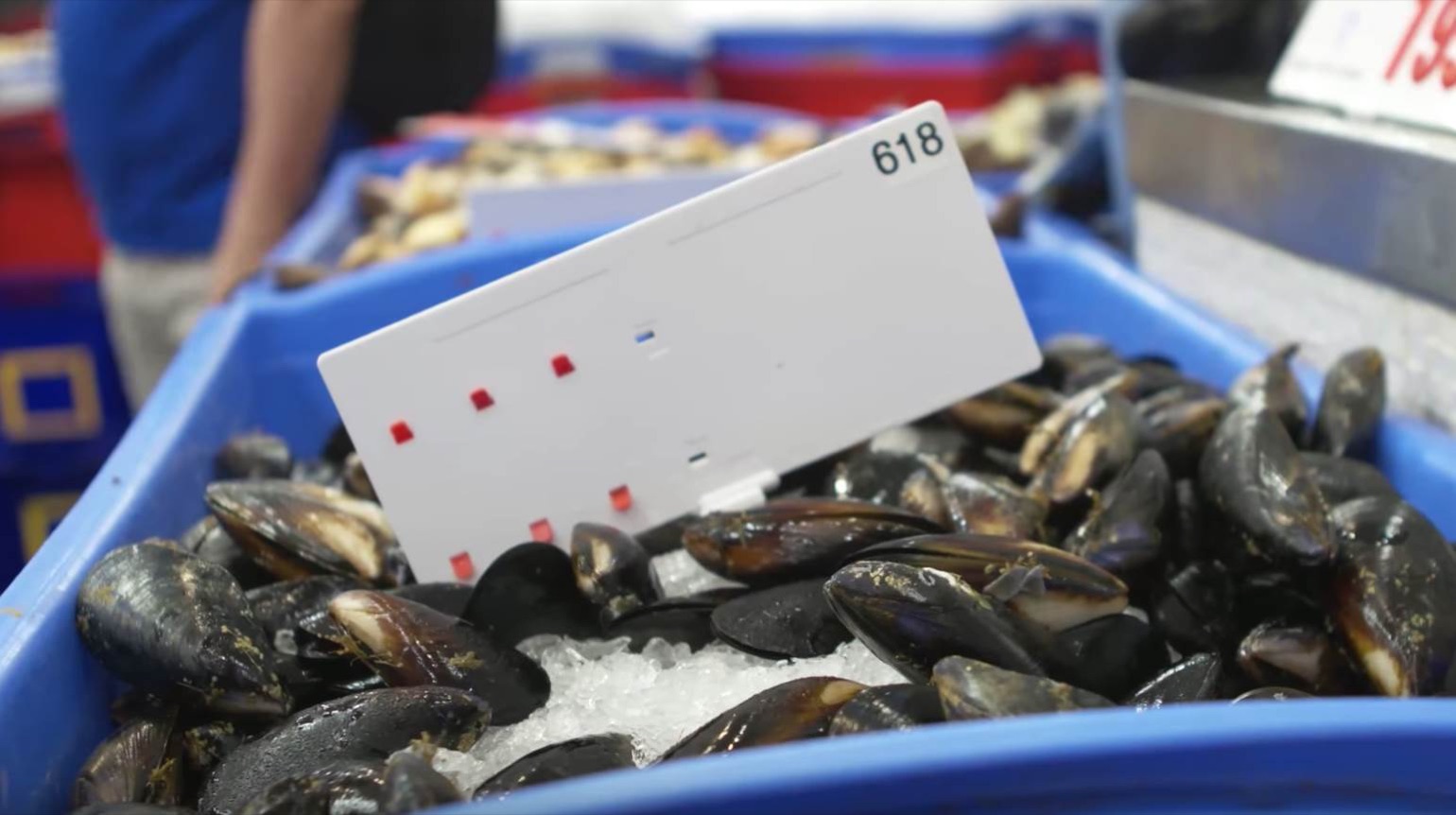
Giving Existing Bins a Digital Voice
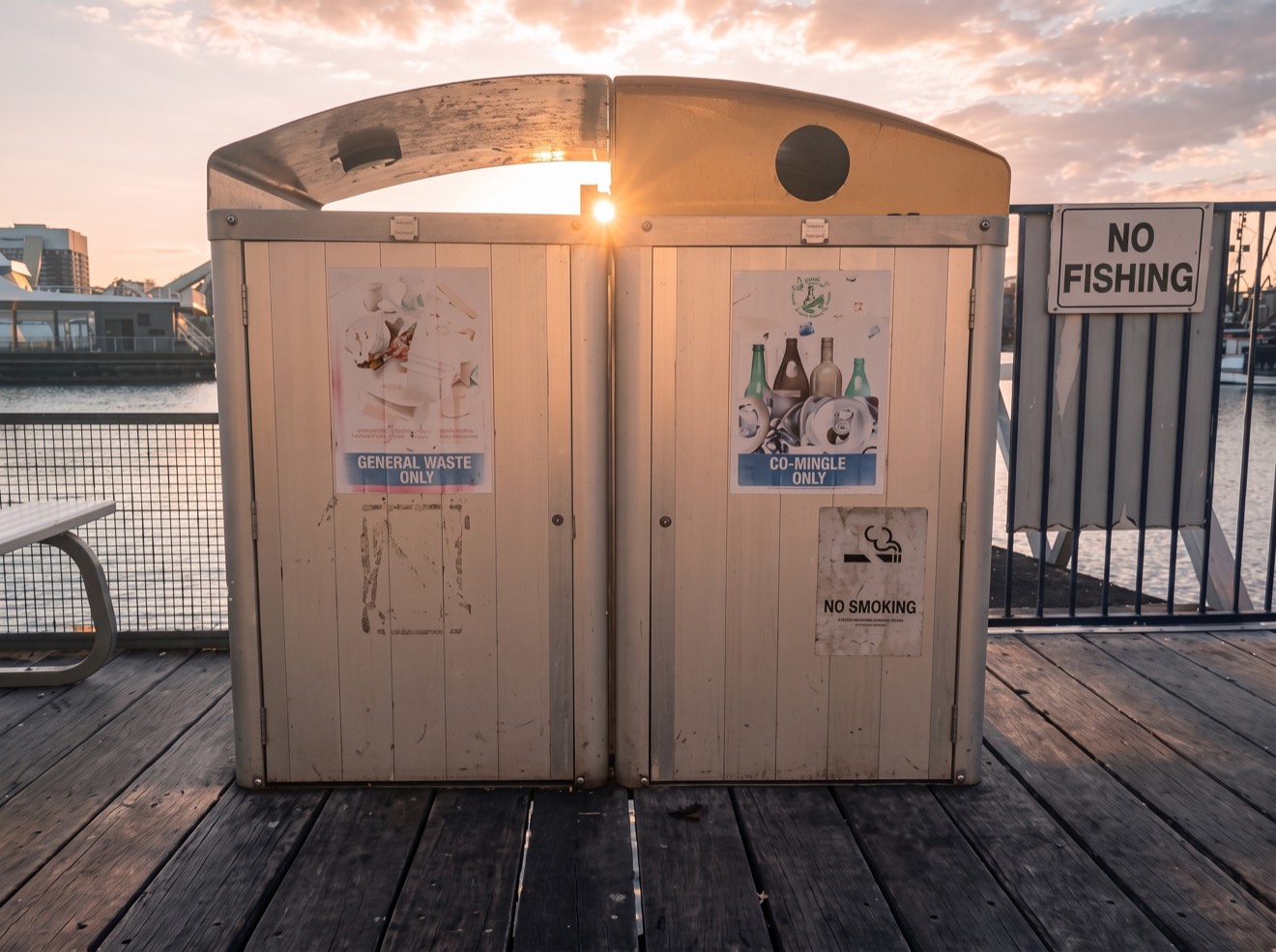
From August 2018, for a period of more than 12 months, existing waste bins were equipped with ultrasonic bin-level sensors. Rather than replacing the physical infrastructure, the pilot added intelligence to assets already operating across the site.
The sensors monitored bin fill levels, temperature, bin status, battery health and communications performance, providing near-real-time visibility rather than relying solely on scheduled inspections and collections. Ultrasonic sensing measured how quickly rubbish accumulated, temperature monitoring gave information about conditions inside the bins, and accelerometers could identify changes in status, for example whether a bin had been knocked over.
Connecting the Physical World with LoRaWAN
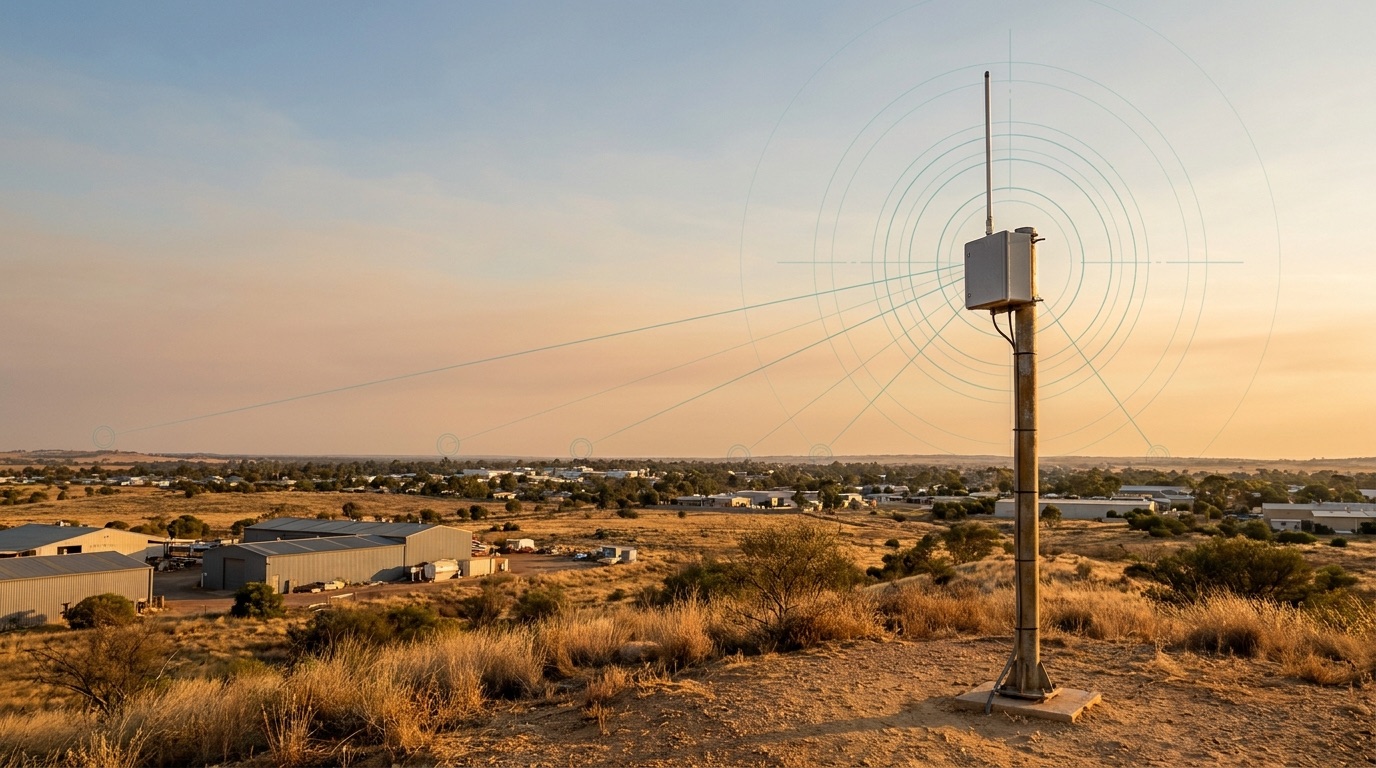
Earlier that year, Meshed deployed Australia's first capital-city public-access LoRaWAN network, in partnership with The Things Network. That connectivity is what turned raw sensor readings from the bins into usable operational information.
Sensor devices communicated through gateways at KPMG's Barangaroo office and at UTS, showing how low-power, wide-area networking could connect distributed physical assets without conventional wired infrastructure. This connectivity layer was a critical part of an end-to-end solution that brought together sensing, connectivity, cloud technology, governance and program management, the collaborative ecosystem a practical IoT deployment needs.
From Schedules to Condition-Based Operations
The value of the project was not simply knowing how full a bin was. It was turning that information into better operational decisions. Instead of treating every bin the same, waste teams could respond to actual conditions, servicing bins approaching capacity while avoiding unnecessary collections of bins that did not yet need attention, and redirecting staff time to other cleaning and recycling activities.
The project also created the opportunity to identify patterns over time, correlating fill rates with variables such as weather and day of the week to build a richer understanding of when and where waste was generated. That data even helped plan the new Sydney Fish Market development, a restaurant and marina precinct built to attract tourists and local visitors, an important shift from scheduled servicing to data-informed operations.
Why This Project Matters
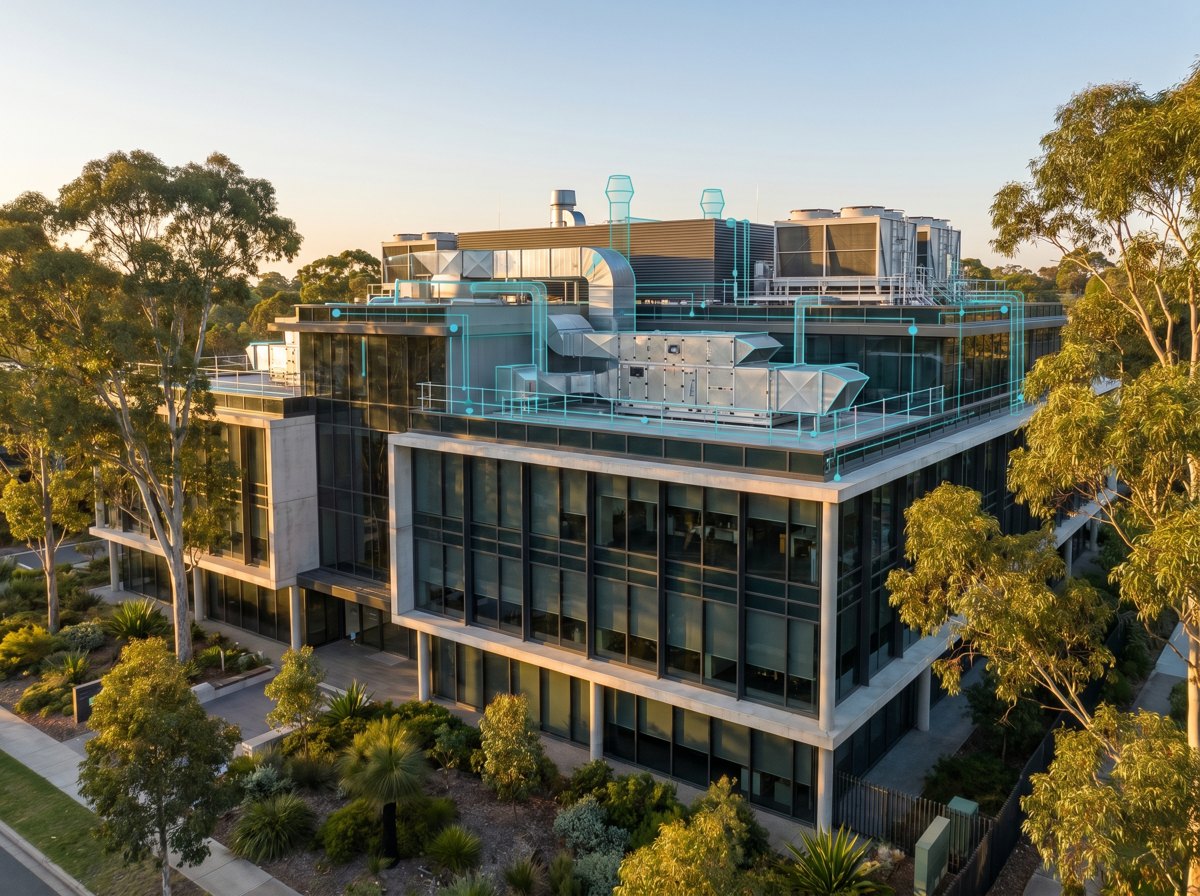
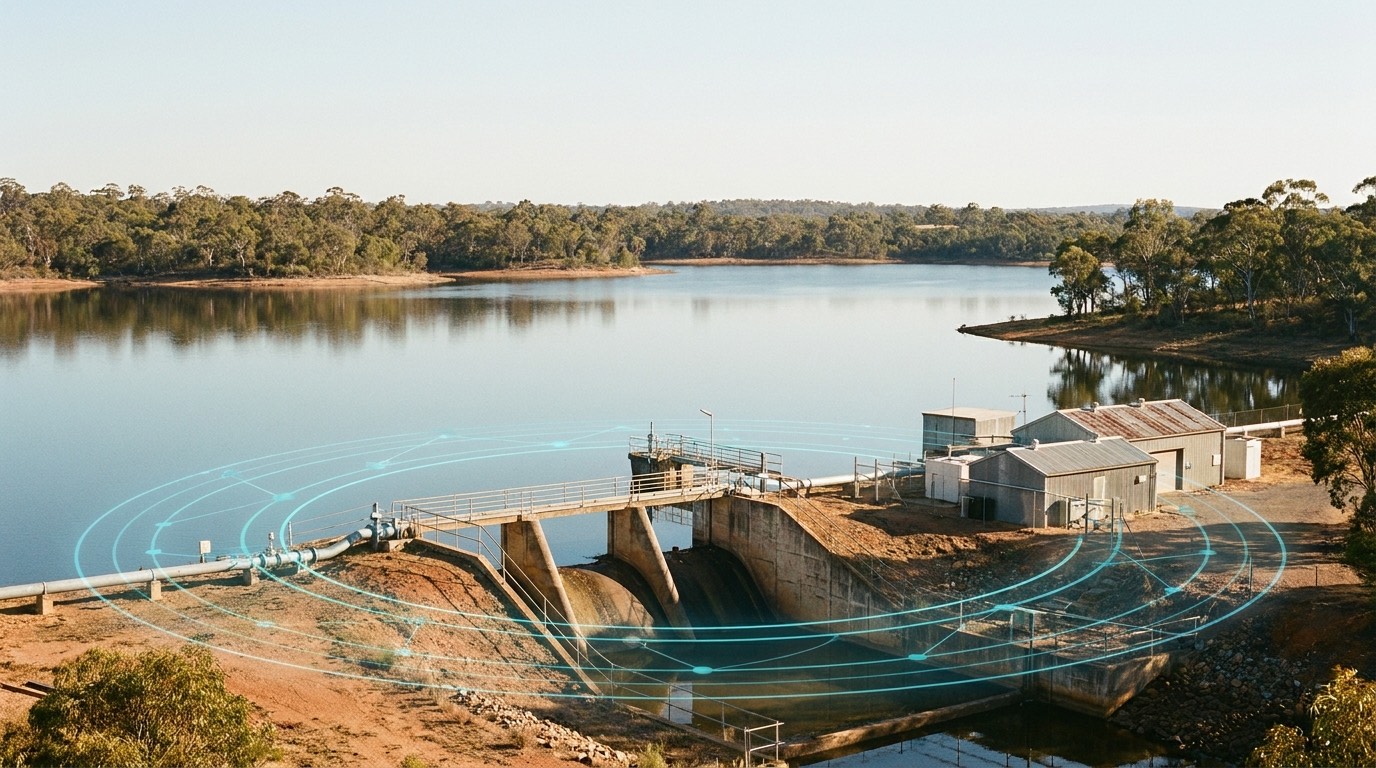
The pilot was deliberately more than a waste experiment. It showed how connected physical assets can feed broader operational and smart-city systems, and for Sydney Fish Market the possibilities extended well beyond waste, to services including energy and water.
The wider lesson is one of the most powerful things about IoT. You do not need to replace existing infrastructure to make it smarter. By adding sensing and LoRaWAN connectivity to ordinary bins, an everyday asset became a source of operational intelligence. For precincts, councils, campuses and facilities teams, the same principle applies far beyond waste, wherever an asset that once needed a manual inspection could simply report its own condition instead.
This deployment was documented in the Australian technology press.
Sydney Fish Market lures consortium to test IoT, iTnews, 2018.
Make the asset you already own tell you what it is doing. That is where smart starts.