Introduction
Oil and gas facilities rely on thousands of critical assets, yet gaining real time visibility into the performance of those assets can be complex and costly. Traditional monitoring often requires extensive cabling, new communications infrastructure and significant capital investment.
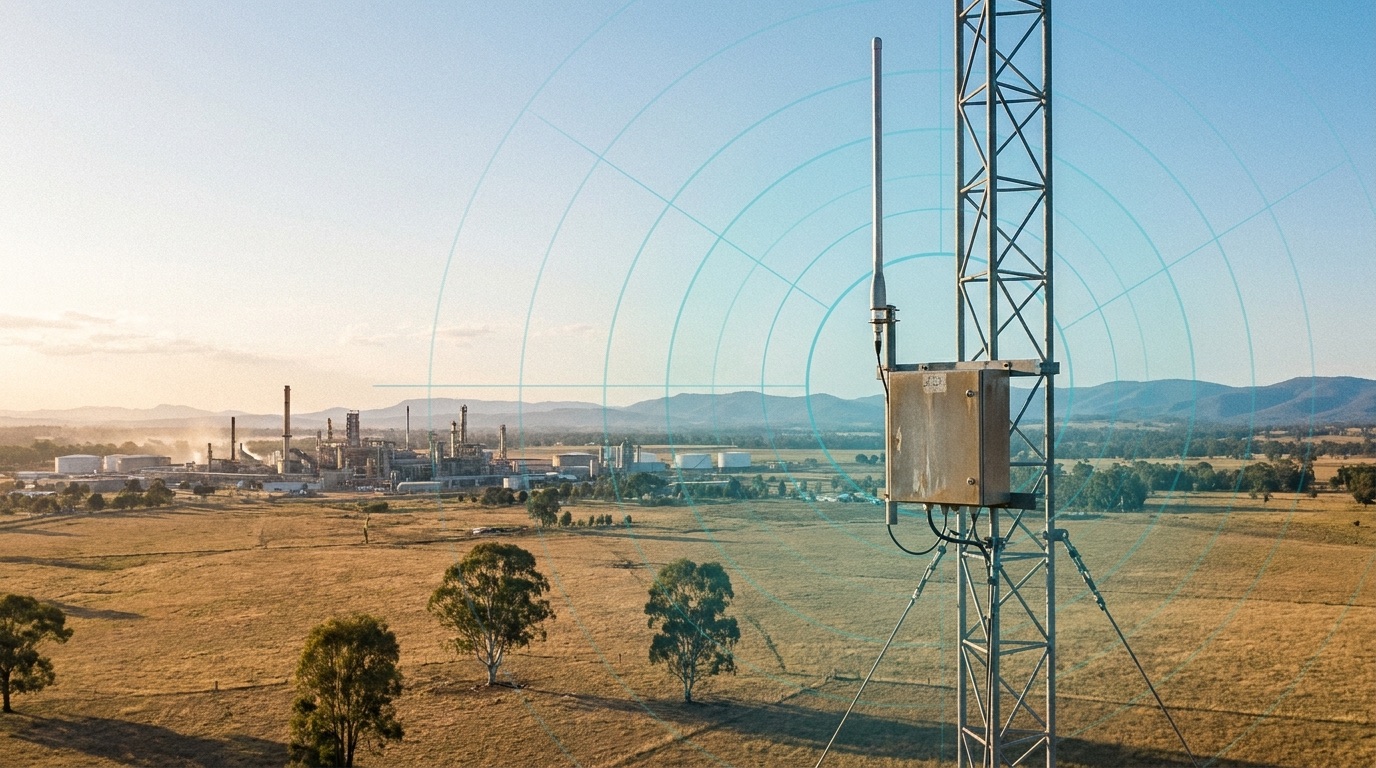
Private LoRaWAN networks provide a different approach. By establishing secure wireless connectivity across a site, operators can connect sensors to existing equipment and capture operational data 24 hours a day without the cost and complexity of traditional wired instrumentation.
The following two use cases demonstrate how oil and gas companies have used their private LoRaWAN networks as the foundation for wireless current monitoring, providing continuous visibility into critical pumps and helping operators increase throughput, optimise production and improve the utilisation of existing assets. For the wider picture across upstream, midstream and downstream operations, see asset intelligence for oil and gas.
Use Case 1
Increasing Crude Oil Production With LoRaWAN Monitoring
The Challenge. A refinery was manually monitoring crude oil pumps to prevent high current trips while trying to maximise production.
Without continuous visibility of pump current, operators had to run the unit conservatively. As a result, production was typically maintained around 5% to 10% below optimised capacity to reduce the risk of equipment trips.
Installing conventional instrumentation was a costly alternative. Previous projects had required approximately $400,000 in investment and eight months of capital planning and approval, together with extensive cabling and potential shutdown costs.
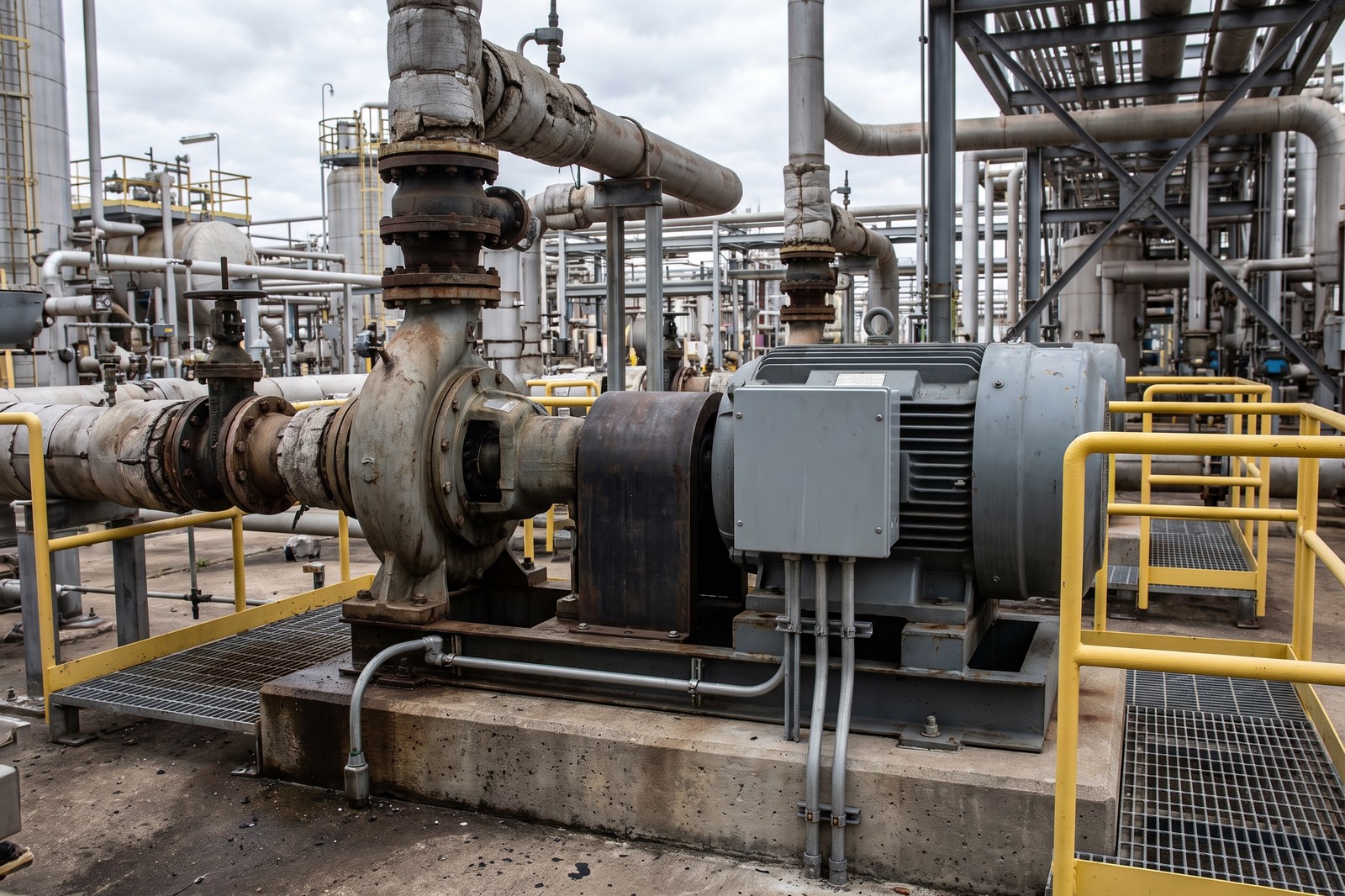
The Solution. The company used its private LoRaWAN network already deployed on site as the foundation for wireless equipment monitoring.
Wireless current monitoring devices were installed on the crude oil pumps and connected through the existing LoRaWAN infrastructure. The installation was completed by the onsite team in less than one hour for under $1,000.
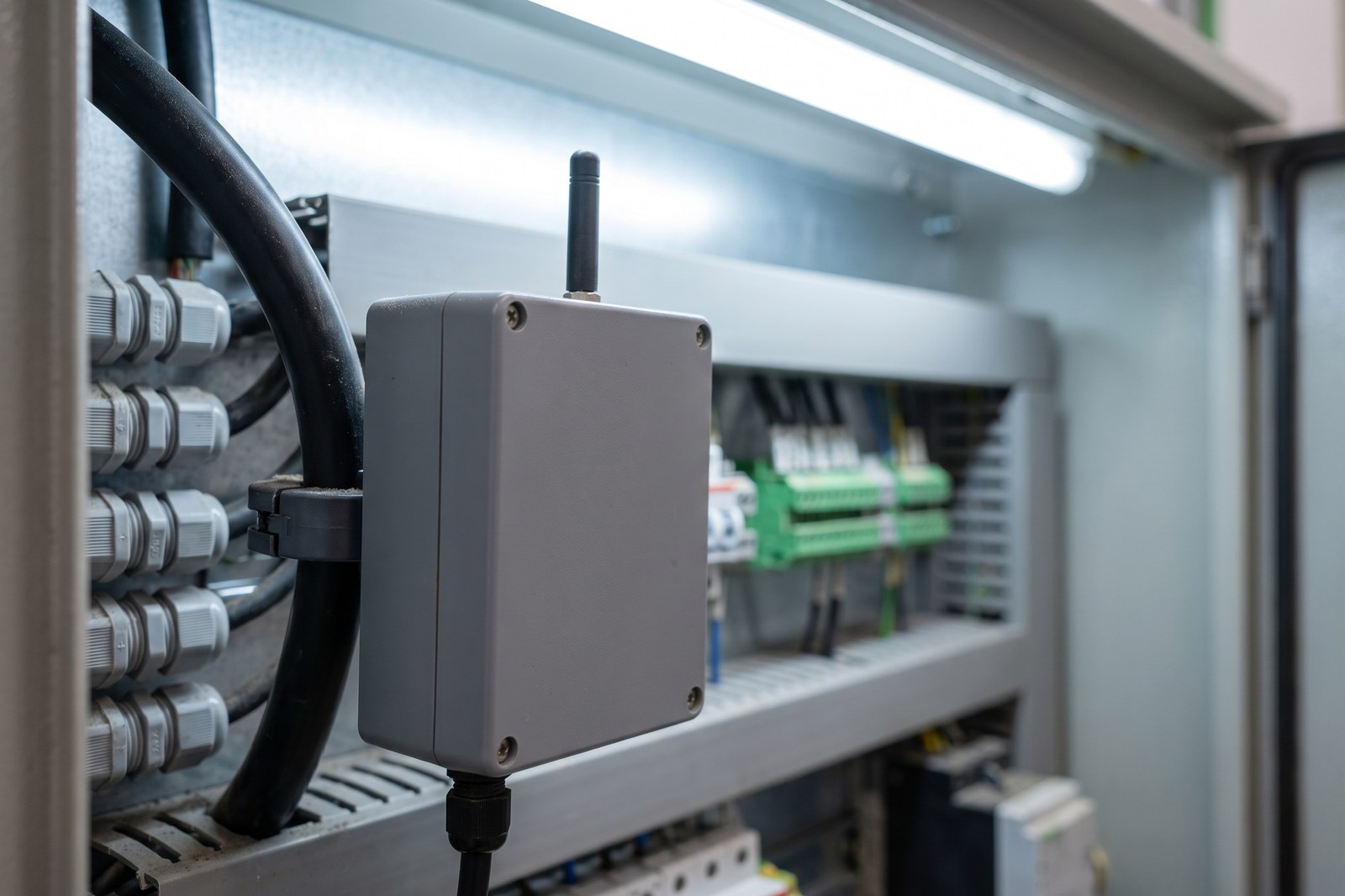
Operators could now continuously monitor pump amperage and use this information as an operational constraint, allowing production to be increased while remaining below the pump trip threshold.
The Result. Real time visibility gave operators the confidence to operate closer to the true capacity of the equipment rather than relying on conservative operating margins.
With the unit previously operating 5% to 10% below optimised capacity, even a small increase in production represented a significant commercial opportunity. The original project estimated the potential at millions of dollars in additional recurring annual profit from increased output.
Most importantly, the existing private LoRaWAN network made it possible to deploy this monitoring quickly and at a fraction of the cost of traditional instrumentation.
What the Two Approaches Cost
The commercial argument in the first use case is not really about the sensor. It is about what the plant had to spend, and wait, to get the same number by conventional means.
| Conventional instrumentation | Wireless current monitoring | |
|---|---|---|
| Capital cost | Approximately $400,000 | Under $1,000 |
| Time to deploy | Eight months of capital planning and approval | Under one hour |
| Who installs it | External contractors | The onsite team |
| Site works | Extensive cabling, potential shutdown costs | None, the network is already in place |
| Adding the next asset | A new project | Another device on the same network |
Use Case 2
Reducing Refinery Changeover Times With LoRaWAN
The Challenge. A refinery wanted to improve the changeover process between diesel and jet fuel production.
Changing between products typically required two to four days to drain the product tanks. During this period, neither fuel was being produced.
A single transfer pump was responsible for the process. The pump had an electromechanical trip but provided no current feedback, so operators had to run it conservatively to avoid reaching its trip point.
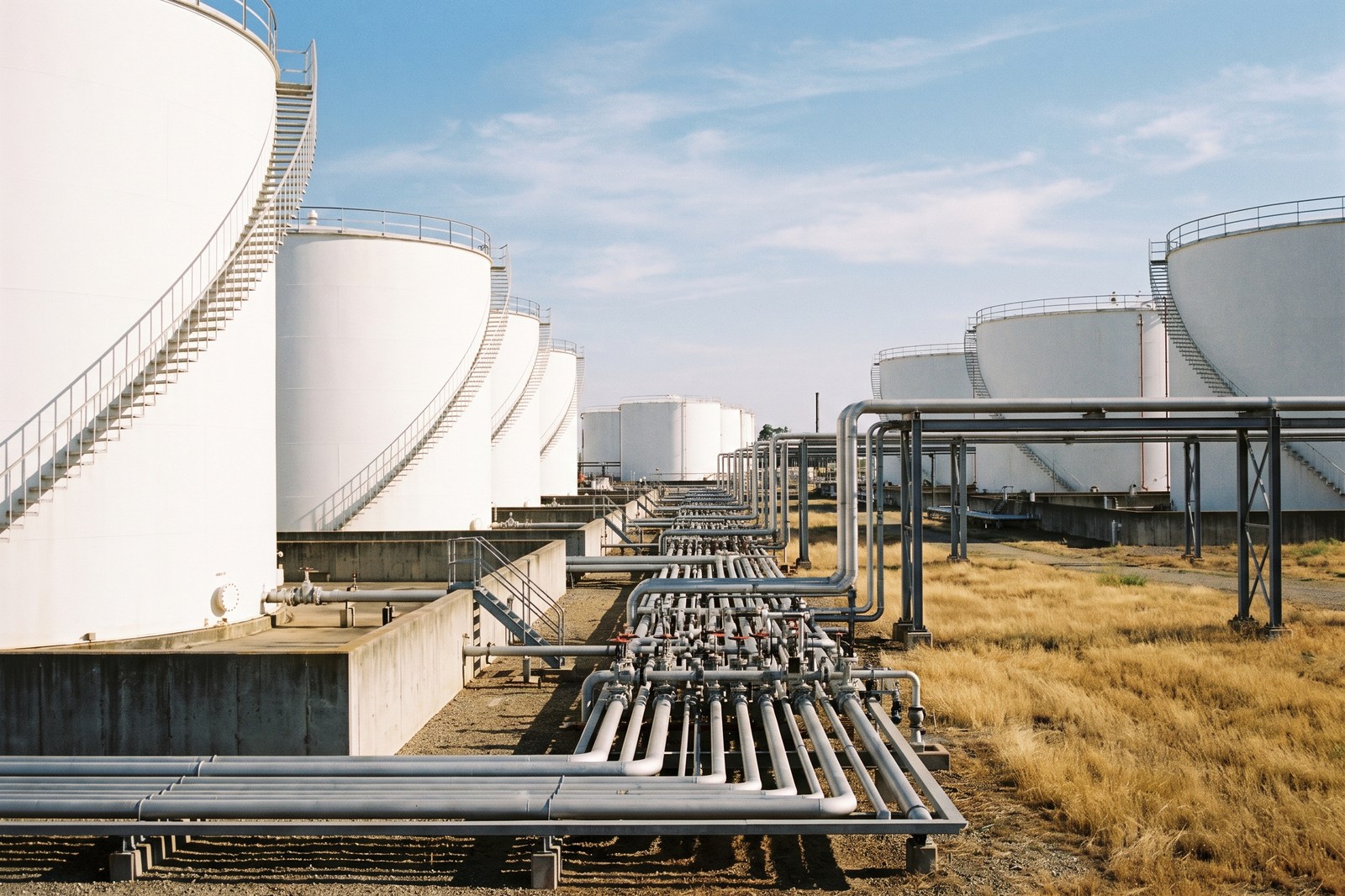
The Solution. The company used its private LoRaWAN network on site to introduce wireless current monitoring of the transfer pump.
With continuous visibility of pump current, operators could safely increase throughput while controlling the pump just below its trip threshold. This provided the operational insight required to make better use of the existing equipment without the need for extensive new communications infrastructure.
The Result. Increasing transfer pump throughput significantly reduced the time required to complete each product changeover.
The improvement was reported to generate more than $400,000 in additional profit every time the refinery switched products.
The Network as a Data Foundation
The use case demonstrates the broader value of a private LoRaWAN network as an industrial data foundation. Once network coverage is available across a facility, additional equipment and processes can be monitored quickly, allowing operational teams to turn previously inaccessible equipment data into measurable business outcomes.
That is the part worth carrying into your own plant. Neither refinery bought a monitoring project. Both had already paid for the network, so the second asset, and the tenth, cost a device and an hour rather than a business case. The same economics apply to condition monitoring across industrial assets and to the wireless against wired comparison more broadly.
A pump that can tell you how hard it is working is worth more than a pump you have to guess about.