
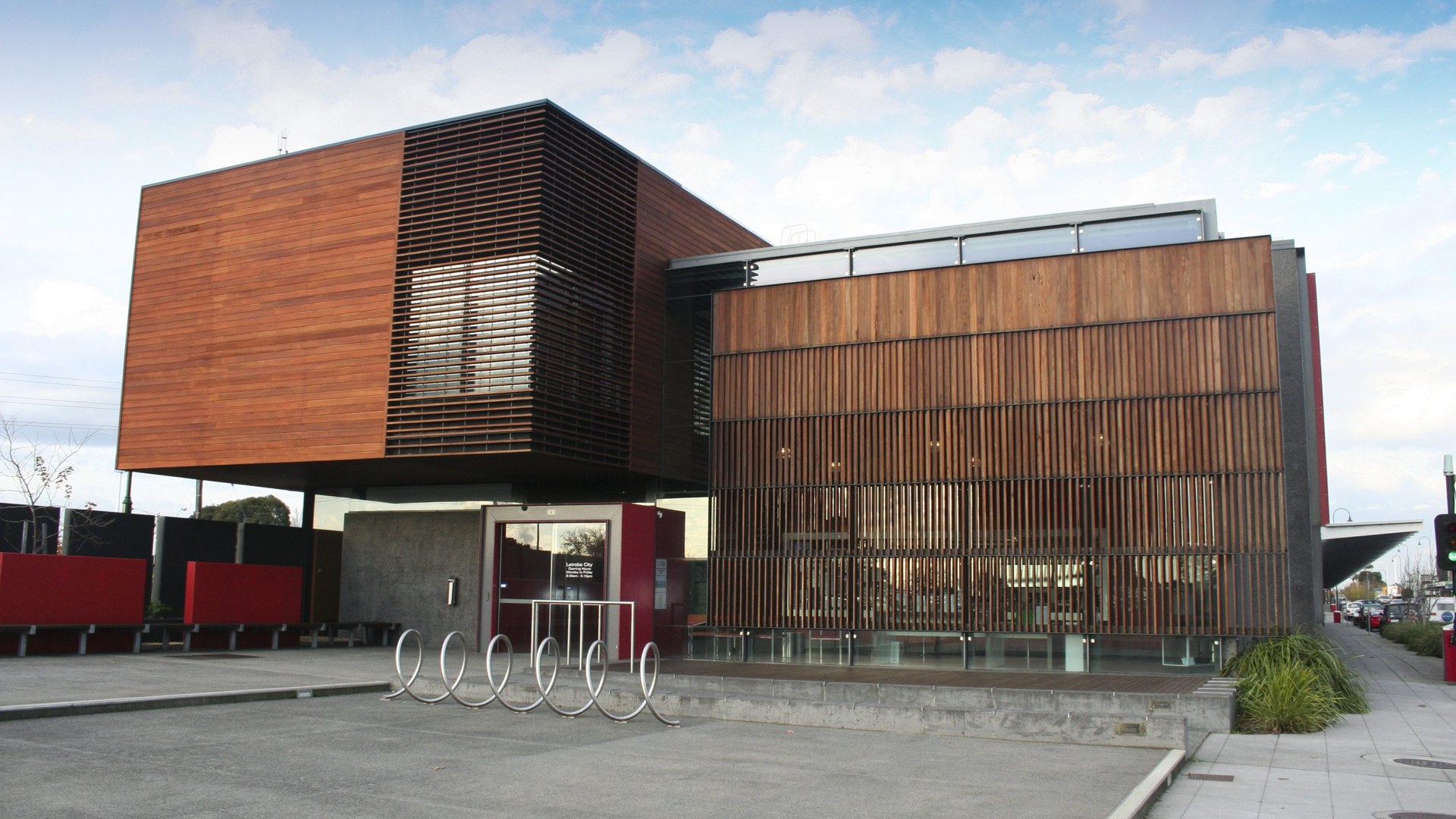
Latrobe has been heavily affected by the closure of the region's biggest employers in the coal-fired power industry. Facing significant job losses, Latrobe City Council looked to the jobs of the future to help the region get back on its feet.
Why Latrobe Was Looking Forward
Economic transition is not an abstraction in the Latrobe Valley. It is a specific set of skills leaving a specific set of towns. A council in that position has to make decisions about facilities, services and investment on evidence, and it has to do something about what the next generation of local work will be.
Meshed provided a LoRaWAN network for Latrobe, complete with coverage and our people counting solution. Both halves of the brief pointed at the same infrastructure.
Coverage Across Two Towns
We deployed LoRaWAN coverage across Morwell and Traralgon to support a number of council data gathering initiatives. Both communities were also given open-access networks, available to anyone in the area rather than reserved for council devices.
The council's own applications across that coverage span people counting in recreational facilities and precincts, patronage counting at the Latrobe Art Gallery, street parking bay usage assessment, and drain and flooding alerts. Four different teams, four different problems, one network.
Counting Without Watching Anyone
Latrobe City Council uses nCounter, our people counting solution, to understand how many people are using its recreational facilities and precincts. nCounter is non-vision-based. It produces an anonymised count and nothing else, with no images recorded and no individual identifiable at any point.
For a council making resourcing decisions about public facilities, that distinction is what makes the data usable. Patronage numbers for an art gallery or a leisure centre are an operational input. They should not require a privacy conversation with the community to obtain.
The Second Job the Network Does
The open-access side of the network is where the regeneration argument lives. The community can bring low-cost devices and components, build their own connected sensors, and once those are on the network, collect data from them around the clock at no cost.

That matters for schools, TAFEs, universities and the innovators already in the community. It turns the region into a place where those skills can be practised on real infrastructure rather than in simulation, which is a meaningfully different proposition when you are trying to keep young people in a town.
Latrobe now has the underlying infrastructure to keep building its data-driven decision making, and is accumulating valuable data sets for the council and the community alike. The City of Greater Geelong made the same open-access call for closely related reasons.
Infrastructure that teaches is worth more than infrastructure that only reports.