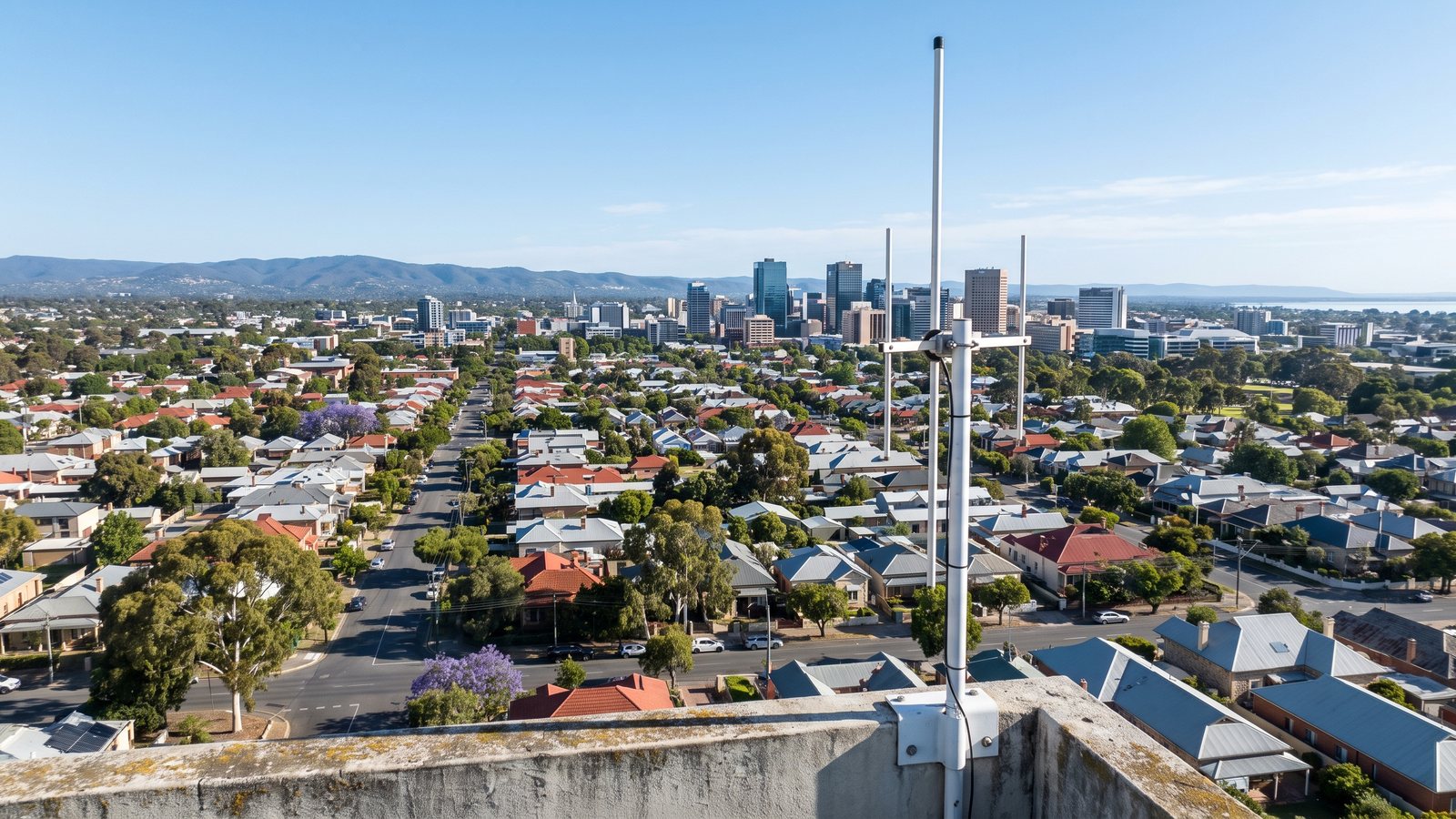

The City of Perth launched its Smart Cities program with jointly committed funding through the Federal Government's Smart Cities and Suburbs Program, and chose Meshed for the smart lighting component. The brief was practical rather than futuristic. Cut energy and emissions, see the condition of lighting assets without driving past them, and give major event precincts lighting that responds to how they are actually being used.
What the City Set Out to Do
The lighting solution was designed to support four outcomes.
- Reducing CO2 emissions and energy costs
- Intelligent asset maintenance, with greater visibility for scheduling
- Supporting major events within the city's smart precincts
- Safety improvements for businesses and residents
Each of those is usually handled by a different team with a different system. Putting the lighting on one connected platform gives all four teams the same live picture.
How the Lighting Is Controlled
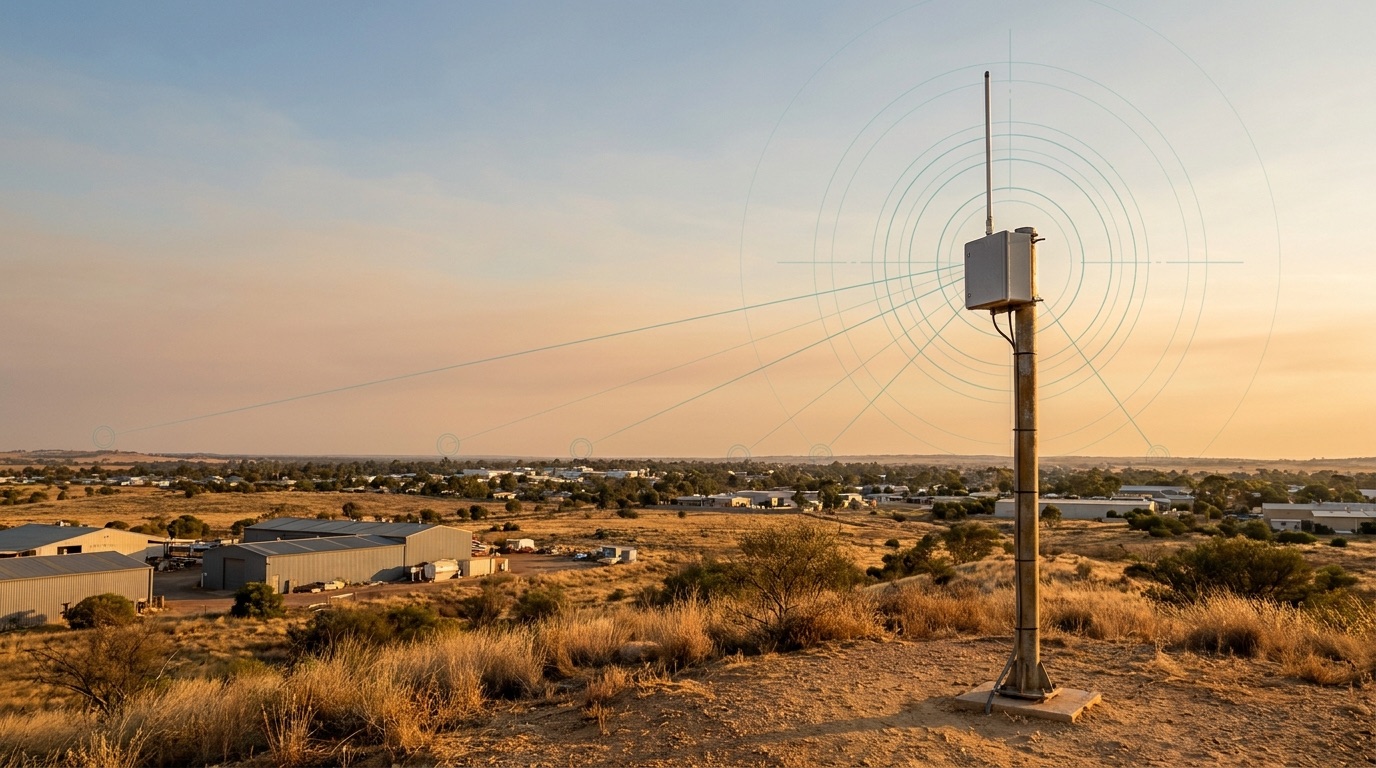
The deployment pairs a Meshed private LoRaWAN network with smart lighting controllers and a central management system from Meshed's partner, The ARCS Group. The controllers sit on the luminaires. The network carries their commands and their status messages. The management system is where the city sets schedules, dims precincts and sees faults as they happen rather than when someone reports a dark street.
What Dimming Is Worth
That is how Scott La Vertu, Director and Manager of Technology and Systems at The ARCS Group, put the case when he and the City of Perth's John Hawke discussed the joint solution. The arithmetic is the point. Lighting runs every night of the year, so a percentage saved on each light compounds across thousands of luminaires and thousands of nights.
Why Lighting Is an Asset Story
The energy saving gets the headline, but the maintenance visibility is what changes how a lighting team works. A connected luminaire reports its own condition, so scheduling stops depending on night patrols and resident complaints. Faults are found the moment they occur, crews are dispatched with the right part, and the maintenance backlog becomes a measured queue instead of an unknown.
That is the same shift Meshed delivers across asset management generally. The asset tells you what it needs. The team stops guessing.
A light that reports its own condition is a small thing. Thousands of them are a different way to run a city.