

Explore how our innovative solutions have empowered businesses
worldwide to achieve their ambitious goals.
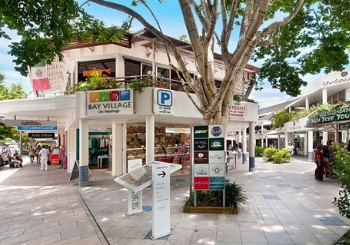
Justify infrastructure spending with real movement data and usage patterns
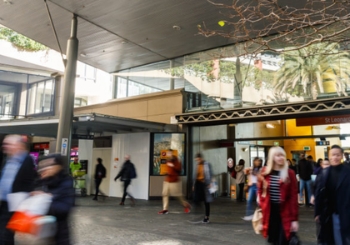
Track active transport adoption and reduce environmental impact

Measure activation success and attract investment with footfall evidence

Ensure tenant occupancy is engaged and commercial decisions are backed by data
Why It Matters
















Low-cost, accurate and portable people counting solutions embedded with technology that counts devices, not people.
A low-cost, privacy-safe and portable people counting solution for generating reliable foot-traffic insights from detected smart devices.
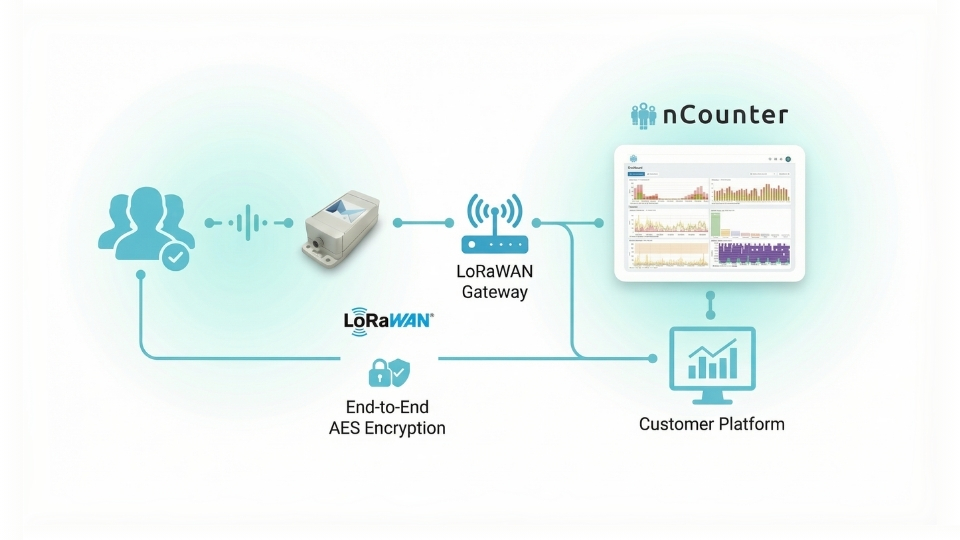

nCounter sensors detect Wi-Fi signals from devices, not people


Data transmitted via secure LoRaWAN network with no personal information stored

Real-time dashboards and reports show movement patterns and trends

Make data-driven decisions on maintenance, planning, funding and activation
Trusted by operations, precincts and property managers.
Privacy-safe people counting solutions for diverse environments.

Public space planning and urban analytics

Shopping precincts and commercial zones

Attractions, entertainment and visitor hubs

Transit hubs and active transport networks

University and college space management
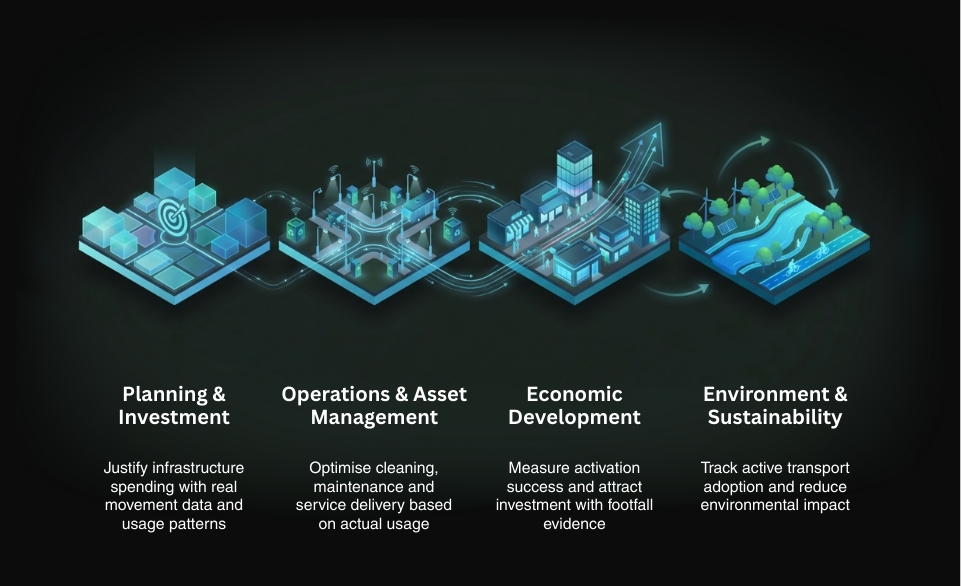
Ground every conversation about upgrades, budgets and activation in real movement data your leaders and partners can trust.
Teams who have transformed their planning and business decisions through the power of nCounter

“At Peclet, we specialize in open data and data sharing, dealing with numerous data sources from various organizations, open data, and the Internet of Things (IoT). Among the data we collect are people counting data from different technologies, such as CTV, WIFI devices, and the Meshed nCounter. From our experience, we have found that connecting to the nCounter technology is the most effortless solution, and it provides the most comprehensive data insights, including dwell times.”

“We really appreciate that nCounter is privacy-preserving. We’re not collecting any personal information or tracking individuals. At a time when there’s so much digital tracking, we just wanted the basics. To discover how many people are in an area and understand how long they stay. For us, that shows how many people are connecting with our program and their level of engagement, and nCounter has been really useful in building out our programming.”

“nCounter supported us with event attendance estimation for a regional WA surf event. The setup was straightforward, and once installed, the device was effective in capturing attendance data at the central event location. The seamless integration between the device and the gateway made setup easy, and the device performed reliably even in areas with limited network coverage. Live data transmission via the dashboard also enabled us to monitor attendance throughout the event period.”
Everything you need to know about nCounter
nCounter is a privacy-first people counting solution that provides near real-time insight into how many people are using a space, how long they stay and when peak periods occur. It replaces manual counts, surveys and assumptions with continuous, defensible data to support better planning, operations, maintenance, activation and investment decisions across public and commercial spaces.
No. nCounter does not collect names, phone numbers, MAC addresses, images, video, device IDs or any personally identifiable information (PII). It only produces aggregated, anonymised counts, making it privacy-safe by design.
nCounter uses custom firmware developed by Meshed that does not rely on MAC addresses. Instead, it analyses multiple non-identifiable technical characteristics of Wi-Fi probe requests to estimate device uniqueness. Randomised MAC addresses are immediately discarded, no identifiable data is stored or transmitted, and all processing is transient and anonymised.
Yes. nCounter is GDPR compliant by design. It adheres to GDPR principles including data minimisation, purpose limitation and privacy-by-design by ensuring no personal data is collected, processed or stored.
Because nCounter does not capture PII, video or identifiable device data, it is widely accepted for use in public spaces without surveillance signage. Organisations may choose to disclose deployment as part of transparency however it is no different to a passive air quality sensor or room motion sensor in buildings which do not require signage.
nCounter estimates footfall by anonymously detecting Wi-Fi probe requests broadcast by smartphones and other Wi-Fi enabled devices. The firmware aggregates counts in 10-minute intervals and securely transmits only aggregated totals via LoRaWAN to the dashboard.
nCounter reports:
Data can be viewed hourly, daily, monthly or across custom time periods.
nCounter delivers decision-grade accuracy suitable for operational planning, benchmarking and comparative analysis. Accuracy depends on placement, range configuration and environment, which Meshed supports during deployment and optimisation.
Wi-Fi detection is a widely accepted proxy for understanding pedestrian presence and trends in public and commercial environments. nCounter improves accuracy by analysing multiple non-identifiable signal characteristics rather than relying on MAC addresses alone. While no method is 100% perfect, nCounter provides consistent, repeatable and highly useful insights over time.
People without Wi-Fi-enabled devices may not be directly detected such as young children playing in a playground. However, smartphone penetration in public spaces is very high, and nCounter is designed to measure patterns, trends and relative change, not identify individuals—making it highly reliable for planning and decision-making.
nCounter requires:
The nCounter solution includes:
The Meshed nCounter Special Offer includes all three components.
Installation is simple and non-intrusive:
Most installations take minutes, with data visible within 3–10 minutes of power-up.
Yes. nCounter is IP67-rated, supports solar power and is portable, making it ideal for outdoor locations, pop-up events, festivals and temporary studies. The associated LoRaWAN gateway can also be moved as required.
Yes. Data can be:
Customers own their data and the hardware. Data can be exported at any time. Meshed provides the platform and support under a licence-to-use model, ensuring security, continuity and system maintenance.
Yes. nCounter devices are fully certified, including:
nCounter uses a subscription-based model:
Leveraging the power of nCounter
Justify infrastructure spending with real movement data and usage patterns
Track active transport adoption and reduce environmental impact
Measure activation success and attract investment with footfall evidence
Ensure tenant occupancy is engaged and commercial decisions are backed by data
Why It Matters
A low-cost, privacy-safe and portable people counting solution for generating reliable foot-traffic insights from detected smart devices.
nCounter sensors detect Wi-Fi signals from devices, not people
Data transmitted via secure LoRaWAN network with no personal information stored
Real-time dashboards and reports show movement patterns and trends
Make data-driven decisions on maintenance, planning, funding and activation



Low-cost, accurate and portable people counting solutions embedded with technology that counts devices, not people.
Trusted by operations, precincts and property managers.
Privacy-safe people counting solutions for diverse environments.
Public space planning and urban analytics
Shopping precincts and commercial zones
Attractions, entertainment and visitor hubs
Transit hubs and active transport networks
University and college space management
Ground every conversation about upgrades, budgets and activation in real movement data your leaders and partners can trust.
Teams who have transformed their planning and business decisions through the power of nCounter
“At Peclet, we specialize in open data and data sharing, dealing with numerous data sources from various organizations, open data, and the Internet of Things (IoT). Among the data we collect are people counting data from different technologies, such as CTV, WIFI devices, and the Meshed nCounter. From our experience, we have found that connecting to the nCounter technology is the most effortless solution, and it provides the most comprehensive data insights, including dwell times.”
“We really appreciate that nCounter is privacy-preserving. We’re not collecting any personal information or tracking individuals. At a time when there’s so much digital tracking, we just wanted the basics. To discover how many people are in an area and understand how long they stay. For us, that shows how many people are connecting with our program and their level of engagement, and nCounter has been really useful in building out our programming.”
“nCounter supported us with event attendance estimation for a regional WA surf event. The setup was straightforward, and once installed, the device was effective in capturing attendance data at the central event location. The seamless integration between the device and the gateway made setup easy, and the device performed reliably even in areas with limited network coverage. Live data transmission via the dashboard also enabled us to monitor attendance throughout the event period.”
Everything you need to know about nCounter
nCounter is a privacy-first people counting solution that provides near real-time insight into how many people are using a space, how long they stay and when peak periods occur. It replaces manual counts, surveys and assumptions with continuous, defensible data to support better planning, operations, maintenance, activation and investment decisions across public and commercial spaces.
No. nCounter does not collect names, phone numbers, MAC addresses, images, video, device IDs or any personally identifiable information (PII). It only produces aggregated, anonymised counts, making it privacy-safe by design.
nCounter uses custom firmware developed by Meshed that does not rely on MAC addresses. Instead, it analyses multiple non-identifiable technical characteristics of Wi-Fi probe requests to estimate device uniqueness. Randomised MAC addresses are immediately discarded, no identifiable data is stored or transmitted, and all processing is transient and anonymised.
Yes. nCounter is GDPR compliant by design. It adheres to GDPR principles including data minimisation, purpose limitation and privacy-by-design by ensuring no personal data is collected, processed or stored.
Because nCounter does not capture PII, video or identifiable device data, it is widely accepted for use in public spaces without surveillance signage. Organisations may choose to disclose deployment as part of transparency however it is no different to a passive air quality sensor or room motion sensor in buildings which do not require signage.
nCounter estimates footfall by anonymously detecting Wi-Fi probe requests broadcast by smartphones and other Wi-Fi enabled devices. The firmware aggregates counts in 10-minute intervals and securely transmits only aggregated totals via LoRaWAN to the dashboard.
nCounter reports:
Data can be viewed hourly, daily, monthly or across custom time periods.
nCounter delivers decision-grade accuracy suitable for operational planning, benchmarking and comparative analysis. Accuracy depends on placement, range configuration and environment, which Meshed supports during deployment and optimisation.
Wi-Fi detection is a widely accepted proxy for understanding pedestrian presence and trends in public and commercial environments. nCounter improves accuracy by analysing multiple non-identifiable signal characteristics rather than relying on MAC addresses alone. While no method is 100% perfect, nCounter provides consistent, repeatable and highly useful insights over time.
People without Wi-Fi-enabled devices may not be directly detected such as young children playing in a playground. However, smartphone penetration in public spaces is very high, and nCounter is designed to measure patterns, trends and relative change, not identify individuals—making it highly reliable for planning and decision-making.
nCounter requires:
The nCounter solution includes:
The Meshed nCounter Special Offer includes all three components.
Installation is simple and non-intrusive:
Most installations take minutes, with data visible within 3–10 minutes of power-up.
Yes. nCounter is IP67-rated, supports solar power and is portable, making it ideal for outdoor locations, pop-up events, festivals and temporary studies. The associated LoRaWAN gateway can also be moved as required.
Yes. Data can be:
Customers own their data and the hardware. Data can be exported at any time. Meshed provides the platform and support under a licence-to-use model, ensuring security, continuity and system maintenance.
Yes. nCounter devices are fully certified, including:
nCounter uses a subscription-based model:
Leveraging the power of nCounter
Justify infrastructure spending with real movement data and usage patterns
Track active transport adoption and reduce environmental impact
Measure activation success and attract investment with footfall evidence
Ensure tenant occupancy is engaged and commercial decisions are backed by data
Why It Matters
A low-cost, privacy-safe and portable people counting solution for generating reliable foot-traffic insights from detected smart devices.
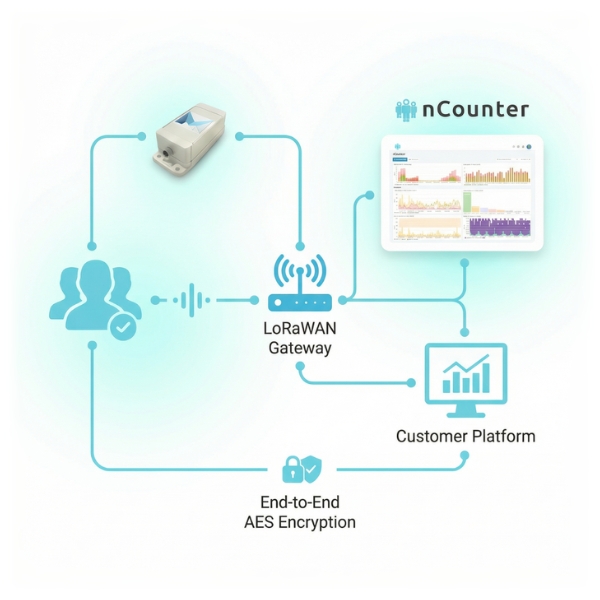
nCounter sensors detect Wi-Fi signals from devices, not people

Data transmitted via secure LoRaWAN network with no personal information stored
Real-time dashboards and reports show movement patterns and trends
Make data-driven decisions on maintenance, planning, funding and activation
Low-cost, accurate and portable people counting solutions embedded with technology that counts devices, not people.
Trusted by operations, precincts and property managers. Privacy-safe people counting solutions for diverse environments.

Teams who have transformed their planning and business decisions through the power of nCounter
“At Peclet, we specialize in open data and data sharing, dealing with numerous data sources from various organizations, open data, and the Internet of Things (IoT). Among the data we collect are people counting data from different technologies, such as CTV, WIFI devices, and the Meshed nCounter. From our experience, we have found that connecting to the nCounter technology is the most effortless solution, and it provides the most comprehensive data insights, including dwell times.”
“We really appreciate that nCounter is privacy-preserving. We’re not collecting any personal information or tracking individuals. At a time when there’s so much digital tracking, we just wanted the basics. To discover how many people are in an area and understand how long they stay. For us, that shows how many people are connecting with our program and their level of engagement, and nCounter has been really useful in building out our programming.”
“nCounter supported us with event attendance estimation for a regional WA surf event. The setup was straightforward, and once installed, the device was effective in capturing attendance data at the central event location. The seamless integration between the device and the gateway made setup easy, and the device performed reliably even in areas with limited network coverage. Live data transmission via the dashboard also enabled us to monitor attendance throughout the event period.”
Everything you need to know about nCounter
nCounter is a privacy-first people counting solution that provides near real-time insight into how many people are using a space, how long they stay and when peak periods occur. It replaces manual counts, surveys and assumptions with continuous, defensible data to support better planning, operations, maintenance, activation and investment decisions across public and commercial spaces.
No. nCounter does not collect names, phone numbers, MAC addresses, images, video, device IDs or any personally identifiable information (PII). It only produces aggregated, anonymised counts, making it privacy-safe by design.
nCounter uses custom firmware developed by Meshed that does not rely on MAC addresses. Instead, it analyses multiple non-identifiable technical characteristics of Wi-Fi probe requests to estimate device uniqueness. Randomised MAC addresses are immediately discarded, no identifiable data is stored or transmitted, and all processing is transient and anonymised.
Yes. nCounter is GDPR compliant by design. It adheres to GDPR principles including data minimisation, purpose limitation and privacy-by-design by ensuring no personal data is collected, processed or stored.
Because nCounter does not capture PII, video or identifiable device data, it is widely accepted for use in public spaces without surveillance signage. Organisations may choose to disclose deployment as part of transparency however it is no different to a passive air quality sensor or room motion sensor in buildings which do not require signage.
nCounter estimates footfall by anonymously detecting Wi-Fi probe requests broadcast by smartphones and other Wi-Fi enabled devices. The firmware aggregates counts in 10-minute intervals and securely transmits only aggregated totals via LoRaWAN to the dashboard.
nCounter reports:
Data can be viewed hourly, daily, monthly or across custom time periods.
nCounter delivers decision-grade accuracy suitable for operational planning, benchmarking and comparative analysis. Accuracy depends on placement, range configuration and environment, which Meshed supports during deployment and optimisation.
Wi-Fi detection is a widely accepted proxy for understanding pedestrian presence and trends in public and commercial environments. nCounter improves accuracy by analysing multiple non-identifiable signal characteristics rather than relying on MAC addresses alone. While no method is 100% perfect, nCounter provides consistent, repeatable and highly useful insights over time.
People without Wi-Fi-enabled devices may not be directly detected such as young children playing in a playground. However, smartphone penetration in public spaces is very high, and nCounter is designed to measure patterns, trends and relative change, not identify individuals—making it highly reliable for planning and decision-making.
nCounter requires:
The nCounter solution includes:
The Meshed nCounter Special Offer includes all three components.
Installation is simple and non-intrusive:
Most installations take minutes, with data visible within 3–10 minutes of power-up.
Yes. nCounter is IP67-rated, supports solar power and is portable, making it ideal for outdoor locations, pop-up events, festivals and temporary studies. The associated LoRaWAN gateway can also be moved as required.
Yes. Data can be:
Customers own their data and the hardware. Data can be exported at any time. Meshed provides the platform and support under a licence-to-use model, ensuring security, continuity and system maintenance.
Yes. nCounter devices are fully certified, including:
nCounter uses a subscription-based model:
LoRaWAN is a registered trademark of the LoRa Alliance. All other trademarks are the property of their respective owners.

A leading property development company of high-end retirement and resort living, land lease communities, build to rent, student housing, residential management and specialist disability accommodation has had significant growth over the past 3 years. As a leader in innovation in quality lifestyle accommodation, this real estate management group have invested in state-of-the-art building management and energy and water sustainability solutions resulting in several industry excellence urban development, master builders and construction awards.
The Group prides itself on the delivery and ongoing management of quality accommodation and is responsible for the customer experience and comfort of its residents and workers.
With the challenge of managing a fast-expanding customer base and managing expectations of quality living environments, the Group were seeking to get granular data on the motion, occupancy and dwell times of utilisation of the shared spaces across their retirement and resort living spaces. With an extensive list of shared spaces including cafes and bars, cinemas, pool areas, reception areas, dining rooms, lounge areas, recreation rooms kitchens and gyms they were seeking a low cost but effective sensing solution that could provide accurate data to a centralised building management dashboard.
The Group chose to commission Meshed to provide nCounter people counting devices as well as motion and indoor air quality sensors across two major properties. The ease of installing an indoor gateway at each of the facilities providing deep penetration into all the shared spaces, enabled a fast implementation in days with the data immediately reporting to the Meshed cloud hosted dashboard. The customer used the flexible features of the Grafana based dashboard to set up alerts as well as customise the dashboard panel for each of the shared spaces.
With real time data now available the organisation has realised significant maintenance savings of up to 20% with a solid understanding of which parts of the complexes and resorts were being most utilised and ensuring allocation of resources and staffing to support resident needs were more closely aligned to their patterns and behaviours over the day.
A leading property development company of high-end retirement and resort living, land lease communities, build to rent, student housing, residential management and specialist disability accommodation has had significant growth over the past 3 years. As a leader in innovation in quality lifestyle accommodation, this real estate management group have invested in state-of-the-art building management and energy and water sustainability solutions resulting in several industry excellence urban development, master builders and construction awards.
The Group prides itself on the delivery and ongoing management of quality accommodation and is responsible for the customer experience and comfort of its residents and workers.
With the challenge of managing a fast-expanding customer base and managing expectations of quality living environments, the Group were seeking to get granular data on the motion, occupancy and dwell times of utilisation of the shared spaces across their retirement and resort living spaces. With an extensive list of shared spaces including cafes and bars, cinemas, pool areas, reception areas, dining rooms, lounge areas, recreation rooms kitchens and gyms they were seeking a low cost but effective sensing solution that could provide accurate data to a centralised building management dashboard.
The Group chose to commission Meshed to provide nCounter people counting devices as well as motion and indoor air quality sensors across two major properties. The ease of installing an indoor gateway at each of the facilities providing deep penetration into all the shared spaces, enabled a fast implementation in days with the data immediately reporting to the Meshed cloud hosted dashboard. The customer used the flexible features of the Grafana based dashboard to set up alerts as well as customise the dashboard panel for each of the shared spaces.
With real time data now available the organisation has realised significant maintenance savings of up to 20% with a solid understanding of which parts of the complexes and resorts were being most utilised and ensuring allocation of resources and staffing to support resident needs were more closely aligned to their patterns and behaviours over the day.
A leading property development company of high-end retirement and resort living, land lease communities, build to rent, student housing, residential management and specialist disability accommodation has had significant growth over the past 3 years. As a leader in innovation in quality lifestyle accommodation, this real estate management group have invested in state-of-the-art building management and energy and water sustainability solutions resulting in several industry excellence urban development, master builders and construction awards.
The Group prides itself on the delivery and ongoing management of quality accommodation and is responsible for the customer experience and comfort of its residents and workers.
With the challenge of managing a fast-expanding customer base and managing expectations of quality living environments, the Group were seeking to get granular data on the motion, occupancy and dwell times of utilisation of the shared spaces across their retirement and resort living spaces. With an extensive list of shared spaces including cafes and bars, cinemas, pool areas, reception areas, dining rooms, lounge areas, recreation rooms kitchens and gyms they were seeking a low cost but effective sensing solution that could provide accurate data to a centralised building management dashboard.
The Group chose to commission Meshed to provide nCounter people counting devices as well as motion and indoor air quality sensors across two major properties. The ease of installing an indoor gateway at each of the facilities providing deep penetration into all the shared spaces, enabled a fast implementation in days with the data immediately reporting to the Meshed cloud hosted dashboard. The customer used the flexible features of the Grafana based dashboard to set up alerts as well as customise the dashboard panel for each of the shared spaces.
With real time data now available the organisation has realised significant maintenance savings of up to 20% with a solid understanding of which parts of the complexes and resorts were being most utilised and ensuring allocation of resources and staffing to support resident needs were more closely aligned to their patterns and behaviours over the day.

A major riverside entertainment and retail precinct located minutes from the CBD of a large Australian capital city attracts a diverse mix of locals, tourists, commuters and eventgoers throughout the year. Designed as an eclectic destination with dozens of traders, food venues and live entertainment, the precinct operates across extended hours and supports adjacent ferry services, shared pedestrian and cycling paths, and nearby residential communities.
Managing a precinct of this scale required accurate, long-term insight into how people moved through and used the space—across peak events, seasonal variations and quieter non-trading periods. Precinct operators and the state development authority needed reliable data to support operational planning, maintenance scheduling, event management and future investment decisions, without relying on manual counting, expensive infrastructure or privacy-sensitive technologies.
A privacy-first, LoRaWAN-based people counting solution was deployed across the precinct and surrounding riverfront areas. Low-cost sensors were installed on buildings and light poles using a mix of mains and solar power. The solution delivered fully anonymised, aggregated footfall and dwell-time data to a secure, cloud-hosted dashboard, operating continuously with minimal infrastructure and no impact on customer privacy.
Over multiple years of operation, the solution has provided 24/7 insight into visitor volumes, movement patterns and space utilisation. These insights have supported smarter event planning, improved maintenance efficiency and informed long-term precinct planning. The data has helped guide decisions around future residential development, hospitality expansion, transport access upgrades and broader precinct revitalisation initiatives.
Evidence-based decision-making, reduced operational uncertainty and a scalable, privacy-safe approach to understanding how people use complex public spaces.
A major riverside entertainment and retail precinct located minutes from the CBD of a large Australian capital city attracts a diverse mix of locals, tourists, commuters and eventgoers throughout the year. Designed as an eclectic destination with dozens of traders, food venues and live entertainment, the precinct operates across extended hours and supports adjacent ferry services, shared pedestrian and cycling paths, and nearby residential communities.
Managing a precinct of this scale required accurate, long-term insight into how people moved through and used the space—across peak events, seasonal variations and quieter non-trading periods. Precinct operators and the state development authority needed reliable data to support operational planning, maintenance scheduling, event management and future investment decisions, without relying on manual counting, expensive infrastructure or privacy-sensitive technologies.
A privacy-first, LoRaWAN-based people counting solution was deployed across the precinct and surrounding riverfront areas. Low-cost sensors were installed on buildings and light poles using a mix of mains and solar power. The solution delivered fully anonymised, aggregated footfall and dwell-time data to a secure, cloud-hosted dashboard, operating continuously with minimal infrastructure and no impact on customer privacy.
Over multiple years of operation, the solution has provided 24/7 insight into visitor volumes, movement patterns and space utilisation. These insights have supported smarter event planning, improved maintenance efficiency and informed long-term precinct planning. The data has helped guide decisions around future residential development, hospitality expansion, transport access upgrades and broader precinct revitalisation initiatives.
Evidence-based decision-making, reduced operational uncertainty and a scalable, privacy-safe approach to understanding how people use complex public spaces.
A major riverside entertainment and retail precinct located minutes from the CBD of a large Australian capital city attracts a diverse mix of locals, tourists, commuters and eventgoers throughout the year. Designed as an eclectic destination with dozens of traders, food venues and live entertainment, the precinct operates across extended hours and supports adjacent ferry services, shared pedestrian and cycling paths, and nearby residential communities.
Managing a precinct of this scale required accurate, long-term insight into how people moved through and used the space—across peak events, seasonal variations and quieter non-trading periods. Precinct operators and the state development authority needed reliable data to support operational planning, maintenance scheduling, event management and future investment decisions, without relying on manual counting, expensive infrastructure or privacy-sensitive technologies.
A privacy-first, LoRaWAN-based people counting solution was deployed across the precinct and surrounding riverfront areas. Low-cost sensors were installed on buildings and light poles using a mix of mains and solar power. The solution delivered fully anonymised, aggregated footfall and dwell-time data to a secure, cloud-hosted dashboard, operating continuously with minimal infrastructure and no impact on customer privacy.
Over multiple years of operation, the solution has provided 24/7 insight into visitor volumes, movement patterns and space utilisation. These insights have supported smarter event planning, improved maintenance efficiency and informed long-term precinct planning. The data has helped guide decisions around future residential development, hospitality expansion, transport access upgrades and broader precinct revitalisation initiatives.
Evidence-based decision-making, reduced operational uncertainty and a scalable, privacy-safe approach to understanding how people use complex public spaces.

A major transport authority, working in partnership with a metropolitan council, launched a pilot program to better understand how people and vehicles move through a high-activity transport precinct. The area included a major railway station, surrounding footpaths and cycling routes, bus stops, taxi and loading zones, on-street parking (including accessible bays), and adjacent hospital, education and parkland precincts.
The project aimed to collect accurate, real-time data over a six-month period to inform more effective planning and management of highly contested kerbside and public realm assets.
Urban transport precincts face growing pressure from competing demands across pedestrians, cyclists, public transport, private vehicles and service providers. Without reliable, continuous utilisation data, it is difficult for transport planners to allocate space equitably, improve safety outcomes and optimise network performance across different times of day and peak periods. Traditional surveys and manual counts provided only limited snapshots and were insufficient for long-term, evidence-based planning.
The transport authority engaged Meshed to deploy more than 100 IoT sensors across the precinct, including nCounter people counting devices, smart parking sensors and urban heat monitors. nCounters were installed at station entrances and exits, pedestrian overpasses, footpaths and bus stops, delivering continuous, fully anonymised pedestrian movement and dwell data via LoRaWAN.
The project delivered a clear, real-time understanding of how the precinct was used, supporting improved kerbside allocation, safer pedestrian and cyclist movement, better transport network performance and data-driven planning that enhanced accessibility, inclusion and economic activity across the precinct.
A major transport authority, working in partnership with a metropolitan council, launched a pilot program to better understand how people and vehicles move through a high-activity transport precinct. The area included a major railway station, surrounding footpaths and cycling routes, bus stops, taxi and loading zones, on-street parking (including accessible bays), and adjacent hospital, education and parkland precincts.
The project aimed to collect accurate, real-time data over a six-month period to inform more effective planning and management of highly contested kerbside and public realm assets.
Urban transport precincts face growing pressure from competing demands across pedestrians, cyclists, public transport, private vehicles and service providers. Without reliable, continuous utilisation data, it is difficult for transport planners to allocate space equitably, improve safety outcomes and optimise network performance across different times of day and peak periods. Traditional surveys and manual counts provided only limited snapshots and were insufficient for long-term, evidence-based planning.
The transport authority engaged Meshed to deploy more than 100 IoT sensors across the precinct, including nCounter people counting devices, smart parking sensors and urban heat monitors. nCounters were installed at station entrances and exits, pedestrian overpasses, footpaths and bus stops, delivering continuous, fully anonymised pedestrian movement and dwell data via LoRaWAN.
The project delivered a clear, real-time understanding of how the precinct was used, supporting improved kerbside allocation, safer pedestrian and cyclist movement, better transport network performance and data-driven planning that enhanced accessibility, inclusion and economic activity across the precinct.
A major transport authority, working in partnership with a metropolitan council, launched a pilot program to better understand how people and vehicles move through a high-activity transport precinct. The area included a major railway station, surrounding footpaths and cycling routes, bus stops, taxi and loading zones, on-street parking (including accessible bays), and adjacent hospital, education and parkland precincts.
The project aimed to collect accurate, real-time data over a six-month period to inform more effective planning and management of highly contested kerbside and public realm assets.
Urban transport precincts face growing pressure from competing demands across pedestrians, cyclists, public transport, private vehicles and service providers. Without reliable, continuous utilisation data, it is difficult for transport planners to allocate space equitably, improve safety outcomes and optimise network performance across different times of day and peak periods. Traditional surveys and manual counts provided only limited snapshots and were insufficient for long-term, evidence-based planning.
The transport authority engaged Meshed to deploy more than 100 IoT sensors across the precinct, including nCounter people counting devices, smart parking sensors and urban heat monitors. nCounters were installed at station entrances and exits, pedestrian overpasses, footpaths and bus stops, delivering continuous, fully anonymised pedestrian movement and dwell data via LoRaWAN.
The project delivered a clear, real-time understanding of how the precinct was used, supporting improved kerbside allocation, safer pedestrian and cyclist movement, better transport network performance and data-driven planning that enhanced accessibility, inclusion and economic activity across the precinct.
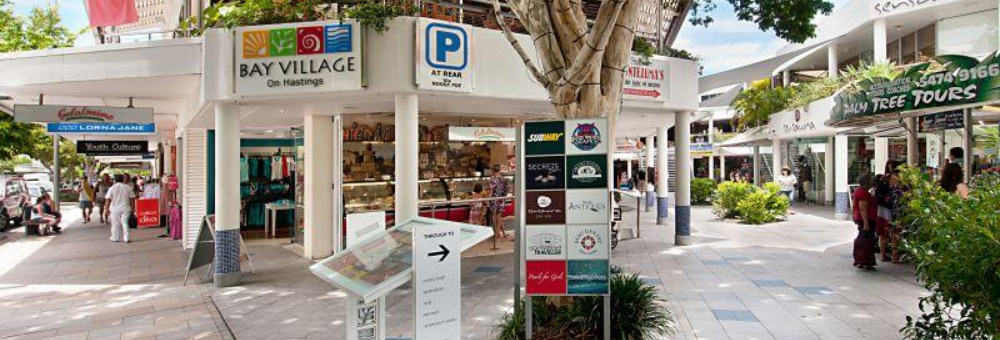
A premier Australian holiday destination renowned for its pristine beaches and year-round warm climate attracts high visitor volumes, particularly during Christmas, New Year and school holiday periods. Its vibrant strip shopping precincts are popular hubs for dining, retail and entertainment, serving both tourists and the local community.
The local council has been an early adopter of smart city initiatives for more than a decade, earning multiple innovation awards. As part of its ongoing digital transformation program, Council deployed digital street kiosks with large-format displays to promote local traders, events, attractions and visitor information across key tourism precincts.
Council needed to ensure kiosks were positioned for maximum visibility and engagement while also supporting broader precinct management. Key objectives included understanding real-time pedestrian volumes, helping traders align opening hours with peak footfall, measuring dwell times around seating and landscaped areas, optimising cleaning and amenity servicing, managing parking and traffic demand, and evaluating the impact of markets and community events.
The solution needed to be accurate, discreet, aesthetically aligned with kiosk design, powered directly from the kiosk, and operate without collecting personal data or using camera-based technology.
Building on its existing deployment of more than 30 nCounter devices, Council integrated a privacy-preserving nCounter sensor directly into the digital kiosk design. Installed within a purpose-built IP67-rated enclosure, the device is powered by the kiosk and transmits anonymised footfall and dwell data via LoRaWAN to Council’s dashboard.
Data began reporting immediately, delivering 24/7 insight into pedestrian movement and dwell behaviour. The insights now inform future kiosk placement, trader operating hours, precinct activation, transport planning and service delivery. Council also plans to share insights with local traders and the community, supporting evidence-based placemaking, economic vitality and an improved visitor experience.
A premier Australian holiday destination renowned for its pristine beaches and year-round warm climate attracts high visitor volumes, particularly during Christmas, New Year and school holiday periods. Its vibrant strip shopping precincts are popular hubs for dining, retail and entertainment, serving both tourists and the local community.
The local council has been an early adopter of smart city initiatives for more than a decade, earning multiple innovation awards. As part of its ongoing digital transformation program, Council deployed digital street kiosks with large-format displays to promote local traders, events, attractions and visitor information across key tourism precincts.
Council needed to ensure kiosks were positioned for maximum visibility and engagement while also supporting broader precinct management. Key objectives included understanding real-time pedestrian volumes, helping traders align opening hours with peak footfall, measuring dwell times around seating and landscaped areas, optimising cleaning and amenity servicing, managing parking and traffic demand, and evaluating the impact of markets and community events.
The solution needed to be accurate, discreet, aesthetically aligned with kiosk design, powered directly from the kiosk, and operate without collecting personal data or using camera-based technology.
Building on its existing deployment of more than 30 nCounter devices, Council integrated a privacy-preserving nCounter sensor directly into the digital kiosk design. Installed within a purpose-built IP67-rated enclosure, the device is powered by the kiosk and transmits anonymised footfall and dwell data via LoRaWAN to Council’s dashboard.
Data began reporting immediately, delivering 24/7 insight into pedestrian movement and dwell behaviour. The insights now inform future kiosk placement, trader operating hours, precinct activation, transport planning and service delivery. Council also plans to share insights with local traders and the community, supporting evidence-based placemaking, economic vitality and an improved visitor experience.
A premier Australian holiday destination renowned for its pristine beaches and year-round warm climate attracts high visitor volumes, particularly during Christmas, New Year and school holiday periods. Its vibrant strip shopping precincts are popular hubs for dining, retail and entertainment, serving both tourists and the local community.
The local council has been an early adopter of smart city initiatives for more than a decade, earning multiple innovation awards. As part of its ongoing digital transformation program, Council deployed digital street kiosks with large-format displays to promote local traders, events, attractions and visitor information across key tourism precincts.
Council needed to ensure kiosks were positioned for maximum visibility and engagement while also supporting broader precinct management. Key objectives included understanding real-time pedestrian volumes, helping traders align opening hours with peak footfall, measuring dwell times around seating and landscaped areas, optimising cleaning and amenity servicing, managing parking and traffic demand, and evaluating the impact of markets and community events.
The solution needed to be accurate, discreet, aesthetically aligned with kiosk design, powered directly from the kiosk, and operate without collecting personal data or using camera-based technology.
Building on its existing deployment of more than 30 nCounter devices, Council integrated a privacy-preserving nCounter sensor directly into the digital kiosk design. Installed within a purpose-built IP67-rated enclosure, the device is powered by the kiosk and transmits anonymised footfall and dwell data via LoRaWAN to Council’s dashboard.
Data began reporting immediately, delivering 24/7 insight into pedestrian movement and dwell behaviour. The insights now inform future kiosk placement, trader operating hours, precinct activation, transport planning and service delivery. Council also plans to share insights with local traders and the community, supporting evidence-based placemaking, economic vitality and an improved visitor experience.