



Explore how our innovative solutions have empowered the below businesses
worldwide to achieve their ambitious goals.
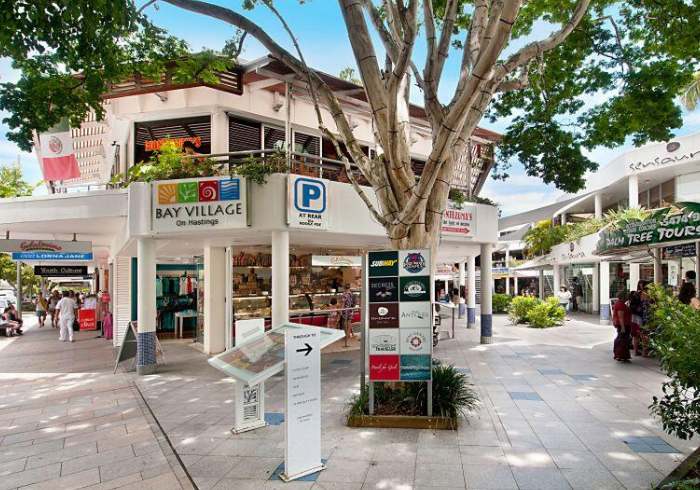
By tracking how people moved and where they stopped, this council improved how the precinct was managed.
Find out how →
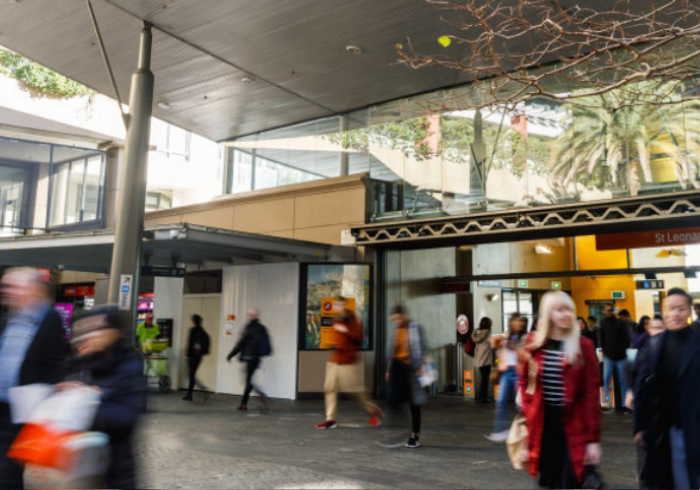
With pedestrians, cyclists, buses and cars all competing for space, this major transport authority needed a clearer picture of what was happening day to day.
Read the full story →

Event peaks, quiet periods, and seasonal changes made this busy precinct hard to manage until long-term dwell time data filled the gaps.
Read the full story →

Rapid growth left staff guessing which shared spaces were busiest, leading to missed opportunities and maintenance needs until real-time usage data was introduced.
Find out how →
Explore how our innovative solutions have empowered the below businesses
worldwide to achieve their ambitious goals.
By tracking how people moved and where they stopped, this council improved how the precinct was managed.
Find out how →
With pedestrians, cyclists, buses and cars all competing for space, this major transport authority needed a clearer picture of what was happening day to day
Read the full story →
Event peaks, quiet periods, and seasonal changes made this busy precinct hard to manage until long-term dwell time data filled the gaps
Check out the impactful change →
Rapid growth left staff guessing which shared spaces were busiest, leading to missed opportunities and maintenance needs until real-time usage data was introduced.
See what changed →
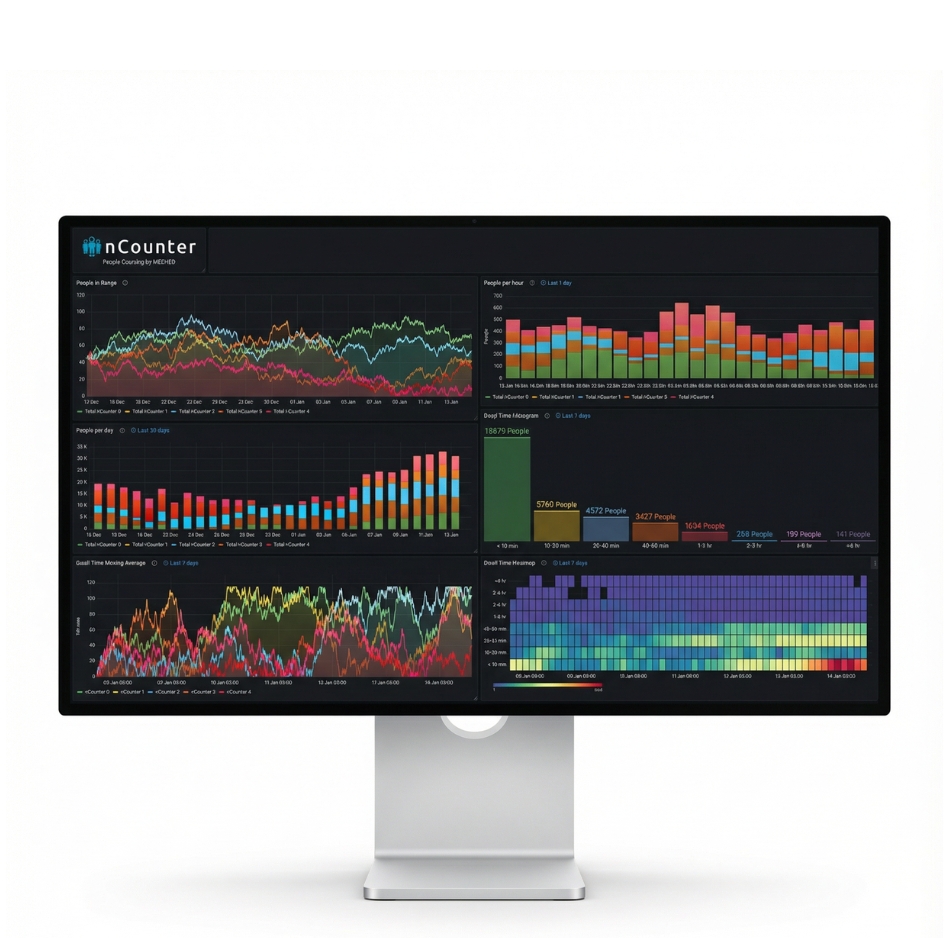
By tracking how people moved and where they stopped, this council improved how the precinct was managed.
Find out how →
With pedestrians, cyclists, buses and cars all competing for space, this major transport authority needed a clearer picture of what was happening day to day.
Read the full story →
Event peaks, quiet periods, and seasonal changes made this busy precinct hard to manage until long-term dwell time data filled the gaps.
Read the full story →
Rapid growth left staff guessing which shared spaces were busiest, leading to missed opportunities and maintenance needs until real-time usage data was introduced.
Find out how →
LoRaWAN is a registered trademark of the LoRa Alliance. All other trademarks are the property of their respective owners.

A leading property development company of high-end retirement and resort living, land lease communities, build to rent, student housing, residential management and specialist disability accommodation has had significant growth over the past 3 years. As a leader in innovation in quality lifestyle accommodation, this real estate management group have invested in state-of-the-art building management and energy and water sustainability solutions resulting in several industry excellence urban development, master builders and construction awards.
The Group prides itself on the delivery and ongoing management of quality accommodation and is responsible for the customer experience and comfort of its residents and workers.
With the challenge of managing a fast-expanding customer base and managing expectations of quality living environments, the Group were seeking to get granular data on the motion, occupancy and dwell times of utilisation of the shared spaces across their retirement and resort living spaces. With an extensive list of shared spaces including cafes and bars, cinemas, pool areas, reception areas, dining rooms, lounge areas, recreation rooms kitchens and gyms they were seeking a low cost but effective sensing solution that could provide accurate data to a centralised building management dashboard.
The Group chose to commission Meshed to provide nCounter people counting devices as well as motion and indoor air quality sensors across two major properties. The ease of installing an indoor gateway at each of the facilities providing deep penetration into all the shared spaces, enabled a fast implementation in days with the data immediately reporting to the Meshed cloud hosted dashboard. The customer used the flexible features of the Grafana based dashboard to set up alerts as well as customise the dashboard panel for each of the shared spaces.
With real time data now available the organisation has realised significant maintenance savings of up to 20% with a solid understanding of which parts of the complexes and resorts were being most utilised and ensuring allocation of resources and staffing to support resident needs were more closely aligned to their patterns and behaviours over the day.
A leading property development company of high-end retirement and resort living, land lease communities, build to rent, student housing, residential management and specialist disability accommodation has had significant growth over the past 3 years. As a leader in innovation in quality lifestyle accommodation, this real estate management group have invested in state-of-the-art building management and energy and water sustainability solutions resulting in several industry excellence urban development, master builders and construction awards.
The Group prides itself on the delivery and ongoing management of quality accommodation and is responsible for the customer experience and comfort of its residents and workers.
With the challenge of managing a fast-expanding customer base and managing expectations of quality living environments, the Group were seeking to get granular data on the motion, occupancy and dwell times of utilisation of the shared spaces across their retirement and resort living spaces. With an extensive list of shared spaces including cafes and bars, cinemas, pool areas, reception areas, dining rooms, lounge areas, recreation rooms kitchens and gyms they were seeking a low cost but effective sensing solution that could provide accurate data to a centralised building management dashboard.
The Group chose to commission Meshed to provide nCounter people counting devices as well as motion and indoor air quality sensors across two major properties. The ease of installing an indoor gateway at each of the facilities providing deep penetration into all the shared spaces, enabled a fast implementation in days with the data immediately reporting to the Meshed cloud hosted dashboard. The customer used the flexible features of the Grafana based dashboard to set up alerts as well as customise the dashboard panel for each of the shared spaces.
With real time data now available the organisation has realised significant maintenance savings of up to 20% with a solid understanding of which parts of the complexes and resorts were being most utilised and ensuring allocation of resources and staffing to support resident needs were more closely aligned to their patterns and behaviours over the day.
A leading property development company of high-end retirement and resort living, land lease communities, build to rent, student housing, residential management and specialist disability accommodation has had significant growth over the past 3 years. As a leader in innovation in quality lifestyle accommodation, this real estate management group have invested in state-of-the-art building management and energy and water sustainability solutions resulting in several industry excellence urban development, master builders and construction awards.
The Group prides itself on the delivery and ongoing management of quality accommodation and is responsible for the customer experience and comfort of its residents and workers.
With the challenge of managing a fast-expanding customer base and managing expectations of quality living environments, the Group were seeking to get granular data on the motion, occupancy and dwell times of utilisation of the shared spaces across their retirement and resort living spaces. With an extensive list of shared spaces including cafes and bars, cinemas, pool areas, reception areas, dining rooms, lounge areas, recreation rooms kitchens and gyms they were seeking a low cost but effective sensing solution that could provide accurate data to a centralised building management dashboard.
The Group chose to commission Meshed to provide nCounter people counting devices as well as motion and indoor air quality sensors across two major properties. The ease of installing an indoor gateway at each of the facilities providing deep penetration into all the shared spaces, enabled a fast implementation in days with the data immediately reporting to the Meshed cloud hosted dashboard. The customer used the flexible features of the Grafana based dashboard to set up alerts as well as customise the dashboard panel for each of the shared spaces.
With real time data now available the organisation has realised significant maintenance savings of up to 20% with a solid understanding of which parts of the complexes and resorts were being most utilised and ensuring allocation of resources and staffing to support resident needs were more closely aligned to their patterns and behaviours over the day.

A major riverside entertainment and retail precinct located minutes from the CBD of a large Australian capital city attracts a diverse mix of locals, tourists, commuters and eventgoers throughout the year. Designed as an eclectic destination with dozens of traders, food venues and live entertainment, the precinct operates across extended hours and supports adjacent ferry services, shared pedestrian and cycling paths, and nearby residential communities.
Managing a precinct of this scale required accurate, long-term insight into how people moved through and used the space—across peak events, seasonal variations and quieter non-trading periods. Precinct operators and the state development authority needed reliable data to support operational planning, maintenance scheduling, event management and future investment decisions, without relying on manual counting, expensive infrastructure or privacy-sensitive technologies.
A privacy-first, LoRaWAN-based people counting solution was deployed across the precinct and surrounding riverfront areas. Low-cost sensors were installed on buildings and light poles using a mix of mains and solar power. The solution delivered fully anonymised, aggregated footfall and dwell-time data to a secure, cloud-hosted dashboard, operating continuously with minimal infrastructure and no impact on customer privacy.
Over multiple years of operation, the solution has provided 24/7 insight into visitor volumes, movement patterns and space utilisation. These insights have supported smarter event planning, improved maintenance efficiency and informed long-term precinct planning. The data has helped guide decisions around future residential development, hospitality expansion, transport access upgrades and broader precinct revitalisation initiatives.
Evidence-based decision-making, reduced operational uncertainty and a scalable, privacy-safe approach to understanding how people use complex public spaces.
A major riverside entertainment and retail precinct located minutes from the CBD of a large Australian capital city attracts a diverse mix of locals, tourists, commuters and eventgoers throughout the year. Designed as an eclectic destination with dozens of traders, food venues and live entertainment, the precinct operates across extended hours and supports adjacent ferry services, shared pedestrian and cycling paths, and nearby residential communities.
Managing a precinct of this scale required accurate, long-term insight into how people moved through and used the space—across peak events, seasonal variations and quieter non-trading periods. Precinct operators and the state development authority needed reliable data to support operational planning, maintenance scheduling, event management and future investment decisions, without relying on manual counting, expensive infrastructure or privacy-sensitive technologies.
A privacy-first, LoRaWAN-based people counting solution was deployed across the precinct and surrounding riverfront areas. Low-cost sensors were installed on buildings and light poles using a mix of mains and solar power. The solution delivered fully anonymised, aggregated footfall and dwell-time data to a secure, cloud-hosted dashboard, operating continuously with minimal infrastructure and no impact on customer privacy.
Over multiple years of operation, the solution has provided 24/7 insight into visitor volumes, movement patterns and space utilisation. These insights have supported smarter event planning, improved maintenance efficiency and informed long-term precinct planning. The data has helped guide decisions around future residential development, hospitality expansion, transport access upgrades and broader precinct revitalisation initiatives.
Evidence-based decision-making, reduced operational uncertainty and a scalable, privacy-safe approach to understanding how people use complex public spaces.
A major riverside entertainment and retail precinct located minutes from the CBD of a large Australian capital city attracts a diverse mix of locals, tourists, commuters and eventgoers throughout the year. Designed as an eclectic destination with dozens of traders, food venues and live entertainment, the precinct operates across extended hours and supports adjacent ferry services, shared pedestrian and cycling paths, and nearby residential communities.
Managing a precinct of this scale required accurate, long-term insight into how people moved through and used the space—across peak events, seasonal variations and quieter non-trading periods. Precinct operators and the state development authority needed reliable data to support operational planning, maintenance scheduling, event management and future investment decisions, without relying on manual counting, expensive infrastructure or privacy-sensitive technologies.
A privacy-first, LoRaWAN-based people counting solution was deployed across the precinct and surrounding riverfront areas. Low-cost sensors were installed on buildings and light poles using a mix of mains and solar power. The solution delivered fully anonymised, aggregated footfall and dwell-time data to a secure, cloud-hosted dashboard, operating continuously with minimal infrastructure and no impact on customer privacy.
Over multiple years of operation, the solution has provided 24/7 insight into visitor volumes, movement patterns and space utilisation. These insights have supported smarter event planning, improved maintenance efficiency and informed long-term precinct planning. The data has helped guide decisions around future residential development, hospitality expansion, transport access upgrades and broader precinct revitalisation initiatives.
Evidence-based decision-making, reduced operational uncertainty and a scalable, privacy-safe approach to understanding how people use complex public spaces.

A major transport authority, working in partnership with a metropolitan council, launched a pilot program to better understand how people and vehicles move through a high-activity transport precinct. The area included a major railway station, surrounding footpaths and cycling routes, bus stops, taxi and loading zones, on-street parking (including accessible bays), and adjacent hospital, education and parkland precincts.
The project aimed to collect accurate, real-time data over a six-month period to inform more effective planning and management of highly contested kerbside and public realm assets.
Urban transport precincts face growing pressure from competing demands across pedestrians, cyclists, public transport, private vehicles and service providers. Without reliable, continuous utilisation data, it is difficult for transport planners to allocate space equitably, improve safety outcomes and optimise network performance across different times of day and peak periods. Traditional surveys and manual counts provided only limited snapshots and were insufficient for long-term, evidence-based planning.
The transport authority engaged Meshed to deploy more than 100 IoT sensors across the precinct, including nCounter people counting devices, smart parking sensors and urban heat monitors. nCounters were installed at station entrances and exits, pedestrian overpasses, footpaths and bus stops, delivering continuous, fully anonymised pedestrian movement and dwell data via LoRaWAN.
The project delivered a clear, real-time understanding of how the precinct was used, supporting improved kerbside allocation, safer pedestrian and cyclist movement, better transport network performance and data-driven planning that enhanced accessibility, inclusion and economic activity across the precinct.
A major transport authority, working in partnership with a metropolitan council, launched a pilot program to better understand how people and vehicles move through a high-activity transport precinct. The area included a major railway station, surrounding footpaths and cycling routes, bus stops, taxi and loading zones, on-street parking (including accessible bays), and adjacent hospital, education and parkland precincts.
The project aimed to collect accurate, real-time data over a six-month period to inform more effective planning and management of highly contested kerbside and public realm assets.
Urban transport precincts face growing pressure from competing demands across pedestrians, cyclists, public transport, private vehicles and service providers. Without reliable, continuous utilisation data, it is difficult for transport planners to allocate space equitably, improve safety outcomes and optimise network performance across different times of day and peak periods. Traditional surveys and manual counts provided only limited snapshots and were insufficient for long-term, evidence-based planning.
The transport authority engaged Meshed to deploy more than 100 IoT sensors across the precinct, including nCounter people counting devices, smart parking sensors and urban heat monitors. nCounters were installed at station entrances and exits, pedestrian overpasses, footpaths and bus stops, delivering continuous, fully anonymised pedestrian movement and dwell data via LoRaWAN.
The project delivered a clear, real-time understanding of how the precinct was used, supporting improved kerbside allocation, safer pedestrian and cyclist movement, better transport network performance and data-driven planning that enhanced accessibility, inclusion and economic activity across the precinct.
A major transport authority, working in partnership with a metropolitan council, launched a pilot program to better understand how people and vehicles move through a high-activity transport precinct. The area included a major railway station, surrounding footpaths and cycling routes, bus stops, taxi and loading zones, on-street parking (including accessible bays), and adjacent hospital, education and parkland precincts.
The project aimed to collect accurate, real-time data over a six-month period to inform more effective planning and management of highly contested kerbside and public realm assets.
Urban transport precincts face growing pressure from competing demands across pedestrians, cyclists, public transport, private vehicles and service providers. Without reliable, continuous utilisation data, it is difficult for transport planners to allocate space equitably, improve safety outcomes and optimise network performance across different times of day and peak periods. Traditional surveys and manual counts provided only limited snapshots and were insufficient for long-term, evidence-based planning.
The transport authority engaged Meshed to deploy more than 100 IoT sensors across the precinct, including nCounter people counting devices, smart parking sensors and urban heat monitors. nCounters were installed at station entrances and exits, pedestrian overpasses, footpaths and bus stops, delivering continuous, fully anonymised pedestrian movement and dwell data via LoRaWAN.
The project delivered a clear, real-time understanding of how the precinct was used, supporting improved kerbside allocation, safer pedestrian and cyclist movement, better transport network performance and data-driven planning that enhanced accessibility, inclusion and economic activity across the precinct.
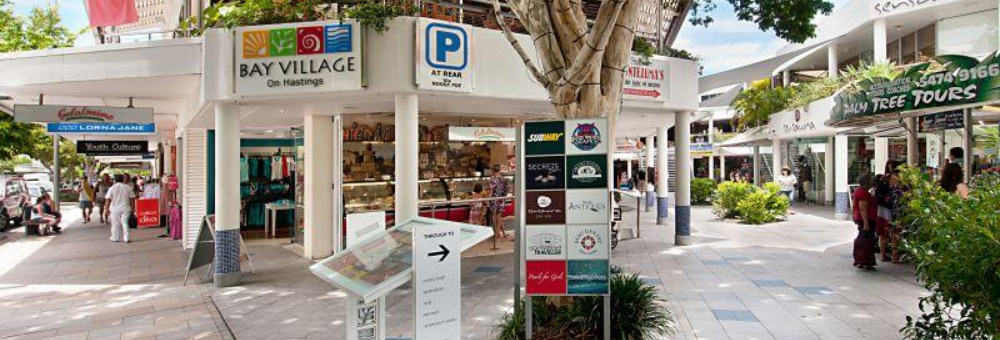
A premier Australian holiday destination renowned for its pristine beaches and year-round warm climate attracts high visitor volumes, particularly during Christmas, New Year and school holiday periods. Its vibrant strip shopping precincts are popular hubs for dining, retail and entertainment, serving both tourists and the local community.
The local council has been an early adopter of smart city initiatives for more than a decade, earning multiple innovation awards. As part of its ongoing digital transformation program, Council deployed digital street kiosks with large-format displays to promote local traders, events, attractions and visitor information across key tourism precincts.
Council needed to ensure kiosks were positioned for maximum visibility and engagement while also supporting broader precinct management. Key objectives included understanding real-time pedestrian volumes, helping traders align opening hours with peak footfall, measuring dwell times around seating and landscaped areas, optimising cleaning and amenity servicing, managing parking and traffic demand, and evaluating the impact of markets and community events.
The solution needed to be accurate, discreet, aesthetically aligned with kiosk design, powered directly from the kiosk, and operate without collecting personal data or using camera-based technology.
Building on its existing deployment of more than 30 nCounter devices, Council integrated a privacy-preserving nCounter sensor directly into the digital kiosk design. Installed within a purpose-built IP67-rated enclosure, the device is powered by the kiosk and transmits anonymised footfall and dwell data via LoRaWAN to Council’s dashboard.
Data began reporting immediately, delivering 24/7 insight into pedestrian movement and dwell behaviour. The insights now inform future kiosk placement, trader operating hours, precinct activation, transport planning and service delivery. Council also plans to share insights with local traders and the community, supporting evidence-based placemaking, economic vitality and an improved visitor experience.
A premier Australian holiday destination renowned for its pristine beaches and year-round warm climate attracts high visitor volumes, particularly during Christmas, New Year and school holiday periods. Its vibrant strip shopping precincts are popular hubs for dining, retail and entertainment, serving both tourists and the local community.
The local council has been an early adopter of smart city initiatives for more than a decade, earning multiple innovation awards. As part of its ongoing digital transformation program, Council deployed digital street kiosks with large-format displays to promote local traders, events, attractions and visitor information across key tourism precincts.
Council needed to ensure kiosks were positioned for maximum visibility and engagement while also supporting broader precinct management. Key objectives included understanding real-time pedestrian volumes, helping traders align opening hours with peak footfall, measuring dwell times around seating and landscaped areas, optimising cleaning and amenity servicing, managing parking and traffic demand, and evaluating the impact of markets and community events.
The solution needed to be accurate, discreet, aesthetically aligned with kiosk design, powered directly from the kiosk, and operate without collecting personal data or using camera-based technology.
Building on its existing deployment of more than 30 nCounter devices, Council integrated a privacy-preserving nCounter sensor directly into the digital kiosk design. Installed within a purpose-built IP67-rated enclosure, the device is powered by the kiosk and transmits anonymised footfall and dwell data via LoRaWAN to Council’s dashboard.
Data began reporting immediately, delivering 24/7 insight into pedestrian movement and dwell behaviour. The insights now inform future kiosk placement, trader operating hours, precinct activation, transport planning and service delivery. Council also plans to share insights with local traders and the community, supporting evidence-based placemaking, economic vitality and an improved visitor experience.
A premier Australian holiday destination renowned for its pristine beaches and year-round warm climate attracts high visitor volumes, particularly during Christmas, New Year and school holiday periods. Its vibrant strip shopping precincts are popular hubs for dining, retail and entertainment, serving both tourists and the local community.
The local council has been an early adopter of smart city initiatives for more than a decade, earning multiple innovation awards. As part of its ongoing digital transformation program, Council deployed digital street kiosks with large-format displays to promote local traders, events, attractions and visitor information across key tourism precincts.
Council needed to ensure kiosks were positioned for maximum visibility and engagement while also supporting broader precinct management. Key objectives included understanding real-time pedestrian volumes, helping traders align opening hours with peak footfall, measuring dwell times around seating and landscaped areas, optimising cleaning and amenity servicing, managing parking and traffic demand, and evaluating the impact of markets and community events.
The solution needed to be accurate, discreet, aesthetically aligned with kiosk design, powered directly from the kiosk, and operate without collecting personal data or using camera-based technology.
Building on its existing deployment of more than 30 nCounter devices, Council integrated a privacy-preserving nCounter sensor directly into the digital kiosk design. Installed within a purpose-built IP67-rated enclosure, the device is powered by the kiosk and transmits anonymised footfall and dwell data via LoRaWAN to Council’s dashboard.
Data began reporting immediately, delivering 24/7 insight into pedestrian movement and dwell behaviour. The insights now inform future kiosk placement, trader operating hours, precinct activation, transport planning and service delivery. Council also plans to share insights with local traders and the community, supporting evidence-based placemaking, economic vitality and an improved visitor experience.